
Dr Deepak Kumar Mathur
About Me
Dr Deepak Kumar Mathur
MD
Infectious disease specialists
10 Years Experience
Biography
My Clinic
OPD Hours
| Monday | Morning | 10:00 AM | - | 02:00 PM |
| Evening | 06:00 PM | - | 09:00 PM | |
| Tuesday | Morning | 10:00 AM | - | 02:00 PM |
| Evening | 06:00 PM | - | 09:00 PM | |
| Wednesday | Morning | 10:00 AM | - | 02:00 PM |
| Evening | 06:00 PM | - | 09:00 PM | |
| Thursday | Morning | 10:00 AM | - | 02:00 PM |
| Evening | 06:00 PM | - | 09:00 PM | |
| Friday | Morning | 10:00 AM | - | 02:00 PM |
| Evening | 06:00 PM | - | 09:00 PM | |
| Saturday | Morning | 10:00 AM | - | 02:00 PM |
| Evening | 06:00 PM | - | 09:00 PM | |
| Sunday | Morning | 10:00 AM | - | 02:00 PM |
| Evening | 06:00 PM | - | 09:00 PM |
Treatments
Specialised care and treatments offered
CHRONIC INFECTIOUS DISEASE MANAGEMENT
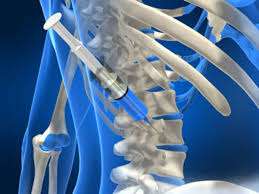
Chronic infectious diseases encompass several long-term ailments caused by pathogens impacting various organ systems. Continuous management becomes vital for patients suffering from these sustainable conditions involving consistent therapeutic approaches tailored uniquely based off patient needs over time!
- Symptoms experienced differ greatly depending upon specific disease types often including fatigue weight fluctuations amongst others influencing day-to-day life significantly adversely if untreated continuously !
- Diagnostic evaluations involve comprehensive assessments along clinical histories leading towards identification utilizing specialized laboratory tests ultimately determining underlying causes accurately !
- Treatment management may consist largely of antibiotic regimens vaccinations along side lifestyle adjustments advocating balance coupled physical activities enhancing resilience fighting against effects harmful pathogens bringing back quality living back into focus again !
- Supportive care such mental emotional well-being should not be overlooked fostering positive outlooks crucial remaining vigilant overcoming challenges faced moving forwards steadily gradually reclaiming control lives lost through prolongation burdensome illnesses !
Effective collaboration between healthcare providers along patients fundamentally drives positive outcomes achieved maintaining good states helps minimize relapses sustaining long-term recoveries desired results attainable overall !
FUNGAL INFECTIONS MANAGEMENT

Fungal infections can range from superficial conditions like athlete's foot to systemic issues affecting internal organs. Understanding these infections allows for better management strategies tailored towards individual needs—essential in preventing severe complications!
- Symptoms vary widely based on the type: skin lesions or rashes accompanied by itching while systemic issues may present as fever or chills depending on severity levels!
- Diagnosis often relies heavily on laboratory cultures or imaging studies revealing fungal presence in affected areas!
- Treating fungal diseases commonly involves antifungal medications taken orally or applied topically according effectiveness hence ongoing adherence will yield better results!
- Patients should also focus on maximizing their overall health through proper hygiene practices dietary choices!
- Regular follow-ups remain important particularly if aiming at chronic management ensuring prompt action against recurrences!
Most fungal infections respond well when detected early aiding full recovery outcomes achievable with time patience & consistency involved throughout treatments phases!
LYME DISEASE TREATMENT

Lyme disease is caused by bacteria transmitted through tick bites. Early recognition of symptoms is vital for successful treatment; delayed intervention may lead to more serious complications related to joint or neurological issues later on.
- The initial symptoms, often resembling flu-like conditions include fever, headache, fatigue, and characteristic rash known as erythema migrans.
- A thorough history of potential tick exposure combined with clinical evaluation aids in diagnosing Lyme disease effectively. Laboratory testing may also assist if needed.
- Treatment usually involves antibiotic courses which are very effective when initiated early; prolonged therapy might be necessary for advanced cases due to lingering symptoms after initial treatment courses finish!
- Adequate rest along with anti-inflammatory treatments can help alleviate discomfort during recovery periods as well!
Prompt intervention leads to high rates of successful outcomes without lasting effects!
VIRAL HEPATITIS MANAGEMENT

Viral hepatitis encompasses several infections that cause inflammation of the liver. Common types include Hepatitis A, B, C, D, and E—each differing in transmission routes and severity of illness.
- The most common symptoms are jaundice (yellowing of skin), fatigue, abdominal discomfort, and dark urine.
- A diagnosis typically involves blood tests that identify specific viral markers associated with hepatitis infections.
- Treatment options vary; some may require antiviral medications while others focus on supportive care like hydration and rest. Vaccines are available for some types as well!
- Lifestyle modifications such as avoiding alcohol and eating a balanced diet will aid in recovery and improve liver health significantly.
- Regular follow-up with lab work is recommended to monitor liver function during recovery or chronic management.
The majority of hepatitis cases are manageable with effective treatments available today!
TUBERCULOSIS (TB) TREATMENT

Tuberculosis (TB) is a bacterial infection primarily affecting the lungs but can spread to other parts of the body. It spreads through airborne particles when an infected person coughs or sneezes.
- Common symptoms include a persistent cough, weight loss, night sweats, and chest pain.
- Diagnosis usually involves chest X-rays and sputum tests to identify the bacteria responsible for TB.
- Treatment often consists of a course of antibiotics taken over several months; adherence to this regimen is crucial for effective management.
- Pats may experience side effects from medication, thus regular monitoring by healthcare professionals is essential during treatment.
- A preventive approach includes vaccination and public health measures to reduce transmission rates within communities.
With appropriate treatment, TB can be effectively controlled, allowing patients to regain their health fully.
HIV/AIDS MANAGEMENT

HIV/AIDS is a chronic condition that affects the immune system, caused by the human immunodeficiency virus (HIV). If left untreated, HIV can lead to acquired immunodeficiency syndrome (AIDS), which severely weakens the body's ability to fight infections.
- Symptoms of HIV include fever, fatigue, swollen lymph nodes, and recurrent infections. Early detection is critical.
- Diagnosis typically involves blood tests that detect antibodies or antigens associated with HIV.
- Treatment focuses on antiretroviral therapy (ART) that helps manage the infection and maintain immune function.
- Patients should also engage in regular health check-ups and monitoring to manage potential complications and ensure effective treatment.
- Living with HIV requires adopting a healthy lifestyle, including proper nutrition, exercise, and mental health support.
With consistent treatment and care, individuals can lead long and healthy lives while managing HIV effectively.