
Dr Deepak Kumar S
About Me
Dr Deepak Kumar S
MD
Oncologist
10 Years Experience
Biography
My Clinic
OPD Hours
| Monday | Morning | 10:00 AM | - | 02:00 PM |
| Evening | 06:00 PM | - | 09:00 PM | |
| Tuesday | Morning | 10:00 AM | - | 02:00 PM |
| Evening | 06:00 PM | - | 09:00 PM | |
| Wednesday | Morning | 10:00 AM | - | 02:00 PM |
| Evening | 06:00 PM | - | 09:00 PM | |
| Thursday | Morning | 10:00 AM | - | 02:00 PM |
| Evening | 06:00 PM | - | 09:00 PM | |
| Friday | Morning | 10:00 AM | - | 02:00 PM |
| Evening | 06:00 PM | - | 09:00 PM | |
| Saturday | Morning | 10:00 AM | - | 02:00 PM |
| Evening | 06:00 PM | - | 09:00 PM | |
| Sunday | Morning | 10:00 AM | - | 02:00 PM |
| Evening | 06:00 PM | - | 09:00 PM |
Treatments
Specialised care and treatments offered
PALLIATIVE CARE
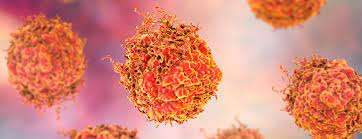
Palliative care focuses on enhancing quality of life for patients facing serious illnesses like cancer. It aims to relieve symptoms without necessarily curative intent.
Common Symptoms: Your healthcare provider will assist in managing pain, fatigue, anxiety, and other distressing symptoms associated with disease progression. < !--Ensure clarity--> -------!----->>>|}} -HORMONE THERAPY
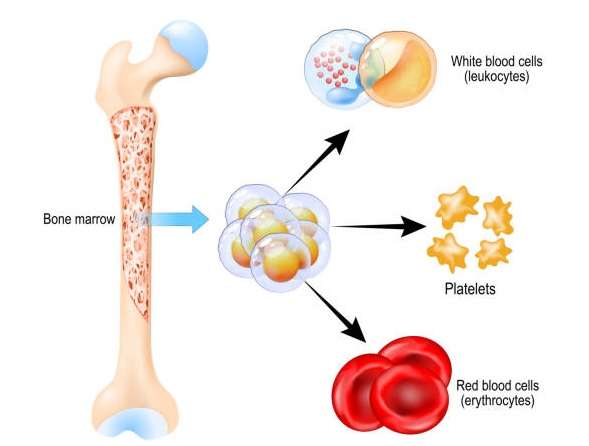
A critical component in managing hormone-sensitive cancers such as breast or prostate cancer. Hormone therapy works by altering hormone levels in the body that fuel certain tumors' growth patterns.
- Symptoms: Potential side effects may include hot flashes and mood swings; however, many patients tolerate this form of management well.
- Diagnosis: Hormonal assays along with imaging studies assist oncologists in determining if hormone therapy is suitable for specific cases.
- Treatment Options: Treatments may involve medications that block hormone production or disrupt their action within the body.
- Management: Regular follow-ups help assess effectiveness while addressing any emerging concerns regarding side effects promptly.
Hormone therapy aims not only at reducing tumor sizes but also improving overall survival rates among affected individuals across diverse populations.
IMMUNOTHERAPY

An exciting area in oncology, immunotherapy leverages the body's immune system to fight against cancer. This helps in recognizing and targeting malignant cells more effectively than conventional treatments alone.
- Symptoms: While some patients might experience flu-like symptoms or skin reactions initially, these are generally manageable.
- Diagnosis: Oncologists utilize comprehensive tests including biomarkers to tailor immunotherapy approaches suited for each patient's unique condition.
- Treatment Options: Various forms exist like checkpoint inhibitors and CAR T-cell therapy that enhance immune response against specific cancers.
- Management: Continuous monitoring ensures optimal responses while managing any potential side effects effectively.
This holistic treatment approach opens new avenues in fighting previously hard-to-treat malignancies, transforming patient care significantly in recent years.
RADIATION THERAPY
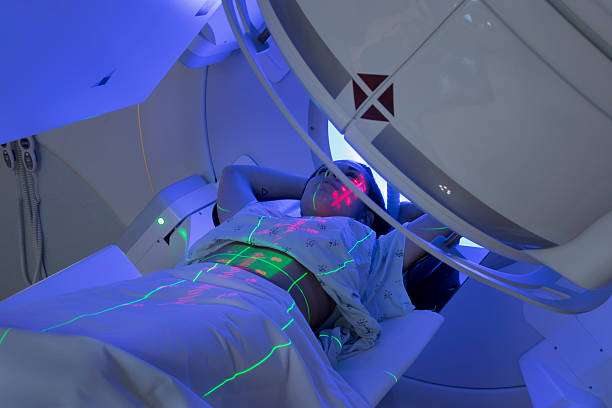
A fundamental approach in oncology, radiation therapy uses high-energy rays to destroy or damage malignant cells. It’s often incorporated into a comprehensive treatment plan alongside other modalities.
- Symptoms: Side effects can vary based on treatment location but often include skin irritation and fatigue during sessions.
- Diagnosis: Imaging technologies such as CT scans help in planning precise radiation delivery while assessing tumor characteristics.
- Treatment Options: Different forms exist including external beam radiation and brachytherapy, selected based on specific cancer types and stages.
- Management:The oncologist will guide through supportive measures that alleviate discomfort during therapy sessions.
This targeted application aims not only at treating existing cancers but also at reducing recurrence risk, enhancing patient outcomes significantly over time.
TARGETED THERAPY
This innovative approach focuses on precisely identifying and targeting specific molecules involved in cancer growth. Targeted therapy offers a more personalized treatment option compared to traditional methods.
- Symptoms: Often, treatments can lead to fewer side effects than chemotherapy while effectively addressing malignant cells.
- Diagnosis: Genetic testing or biomarker assessments help determine the suitability of targeted therapies for individual cases.
- Treatment Options: Several categories include monoclonal antibodies and small molecule inhibitors designed to disrupt cancer cell signals.
- Management: Regular monitoring is essential to evaluate effectiveness and make necessary adjustments.
- Expectations: Patients may experience improved outcomes with minimized adverse effects due to the precision of targeted therapies.
This type of treatment requires collaboration between healthcare teams for optimal results throughout the patient's journey.
CHEMOTHERAPY
Chemotherapy is a widely used treatment for various types of cancer. It involves the use of powerful medications to target and eliminate cancer cells from the body.
- Symptoms: Patients may experience fatigue, nausea, hair loss, and susceptibility to infections during treatment.
- Diagnosis: Oncologists assess the extent of cancer through imaging tests, biopsies, and blood tests before initiating chemotherapy.
- Treatment Options: Options may include intravenous (IV) drugs or oral medications, often tailored to individual patient needs.
- Management: Supportive care such as anti-nausea medication and lifestyle modifications are crucial in managing side effects.
- Expectations: Regular follow-ups will be necessary to monitor progress and adjust treatment plans accordingly.
The goal of chemotherapy is to shrink tumors and prevent cancer spread while improving quality of life for patients.