
Dr Deepak Maheshw
About Me
Dr Deepak Maheshw
MD
Cardiologist
10 Years Experience
Biography
My Clinic
OPD Hours
| Monday | Morning | 10:00 AM | - | 02:00 PM |
| Evening | 06:00 PM | - | 09:00 PM | |
| Tuesday | Morning | 10:00 AM | - | 02:00 PM |
| Evening | 06:00 PM | - | 09:00 PM | |
| Wednesday | Morning | 10:00 AM | - | 02:00 PM |
| Evening | 06:00 PM | - | 09:00 PM | |
| Thursday | Morning | 10:00 AM | - | 02:00 PM |
| Evening | 06:00 PM | - | 09:00 PM | |
| Friday | Morning | 10:00 AM | - | 02:00 PM |
| Evening | 06:00 PM | - | 09:00 PM | |
| Saturday | Morning | 10:00 AM | - | 02:00 PM |
| Evening | 06:00 PM | - | 09:00 PM | |
| Sunday | Morning | 10:00 AM | - | 02:00 PM |
| Evening | 06:00 PM | - | 09:00 PM |
Treatments
Specialised care and treatments offered
PERIPHERAL ARTERY DISEASE (PAD) TREATMENT

This condition involves narrowing of peripheral arteries limiting blood flow primarily to legs causing pain during walking. Effective treatment aims at improving circulation and preventing complications like ulcers or gangrene.
- Symptoms & underlying factors: Leg cramps during activity (claudication), cold limbs sensation often linked with smoking diabetes hypertension among common contributors
- Diagnosis process employed: Physical exam supplemented by Ankle-Brachial Index measurement assesses arterial blockage severity non-invasively
- Management options available: Smoking cessation alongside supervised walking programs enhance vascular health medications improve blood flow sometimes surgical interventions needed if severe blockages exist
- Outlook & patient advice: With early diagnosis followed by consistent therapy PAD sufferers commonly regain mobility preventing limb-threatening complications
Patients experiencing leg discomfort should seek prompt evaluation given treatability improves substantially with timely intervention
CHOLESTEROL MANAGEMENT
Lipid disorders characterized by elevated cholesterol increase the risk for plaque buildup inside arteries. Controlling cholesterol levels plays a pivotal role in cardiovascular disease prevention strategies.
- Causation & indication signs: Poor diet high in saturated fats along with genetic factors contribute; typically asymptomatic until complications arise from arterial blockages.
- Evolving diagnosis criteria: Blood tests measuring LDL ('bad') cholesterol, HDL ('good') cholesterol, triglycerides guide assessment intensity needed for treatment initiation.
- Therapeutic options offered: Emphasis on dietary modifications including reduced fat intake combined with regular exercise; statin drugs widely prescribed when lifestyle alone insufficient;
ARRHYTHMIA DIAGNOSIS AND MANAGEMENT
An arrhythmia refers to an irregular heartbeat pattern that can range from harmless palpitations to dangerous rhythm disturbances requiring urgent care. Proper diagnosis is essential for effective treatment planning.
- Main causes & symptoms: Can arise due to heart tissue damage or electrolyte imbalances; patients may experience fluttering sensations, dizziness, or fainting spells.
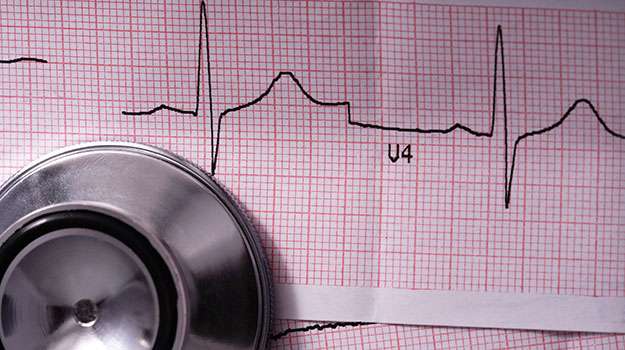
- Diagnostic tools used: Electrocardiograms (ECG), Holter monitoring over 24-48 hours, or event recorders help capture abnormal rhythms as they occur.
- Treatment methods available: Depending on type/severity: lifestyle changes avoiding triggers; medications such as beta blockers; procedures like catheter ablation or pacemaker implantation for complex cases.
- User expectations & prognosis: Most arrhythmias can be controlled successfully allowing normal activity levels with routine medical follow-up required for relapse prevention.
The goal is symptom relief combined with reduction in complications such as stroke through personalized therapy plans.
HEART FAILURE CARE
Heart failure occurs when the heart cannot pump blood effectively to meet the body’s needs. It requires ongoing care to manage symptoms and improve function.
- Causative factors and symptoms: Common causes include coronary artery disease and high blood pressure; symptoms often involve breathlessness, swelling in legs, fatigue, and fluid retention.
- Diagnostic process: Includes physical exams, chest X-rays, echocardiograms to evaluate heart structure and ejection fraction.
- Treatment approaches: Medications like diuretics and ACE inhibitors help reduce symptoms; lifestyle adjustments such as fluid restriction are important; advanced therapies might involve device implantation in selected patients.
- Lifestyle impact & monitoring: Regular follow-up is crucial to detect worsening signs early; dietary salt control helps prevent fluid overload episodes.
A comprehensive management plan improves survival rates while enhancing day-to-day wellbeing for those living with heart failure.
CORONARY ARTERY DISEASE (CAD) TREATMENT
Coronary artery disease results from narrowed or blocked arteries supplying the heart muscle, often leading to chest pain or heart attacks. Early intervention focuses on relieving symptoms and preventing progression.
- Causes and presentation: Caused mainly by atherosclerosis, it may present as angina (chest discomfort), shortness of breath, or fatigue during exertion.
- How it's diagnosed: Techniques include ECG, stress testing, echocardiography, and angiography to assess artery blockage severity.
- Treatment strategies: Lifestyle changes such as diet improvements and exercise are key; medications may include statins, antiplatelets, or nitroglycerin; invasive procedures like angioplasty or bypass surgery are considered in severe cases.
- Prognosis: With proper management, many patients maintain good heart function and reduce the risk of heart attacks.
A tailored approach combining medical care with healthy habits supports long-term management of this condition.
HYPERTENSION MANAGEMENT
High blood pressure, or hypertension, is a common condition that significantly increases the risk of heart disease and stroke if left uncontrolled. Managing hypertension involves lifestyle changes and sometimes medication to maintain a healthy blood pressure level.
- Symptoms and causes: Often called the "silent killer," hypertension may not cause noticeable symptoms but can be influenced by genetics, poor diet, stress, and obesity.
- Diagnosis: Measured using a sphygmomanometer during medical visits, with readings taken over multiple occasions for accuracy.
- Treatment options: Lifestyle modifications such as reducing salt intake, exercising regularly, and quitting smoking are foundational; medications like ACE inhibitors or beta blockers may be prescribed.
- Management expectations: Regular monitoring of blood pressure is essential to adjust treatment plans; adherence reduces risks of heart attack and kidney damage.
Consistent control of hypertension through these measures greatly improves long-term cardiovascular health and quality of life.