
Dr Deepak Raja
About Me
Dr Deepak Raja
MBBS
General Physician
Biography
My Clinic
OPD Hours
| Monday | Morning | 10:00 AM | - | 02:00 PM |
| Evening | 06:00 PM | - | 09:00 PM | |
| Tuesday | Morning | 10:00 AM | - | 02:00 PM |
| Evening | 06:00 PM | - | 09:00 PM | |
| Wednesday | Morning | 10:00 AM | - | 02:00 PM |
| Evening | 06:00 PM | - | 09:00 PM | |
| Thursday | Morning | 10:00 AM | - | 02:00 PM |
| Evening | 06:00 PM | - | 09:00 PM | |
| Friday | Morning | 10:00 AM | - | 02:00 PM |
| Evening | 06:00 PM | - | 09:00 PM | |
| Saturday | Morning | 10:00 AM | - | 02:00 PM |
| Evening | 06:00 PM | - | 09:00 PM | |
| Sunday | Morning | 10:00 AM | - | 02:00 PM |
| Evening | 06:00 PM | - | 09:00 PM |
Treatments
Specialised care and treatments offered
PNEUMONIA
Pneumonia represents an infection that inflames air sacs in one or both lungs; these sacs may fill with fluid or pus leading to significant health complications if not recognized quickly. Familiarity with its signs ensures timely medical assistance!
- Main symptoms include persistent cough producing phlegm (often colored), difficulty breathing especially exertion-based tasks along with fever/chills).
- Diagnosis generally involves reviewing medical history coupled with physical examination focusing on lung sounds; chest X-rays confirm severity.)
- Treatment often consists of antibiotics for bacterial pneumonia while viral types usually entail symptomatic care (like fever reducers) until resolution occurs naturally.)
- Understanding warning signs requires vigilance: seeking help sooner enhances outcomes markedly among affected individuals!)
Recognizing pneumonia early could save lives - prioritizing respiratory health remains vital across all communities!
ACUTE BRONCHITIS

Acute bronchitis occurs when the bronchial tubes become inflamed due to infection. It usually follows a cold but can sometimes develop without any prior viral illness. Understanding this condition aids in prompt treatment decisions that enhance comfort during recovery phases!
- The primary symptom is a persistent cough which often produces mucus; other indicators may include wheezing or mild fever.)
- Diagnosis primarily relies on physical examination alongside patient history – imaging studies are rarely required unless complications are suspected.)
- Treatment typically focuses on symptomatic relief via cough suppressants or expectorants alongside maintaining optimal hydration levels.)
- Most individuals recover fully within several weeks although lingering cough may continue for longer periods.)
Early consultation helps mitigate symptoms promptly reducing risks related to secondary infections!
GASTROENTERITIS

Gastroenteritis refers to inflammation of the stomach and intestines typically caused by viral infections. This can trigger symptoms ranging from mild discomfort to severe dehydration if not managed properly. Prompt attention is important for recovery.
- The most common symptoms include diarrhea, abdominal cramps, nausea, vomiting, fever, and headache.
- A thorough history-taking followed by clinical evaluation helps confirm the diagnosis; stool tests might be warranted in some cases for specific pathogens.
- Treatment mainly focuses on hydration; in severe cases where dehydration occurs, intravenous fluids may be necessary. Anti-nausea medications can also help alleviate symptoms during recovery.
- Create a supportive environment: rest and gentle foods are advisable during recovery stages after acute symptoms ease up.
The prognosis for gastroenteritis is generally good with timely intervention; understanding hydration needs plays an essential role in recovery success rates!
ASTHMA
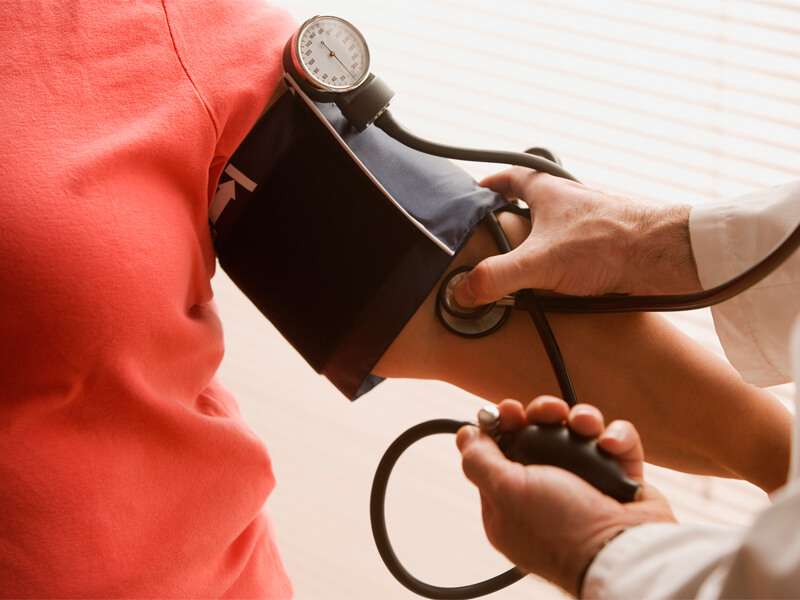
Asthma is a common respiratory condition marked by inflammation of the airways that leads to wheezing, shortness of breath, chest tightness, and coughing. Awareness of triggers can significantly improve control over symptoms.
- Asthma symptoms may flare up due to allergens, exercise, cold air, or respiratory infections.
- If asthma is suspected, a doctor will conduct breathing tests such as spirometry for accurate diagnosis.
- Treatment strategies often include inhalers containing bronchodilators or corticosteroids to manage symptoms effectively.
- A personalized action plan can help patients recognize when they need rescue medication or additional care during severe attacks.
- Regular follow-up visits contribute greatly to long-term management and improvement in overall lung function.
Pursuing informed treatment paths allows asthma patients to lead more active lives with fewer disruptions from their condition.
DIABETES MELLITUS

Diabetes mellitus is a metabolic disorder characterized by high blood sugar levels due to either insulin resistance or insufficient insulin production. Understanding this condition is crucial for effective management and prevention of complications.
- Common symptoms of diabetes include increased thirst, frequent urination, extreme fatigue, and blurred vision.
- A diagnosis typically involves measuring blood glucose levels during fasting or after meals.
- Treatment includes dietary adjustments, regular physical activity, and possibly insulin therapy or oral medications.
- Long-term management may require regular monitoring of blood sugar levels to avoid complications associated with diabetes.
- With diligent care, individuals with diabetes can maintain quality of life and minimize potential health risks.
Educating yourself about diabetes is a vital step toward effective management of the disease.
HYPERTENSION

Hypertension, commonly known as high blood pressure, is a chronic condition that can lead to serious health complications if left untreated. It often develops over many years and can go unnoticed. Regular monitoring is essential for early detection.
- Symptoms may include headaches, dizziness, chest pain, or fatigue.
- The condition is typically diagnosed through blood pressure measurements taken at different times.
- Treatment options include lifestyle changes such as improved diet and exercise, along with medications like diuretics or ACE inhibitors.
- Managing hypertension requires regular follow-up to monitor effectiveness and adjust treatments as needed.
- With appropriate management, patients can lead healthy lives and reduce risks of heart disease and stroke.
Early intervention is key in controlling hypertension, so regular check-ups are highly recommended.