
Dr Deepak sharma-
About Me
Dr Deepak sharma-
Internal Medicine
Biography
My Clinic
OPD Hours
| Monday | Morning | 10:00 AM | - | 02:00 PM |
| Evening | 06:00 PM | - | 09:00 PM | |
| Tuesday | Morning | 10:00 AM | - | 02:00 PM |
| Evening | 06:00 PM | - | 09:00 PM | |
| Wednesday | Morning | 10:00 AM | - | 02:00 PM |
| Evening | 06:00 PM | - | 09:00 PM | |
| Thursday | Morning | 10:00 AM | - | 02:00 PM |
| Evening | 06:00 PM | - | 09:00 PM | |
| Friday | Morning | 10:00 AM | - | 02:00 PM |
| Evening | 06:00 PM | - | 09:00 PM | |
| Saturday | Morning | 10:00 AM | - | 02:00 PM |
| Evening | 06:00 PM | - | 09:00 PM | |
| Sunday | Morning | 10:00 AM | - | 02:00 PM |
| Evening | 06:00 PM | - | 09:00 PM |
Treatments
Specialised care and treatments offered
GOUT
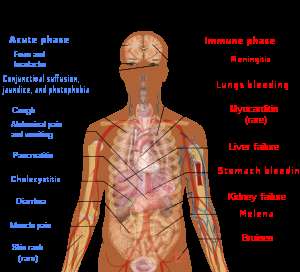
A form of inflammatory arthritis known as disease gout arises when excess uric acid crystallizes within joints causing sudden episodes of pain swelling redness tenderness creating substantial discomfort affecting movement potential severely hinder performance day-to-day activities! Understanding this ailment promotes early interventions resulting better outcomes!
- Symptoms: Classic signs arise suddenly featuring intense joint pain often concentrated around big toes wrists ankles sometimes accompanied fever chills malaise events lasting from few hours several days depending severity levels each patient experiences varying degrees respectively...
- Diagnosis: Identification primarily relies upon patient's clinical history correlating symptoms accompanying laboratory results confirming elevated serum urate concentrations thereby highlighting necessity pharmacological interventions amongst following protocols outlined prior customized therapy sessions expected enhance effectiveness optimizing shared goals together...
- Treatment Generally entails combination approaches adopting non-steroidal anti-inflammatory drugs (NSAIDs) managing acute flare-ups pursuing urate-lowering therapies educating dietary choices limiting purine-rich foods crucial improving prevention recurrences helping achieve targeted goals progress...
This collaborative effort between physicians patients yields rewarding experiences nurturing supportive environments fostering adherence while exploring alternative remedies identifying strategies potentials engaging alignments meant cultivate healthier lifestyles nurture growth paths forward all contributing minimizing adverse long-term consequences enhancing quality living ultimately accomplishing expectations collaboratively enhancing sharing journeys positively transforming everyday routines integrated care mechanisms reflecting continuance building rapport fostering trusted partnerships adhering guidance recommendations secure supportive environments promoting healing always...
CHRONIC OBSTRUCTIVE PULMONARY DISEASE (COPD)
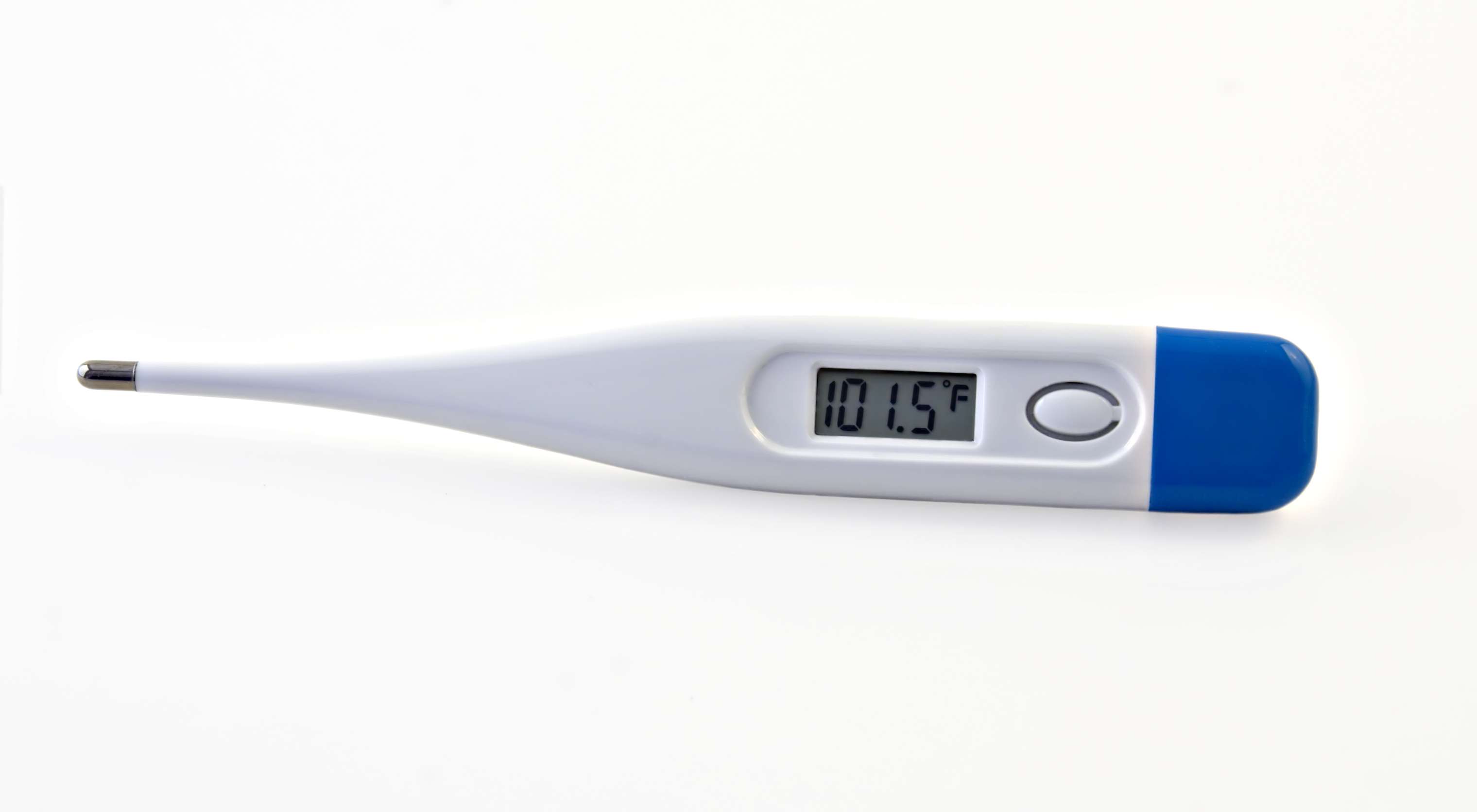
COPD encompasses progressive lung diseases such as emphysema and chronic bronchitis characterized by persistent respiratory symptoms due mainly to long-term exposure to irritants like tobacco smoke. Understanding COPD improves your ability to manage this debilitating illness effectively when diagnosed promptly!
- Symptoms: The principal manifestations include ongoing cough with mucus production along with breathlessness during exertion leading up potentially into resting phases exacerbated by environmental pollutants!
- Diagnosis: A thorough assessment involving patient history combined with lung function tests provides clarity on severity levels which helps in formulating personalized care plans going forward!
- Treatment: Approaches usually feature inhalers aimed at relaxing airway muscles paired up against anti-inflammatory medications designed specifically targeting airway inflammation while rehabilitation programs offering exercise regimens enhance overall well-being too!
- What To Expect: Patients receiving appropriate treatments typically report improvements although progression remains possible hence continued follow-ups form integral parts towards successful managements achieving optimal results gradually over time!.
Managing COPD ultimately requires commitment from both doctors & patients collaborating closely enabled thru education potential liturgical efforts utilizing symptom tracking methods identifying adverse reactions triggering complications developing positive social support systems surrounding healthcare needs furthermore encouraging healthier lifestyles benefiting overall wellbeing overtime!!
ASTHMA
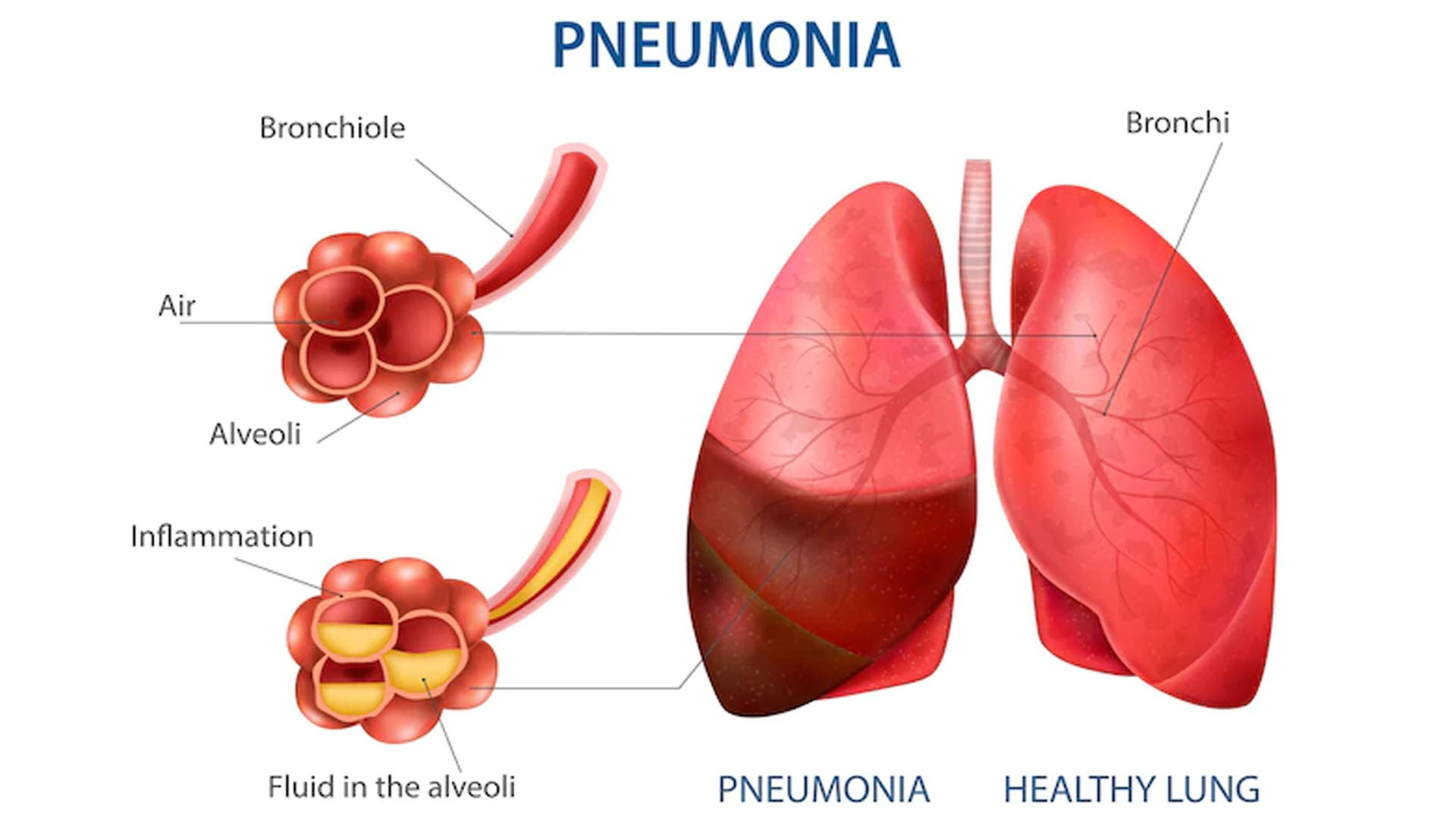
A chronic respiratory condition characterized by inflammation of the airways leading to difficulty breathing is known as asthma. Identifying triggers can empower patients to manage their symptoms more effectively.
- Symptoms: Common symptoms include wheezing, coughing especially at night or early morning, chest tightness, and shortness of breath during physical activity or exposure to allergens.
- Diagnosis: Asthma diagnosis often involves pulmonary function tests or spirometry that measure airflow obstruction during breathing tests tailored to the patient’s age group and diagnostics history.
- Treatment:The primary approach involves avoiding triggers alongside bronchodilators for quick relief during an asthma attack; corticosteroids may be prescribed for longer-term control of inflammation within the lungs.
Mild cases can be adequately managed with proper education on self-management techniques while more severe instances may require careful monitoring by healthcare professionals. Recognizing patterns in symptoms helps tailor treatment plans according to individual needs ensuring effective management throughout one’s life journey.
HYPERLIPIDEMIA
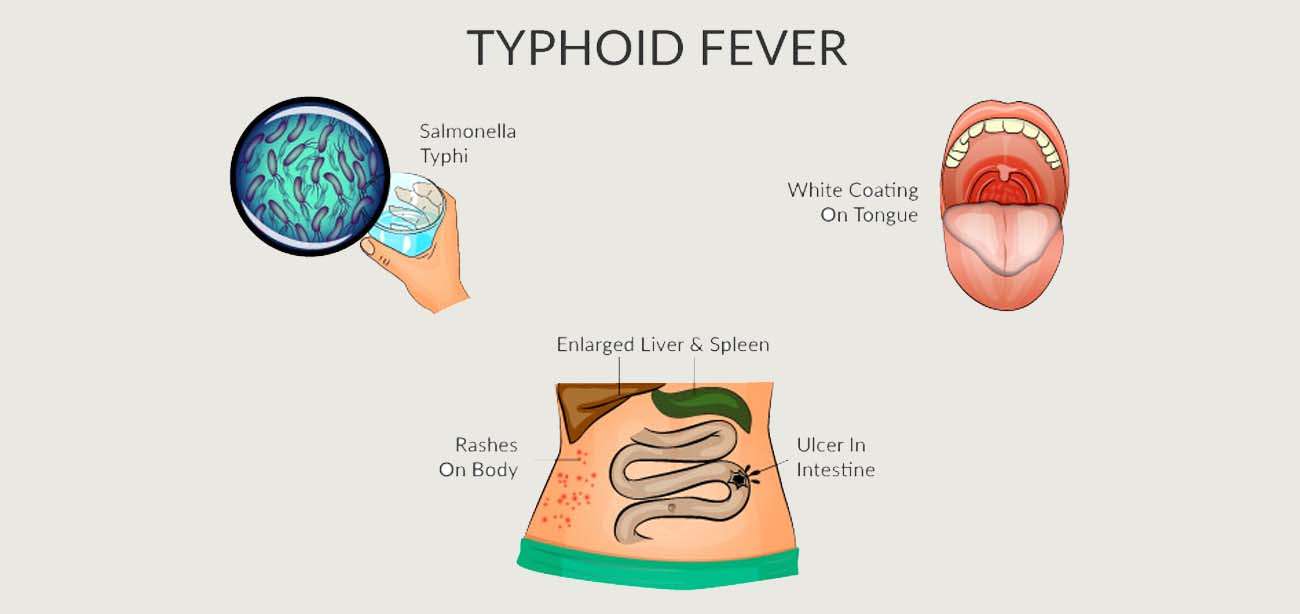
This condition refers to elevated levels of lipids (cholesterol and triglycerides) in the bloodstream and is a significant risk factor for cardiovascular diseases. Early detection through routine screenings can facilitate effective management.
- Symptoms: Hyperlipidemia often presents no clear symptoms; however, it may lead to serious conditions like heart attack or stroke if left unaddressed.
- Diagnosis: Blood tests measuring lipid levels provide critical information about cholesterol types: LDL (bad) cholesterol and HDL (good) cholesterol levels are key indicators.
- Treatment: Therapeutic strategies include lifestyle changes like diet modification (reducing saturated fats), regular physical activity, and medication such as statins when necessary.
- What to Expect: With diligent management through diet and medication, individuals can lower lipid levels effectively and minimize cardiovascular risk factors over time.
If you suspect high cholesterol or have risk factors, discussing preventive strategies with your healthcare provider is wise for long-term health benefits.
DIABETES MELLITUS
Diabetes is a chronic condition that affects how your body processes sugar (glucose), leading to elevated blood sugar levels. It primarily manifests in two types: Type 1 and Type 2 diabetes.
- Symptoms: Common indicators include increased thirst, frequent urination, extreme fatigue, and blurred vision.
- Diagnosis: Diagnosis is typically made through fasting blood glucose tests or A1C tests that measure average blood sugar over three months.
- Treatment: Management includes lifestyle modifications such as dietary changes, exercise, insulin therapy for Type 1 diabetes, and oral medications for Type 2 diabetes.
- What to Expect: Many patients successfully manage their condition with appropriate interventions. Regular monitoring of blood sugar levels is essential for maintaining overall health.
A proactive approach can significantly improve quality of life and reduce the risk of complications associated with untreated diabetes.
HYPERTENSION
High blood pressure, or hypertension, is a common condition that can lead to serious health complications if not effectively managed. It often has no noticeable symptoms, making regular monitoring crucial for early detection.
- Symptoms: Many individuals may experience headaches, shortness of breath, or nosebleeds, but these signs typically do not occur until hypertension reaches a severe level.
- Diagnosis: Blood pressure readings are taken using a sphygmomanometer during routine check-ups. A reading consistently above 130/80 mmHg may indicate hypertension.
- Treatment: Management options include lifestyle changes such as diet and exercise, as well as medications like diuretics or ACE inhibitors to help control blood pressure levels.
- What to Expect: With proper management, individuals can lead normal lives while keeping their blood pressure within a healthy range. Regular follow-ups are essential to monitor progress and adjust treatment as necessary.
Understanding hypertension is vital for maintaining cardiovascular health and preventing complications such as heart disease and stroke.