
Dr Deepak Srivas
About Me
Dr Deepak Srivas
MBBS
General Physician
10 Years Experience
Biography
My Clinic
OPD Hours
| Monday | Morning | 10:00 AM | - | 02:00 PM |
| Evening | 06:00 PM | - | 09:00 PM | |
| Tuesday | Morning | 10:00 AM | - | 02:00 PM |
| Evening | 06:00 PM | - | 09:00 PM | |
| Wednesday | Morning | 10:00 AM | - | 02:00 PM |
| Evening | 06:00 PM | - | 09:00 PM | |
| Thursday | Morning | 10:00 AM | - | 02:00 PM |
| Evening | 06:00 PM | - | 09:00 PM | |
| Friday | Morning | 10:00 AM | - | 02:00 PM |
| Evening | 06:00 PM | - | 09:00 PM | |
| Saturday | Morning | 10:00 AM | - | 02:00 PM |
| Evening | 06:00 PM | - | 09:00 PM | |
| Sunday | Morning | 10:00 AM | - | 02:00 PM |
| Evening | 06:00 PM | - | 09:00 PM |
Treatments
Specialised care and treatments offered
LIVER FUNCTION TESTS (LFTS)
Liver function tests measure enzymes and proteins in the blood that indicate how well the liver is performing vital tasks. These assessments help detect liver damage early before symptoms arise noticeably in most cases.
- Symptoms & Risks : Jaundice , fatigue , abdominal pain could be signs prompting LFTs ; risk factors include alcohol use , viral hepatitis exposure , medication side effects .
- Diagnostic Approach : Blood samples analyze levels such as ALT , AST , bilirubin , albumin providing comprehensive insights regarding hepatocellular integrity .
- Treatment & Monitoring : Abnormal values lead to further diagnostics potentially including imaging studies ; treatment focuses on addressing underlying causes plus modifications reducing liver strain .
- Patient Considerations : Tests are straightforward with minimal discomfort , results guiding clinicians toward personalized care plans ensuring liver health preservation .
Regular evaluation via LFTs supports prevention strategies against progressing liver diseases thereby safeguarding systemic wellness significantly impacted by hepatic functionality status measurement outcomes .
ELECTROCARDIOGRAM (ECG) EVALUATION

An electrocardiogram (ECG) serves as a frontline tool in assessing heart rhythm and detecting irregularities that might signal underlying cardiac issues requiring attention.
- Syndromes & Causes Detected:Sensors detect abnormal heartbeats stemming from ischemia, arrhythmias, or electrolyte imbalances among other causes impacting cardiovascular health.
- Description of Procedure:A painless test involves placing electrodes on the chest which record electrical impulses guiding interpretation of heart function by healthcare professionals.
- Treatment Pathways Based on Results:If abnormalities appear such as arrhythmias or signs suggestive of myocardial infarction evaluations will extend toward medications or specialist referrals when needed depending on severity identified during ECG analysis.
This quick examination provides invaluable initial cardiac assessment helping with early diagnosis thus improving patient outcomes through prompt management approaches tailored individually based on findings observed during testing procedures conducted routinely when indicated clinically within general practice settings alike .
ROUTINE COMPLETE BLOOD COUNT (CBC)
A complete blood count (CBC) offers a broad overview of one’s general health by analyzing different components of the blood. It assists in diagnosing a variety of medical conditions early on.
- Symptoms & Causes Indicated: Fatigue, bruising easily, infections may indicate anemia or infections detectable through CBC abnormalities.
- Diagnostic Process: A small blood sample is analyzed in a lab to evaluate red cells, white cells, hemoglobin levels, hematocrits, and platelet counts thoroughly.
- Treatment/Management Implications:If irregularities are found such as anemia or infection markers, further investigations guide specific treatments accordingly including supplements or antibiotics if needed.
- The Experience for Patients:This minimally invasive test is quick with results often available within hours to days aiding timely clinical decisions based on findings.
THYROID FUNCTION TESTING
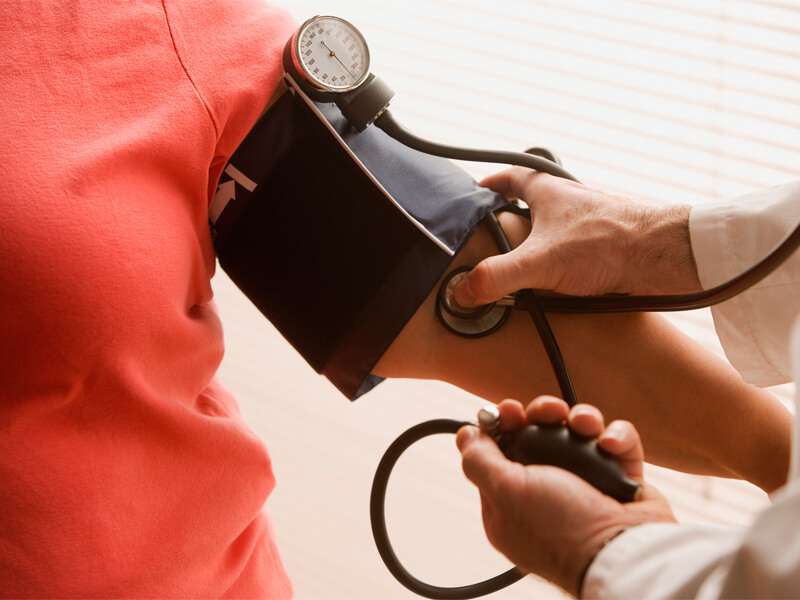
The thyroid gland plays an essential role in regulating metabolism; abnormalities can significantly affect various body systems. Testing thyroid function helps diagnose disorders like hypothyroidism or hyperthyroidism promptly.
- Symptoms & Causes: Symptoms such as unexplained weight change, fatigue, palpitations; causes include autoimmune diseases or iodine deficiency.
- Diagnosis: Blood tests measuring TSH (thyroid-stimulating hormone), free T4, and sometimes anti-thyroid antibodies clarify thyroid status precisely.
- Treatment/Management: Depending on results, treatment may involve hormone replacement therapy or medications to reduce excess hormone production.
- What to Expect: Regular follow-up testing ensures dosage adjustments are made appropriately while monitoring symptom resolution over time.
Timely thyroid function assessment helps maintain metabolic balance critical for overall health maintenance.
DIABETES SCREENING AND MONITORING

Detecting diabetes early through screening can prevent many complications associated with prolonged high blood sugar levels. Monitoring glucose control is equally important for managing the disease effectively.
- Symptoms & Causes: Increased thirst, frequent urination, fatigue; risk factors include family history, obesity, and inactivity.
- Diagnosis: Blood tests such as fasting plasma glucose, oral glucose tolerance test (OGTT), or HbA1c provide valuable information on glucose metabolism status.
- Treatment/Management: Includes lifestyle interventions like balanced nutrition and regular physical activity along with oral hypoglycemics or insulin therapy when needed.
- What to Expect: Patients should prepare for regular monitoring visits where blood sugar levels are checked alongside evaluation of any complications affecting kidneys or eyes.
An established screening and monitoring routine enables timely intervention that minimizes risks linked with diabetes progression.
HYPERTENSION MANAGEMENT

High blood pressure, or hypertension, is a common condition that can lead to serious health complications if left untreated. Understanding its impact and how to manage it effectively is crucial for maintaining overall health.
- Symptoms & Causes: Often called the 'silent killer,' hypertension might not present clear symptoms but can result from genetics, poor diet, stress, or sedentary lifestyle.
- Diagnosis: Regular blood pressure monitoring using sphygmomanometers during clinical visits helps identify elevated readings consistently over time.
- Treatment/Management: Lifestyle modifications like diet changes, exercise, and medications such as ACE inhibitors or beta-blockers are commonly prescribed to keep blood pressure within target ranges.
- What to Expect: Ongoing follow-ups ensure treatment effectiveness; patients may need periodic adjustments to medication or further diagnostic tests to monitor organ function.
Controlling hypertension lowers the risk of heart disease and stroke, making early detection and continuous management vital for long-term wellbeing.