
Dr Deepak Vangani
About Me
Dr Deepak Vangani
MS
Urologists
10 Years Experience
Biography
My Clinic
OPD Hours
| Monday | Morning | 10:00 AM | - | 02:00 PM |
| Evening | 06:00 PM | - | 09:00 PM | |
| Tuesday | Morning | 10:00 AM | - | 02:00 PM |
| Evening | 06:00 PM | - | 09:00 PM | |
| Wednesday | Morning | 10:00 AM | - | 02:00 PM |
| Evening | 06:00 PM | - | 09:00 PM | |
| Thursday | Morning | 10:00 AM | - | 02:00 PM |
| Evening | 06:00 PM | - | 09:00 PM | |
| Friday | Morning | 10:00 AM | - | 02:00 PM |
| Evening | 06:00 PM | - | 09:00 PM | |
| Saturday | Morning | 10:00 AM | - | 02:00 PM |
| Evening | 06:00 PM | - | 09:00 PM | |
| Sunday | Morning | 10:00 AM | - | 02:00 PM |
| Evening | 06:00 PM | - | 09:00 PM |
Treatments
Specialised care and treatments offered
BLADDER HEALTH ASSESSMENT
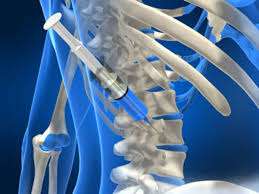
Mental awareness surrounding bladder health is essential at all ages. Regular assessments can assist in identifying potential issues before they advance into more serious conditions such as bladder cancer or chronic bladder dysfunctions.
- Symptoms: Common signs include persistent urgency to urinate , painful urination , blood visible in urine ,and lower abdominal pain .
- Diagnosis: Healthcare providers typically perform physical exams along with urine tests , imaging studies ,and cystoscopy procedures if required .
- Treatment approaches: Depending on findings , treatment could involve lifestyle modifications ,certain medications ,or interventions that target underlying disorders .
- Prevention tips: Staying hydrated while avoiding irritants such as caffeine will support optimal bladder function .
Recognizing early warning signs promotes proactive healthcare measures leading towards improved long-term outcomes .
SEXUALLY TRANSMITTED INFECTION (STI) TESTING

The prevalence of sexually transmitted infections (STIs) requires routine testing for sexually active individuals. STIs can have serious health implications if left untreated but can be effectively managed with early detection.
- Causative agents: Common infections include chlamydia, gonorrhea, syphilis, HPV, and herpes. Early symptoms are often mild or mistaken for other conditions;
URINARY INCONTINENCE MANAGEMENT

This condition affects millions yet remains under-discussed: urinary incontinence occurs when there's a loss of bladder control. Understanding its types helps inform proper management strategies that can reclaim quality of life for those affected.
- Types: The most common forms include stress incontinence (urine leaks during sneezing or exercise) and urge incontinence (a sudden strong urge to urinate).
- Causative factors: Pregnancy, childbirth complications, menopause changes, neurological conditions, and urinary tract infections are notable contributors to incontinence issues.
- Treatment options: Strategies may involve pelvic floor exercises (Kegel), bladder training techniques, medications, or surgical interventions when necessary.
A proactive approach towards managing urinary incontinence significantly enhances daily functioning and helps restore confidence among affected individuals.
ERECTILE DYSFUNCTION EVALUATION

Erectile dysfunction (ED) can be a distressing condition affecting men’s quality of life. It may stem from various physical or psychological factors. Addressing this condition is crucial for both emotional well-being and relationship health.
- Causes: ED may result from underlying conditions such as diabetes, heart disease, or hormonal imbalances; lifestyle choices like smoking and excessive alcohol consumption also play a role.
- Diagnosis: Clinicians often conduct physical exams and review medical history alongside blood tests to identify potential causes.
- Treatment methods: Options range from lifestyle changes to medications like phosphodiesterase inhibitors; therapy might also be beneficial for emotional factors influencing performance.
If you experience ongoing difficulties with erections, reaching out for evaluation can pave the way for effective solutions tailored to individual needs.
KIDNEY STONE MANAGEMENT

Kidney stones are hard deposits made of minerals and salts that form inside the kidneys. They can affect anyone and often cause severe pain as they pass through the urinary tract. Understanding kidney stones is key to prevention and treatment.
- Symptoms: Common signs include intense pain in the back or side, blood in urine, nausea, and frequent urination.
- Diagnosis: Imaging tests like ultrasounds or CT scans help detect stones' location and size.
- Treatment approaches: Small stones may pass on their own with increased fluid intake; larger ones might require procedures like lithotripsy or surgical removal.
- Management tips: Increasing water intake and avoiding specific high-oxalate foods can help reduce recurrence risk.
A thorough understanding of kidney stone formation aids in effective management strategies to alleviate pain and prevent future occurrences.
PROSTATE CANCER SCREENING

Prostate cancer screening is an essential procedure for early detection of prostate cancer, especially in men over the age of 50 or those with a family history. Regular screenings can significantly reduce mortality rates by identifying cancer at earlier stages.
- Symptoms: Early stages often show no symptoms; however, advanced cases may present with difficulty urinating, blood in urine, or pelvic discomfort.
- Diagnosis: Blood tests measuring Prostate-Specific Antigen (PSA) levels and digital rectal examinations are standard practices for assessing prostate health.
- Treatment options: Depending on the stage, treatments may include active surveillance, surgery, radiation therapy, or hormone therapy.
- Expectations: Routine screenings can help identify high-risk individuals and enable timely intervention to improve outcomes.
By prioritizing regular screenings, men can take proactive steps toward safeguarding their health against one of the most common cancers.