
Dr Deepanshu Gurn
About Me
Dr Deepanshu Gurn
MBBS
General Physician
10 Years Experience
Biography
My Clinic
OPD Hours
| Monday | Morning | 10:00 AM | - | 02:00 PM |
| Evening | 06:00 PM | - | 09:00 PM | |
| Tuesday | Morning | 10:00 AM | - | 02:00 PM |
| Evening | 06:00 PM | - | 09:00 PM | |
| Wednesday | Morning | 10:00 AM | - | 02:00 PM |
| Evening | 06:00 PM | - | 09:00 PM | |
| Thursday | Morning | 10:00 AM | - | 02:00 PM |
| Evening | 06:00 PM | - | 09:00 PM | |
| Friday | Morning | 10:00 AM | - | 02:00 PM |
| Evening | 06:00 PM | - | 09:00 PM | |
| Saturday | Morning | 10:00 AM | - | 02:00 PM |
| Evening | 06:00 PM | - | 09:00 PM | |
| Sunday | Morning | 10:00 AM | - | 02:00 PM |
| Evening | 06:00 PM | - | 09:00 PM |
Treatments
Specialised care and treatments offered
OBESITY COUNSELING
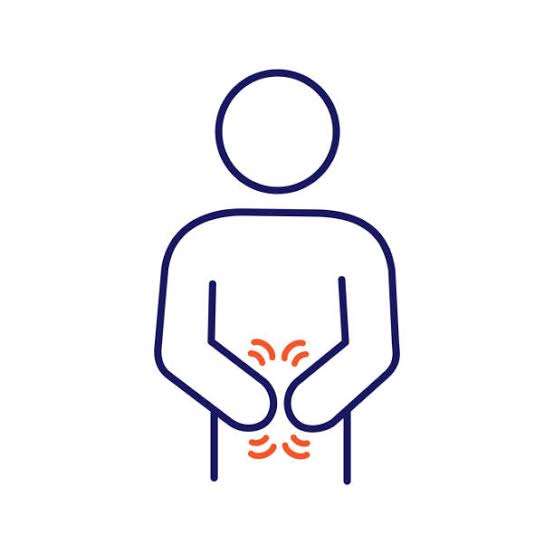
The increasing prevalence of obesity demands focused intervention strategies combining education with practical support. Addressing this issue improves both physical and mental well-being significantly over time.
UPPER RESPIRATORY TRACT INFECTION TREATMENT

Coughs, sore throats, and nasal congestion are typical signs of upper respiratory tract infections (URTIs). Most are self-limiting but appropriate care helps speed recovery and prevent complications.
PREVENTIVE HEALTH CHECK-UPS
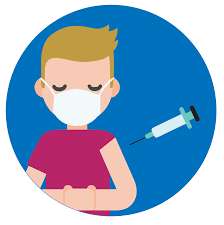
Regular preventive health evaluations aim to identify potential health risks before symptoms arise. This proactive approach supports long-term wellness through early detection and guidance.
- Purpose: Screening for conditions like anemia, lipid abnormalities, or thyroid dysfunction aids in maintaining overall health status regularly.
- Screens Included: Blood tests, urine analysis, body mass index calculation along with vital signs check provide comprehensive insights into bodily functions.
- Lifestyle Counseling: Nutrition advice, exercise recommendations, tobacco cessation support form critical components of these visits promoting healthy habits adoption.
- Follow-Up Plans: Based on findings tailored interventions help address identified concerns promptly preventing escalation into chronic illnesses.
SEASONAL ALLERGY CARE
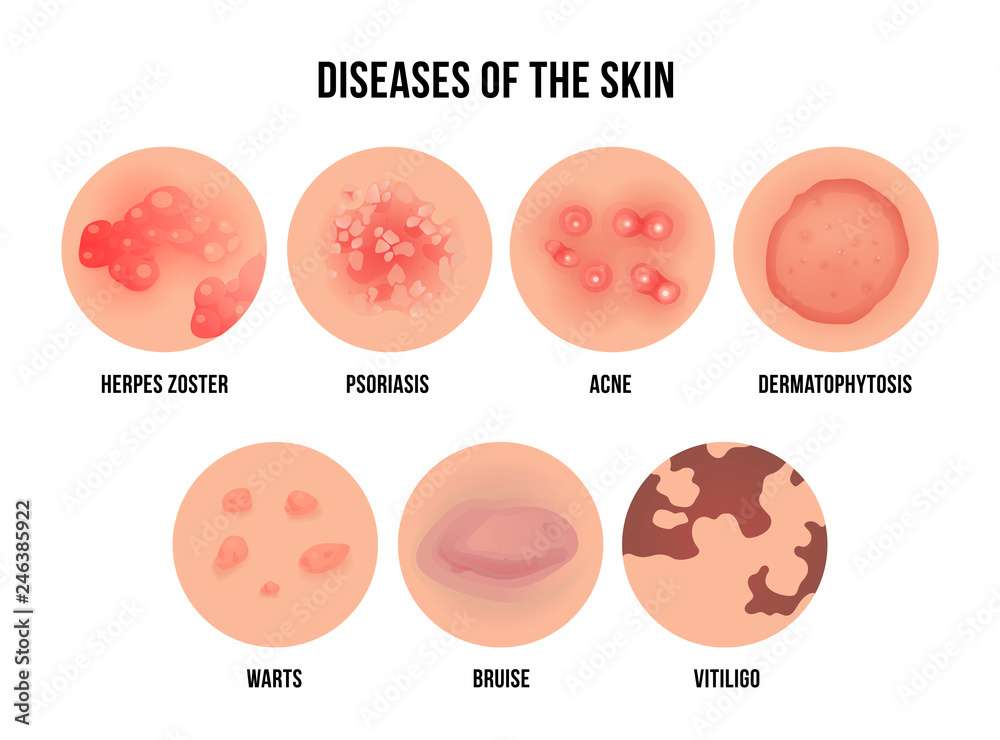
Seasonal allergies cause discomfort during specific times of the year due to environmental allergens. Effective care improves daily functioning and reduces symptoms severity.
- Causative Agents: Pollen from trees, grasses, or weeds often triggers allergic reactions in susceptible individuals during spring or fall seasons.
- Differential Diagnosis: Identifying allergy involves symptom review combined with skin prick or specific IgE blood tests to pinpoint allergens accurately.
- Treatment Approaches: Antihistamines alleviate symptoms such as sneezing and watery eyes; nasal corticosteroids reduce inflammation when needed.
- Avoidance Strategies: Limiting exposure by keeping windows closed or using air purifiers minimizes allergen contact effectively during peak seasons.
If managed well, most people experience significant relief allowing normal activities without disruption from seasonal allergy symptoms.
TYPE 2 DIABETES SCREENING

Type 2 diabetes is a metabolic disorder characterized by high blood sugar due to insulin resistance. Early detection through screening can prevent complications associated with this chronic disease.
- Risk Factors and Symptoms: Overweight individuals, sedentary lifestyle, family history, or symptoms like increased thirst and frequent urination suggest the need for evaluation.
- Screening Methods: Blood tests measuring fasting glucose levels or HbA1c percentages are standard tools for diagnosis.
- Lifestyle Interventions: Diet adjustments focusing on low glycemic index foods and increased physical activity play a crucial role in preventing progression.
- Treatment Options: When necessary, oral medications or insulin therapy help manage blood sugar effectively under medical supervision.
Routine screening ensures timely diagnosis so patients can begin appropriate management strategies promptly to avoid long-term health issues.
HYPERTENSION MANAGEMENT
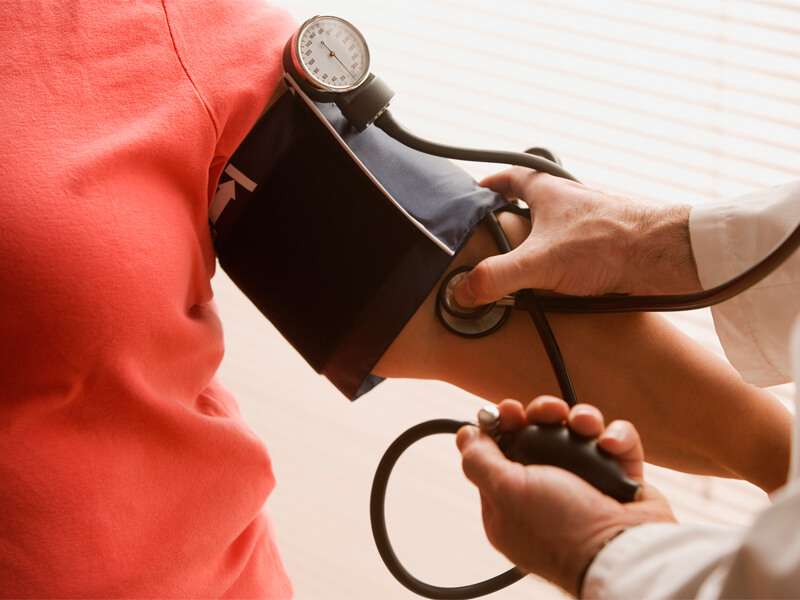
High blood pressure is a common health condition that can lead to serious complications if not properly managed. Understanding and controlling hypertension is essential to maintain overall cardiovascular health.
- Symptoms and Causes: Often called the "silent killer," hypertension may show no obvious symptoms but can result from genetics, lifestyle factors like diet and physical inactivity, or underlying medical issues.
- Diagnosis: Regular blood pressure measurements using a sphygmomanometer help confirm persistent elevated readings above normal limits (typically >130/80 mmHg).
- Treatment and Management: Lifestyle modifications including a healthy diet, regular exercise, weight control, and sometimes medication are used to control blood pressure effectively.
- Monitoring: Consistent follow-up appointments allow adjustments to treatment plans ensuring optimal blood pressure control.
Properly managing hypertension reduces risks of stroke, heart attack, and kidney disease while improving quality of life through controlled blood pressure levels.