
Dr Deepanshu Gurn
About Me
Dr Deepanshu Gurn
MD
Oncologist
10 Years Experience
Biography
My Clinic
OPD Hours
| Monday | Morning | 10:00 AM | - | 02:00 PM |
| Evening | 06:00 PM | - | 09:00 PM | |
| Tuesday | Morning | 10:00 AM | - | 02:00 PM |
| Evening | 06:00 PM | - | 09:00 PM | |
| Wednesday | Morning | 10:00 AM | - | 02:00 PM |
| Evening | 06:00 PM | - | 09:00 PM | |
| Thursday | Morning | 10:00 AM | - | 02:00 PM |
| Evening | 06:00 PM | - | 09:00 PM | |
| Friday | Morning | 10:00 AM | - | 02:00 PM |
| Evening | 06:00 PM | - | 09:00 PM | |
| Saturday | Morning | 10:00 AM | - | 02:00 PM |
| Evening | 06:00 PM | - | 09:00 PM | |
| Sunday | Morning | 10:00 AM | - | 02:00 PM |
| Evening | 06:00 PM | - | 09:00 PM |
Treatments
Specialised care and treatments offered
TARGETED THERAPY
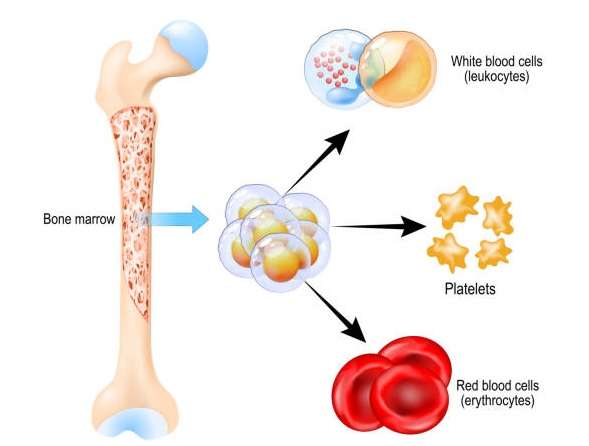
This modern treatment strategy focuses on specific genetic markers found within tumors. Targeted therapies aim at blocking the growth pathways of certain cancers while leaving healthy cells relatively unaffected.
- Symptoms AlertsTypically identified through routine check-ups when patients present with abnormal findings during screenings.
Diagnosis Techniques
- Includes advanced genomic testing performed on biopsy samples which identifies mutations driving tumor growth.
Treatment Methods
IMMUNOTHERAPY

This innovative therapeutic approach harnesses the body’s immune system to combat cancer. By boosting immune responses, immunotherapy offers an alternative pathway to traditional treatments like chemotherapy and radiation.
- Cancer Symptoms Treated: Immunotherapy can be particularly effective against certain cancers that evade normal immune detection leading to progressive symptoms over time.
- Disease Evaluation: Testing specific biomarkers helps identify which patients are likely to benefit from this advanced approach before initiating treatment protocols.
- Management Options Can include monoclonal antibodies that target specific cancer markers.
Patient Experience:
SURGERY
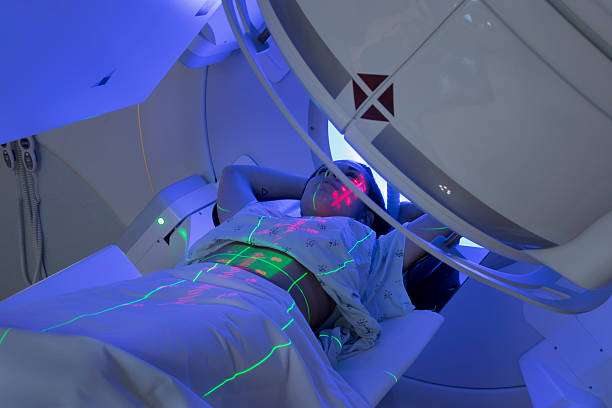
Surgical intervention serves as a primary treatment modality for removing localized tumors from affected areas. It plays a crucial role in achieving cure or palliation in many cases.
- Symptoms Leading to Surgery: Patients may seek surgical options when experiencing significant symptoms like obstructive mass effects causing pain or dysfunction.
- Diagnostic Tools: Preoperative imaging studies and biopsies aid in planning effective surgical approaches tailored to individual cases.
- Surgical Types: Depending on cancer type and stage, procedures vary from minimally invasive techniques (laparoscopic) to more extensive open surgeries aimed at total tumor resection.
The expectations post-surgery include recovery phases where ongoing assessments ensure complete healing and monitoring for any signs of recurrence.
RADIATION THERAPY
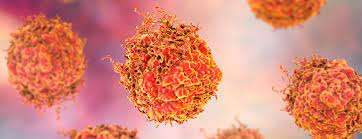
Radiation therapy employs high doses of radiation to eliminate cancerous cells while aiming to spare surrounding healthy tissue. It’s often used in conjunction with other treatments for greater effectiveness.
- Symptoms Addressed: Typically recommended for symptoms associated with local tumor growth such as pain or difficulty swallowing due to nearby mass effects.
- Diagnostic Procedures: Imaging studies like PET scans help ascertain the precise location of tumors before treatment begins.
- Treatment Mechanism: This therapy can be delivered externally through machines or internally via implants depending on the cancer type and location.
- Pain Management: Some patients may experience skin irritation or fatigue as side effects; managing these proactively enhances overall comfort during treatment.
The aim is to achieve maximum tumor control while minimizing disruption to patient life quality during and after therapy.
CHEMOTHERAPY
Chemotherapy is a common treatment approach for various types of cancer. It utilizes powerful drugs to target and destroy cancer cells, helping to shrink tumors and control the disease.
- Common Symptoms: The need for chemotherapy usually arises when patients present with symptoms related to tumor growth, such as unexplained weight loss, persistent cough, or unusual bleeding.
- Diagnosis: A comprehensive evaluation including imaging scans (like CT or MRI) and biopsies is crucial in determining the necessity of chemotherapy.
- Treatment Options: Chemotherapy may be administered intravenously or orally in cycles, allowing time for recovery between rounds.
- Managing Side Effects: Common side effects can include nausea, fatigue, and hair loss; however, supportive care can help alleviate these issues.
- What to Expect: Regular follow-ups and monitoring of blood counts are essential throughout the treatment process to ensure safety and efficacy.
This treatment option can significantly improve outcomes and extend survival rates for many cancer patients.