
Dr Deependra Bha
About Me
Dr Deependra Bha
MD
Cardiologist
10 Years Experience
Biography
My Clinic
OPD Hours
| Monday | Morning | 10:00 AM | - | 02:00 PM |
| Evening | 06:00 PM | - | 09:00 PM | |
| Tuesday | Morning | 10:00 AM | - | 02:00 PM |
| Evening | 06:00 PM | - | 09:00 PM | |
| Wednesday | Morning | 10:00 AM | - | 02:00 PM |
| Evening | 06:00 PM | - | 09:00 PM | |
| Thursday | Morning | 10:00 AM | - | 02:00 PM |
| Evening | 06:00 PM | - | 09:00 PM | |
| Friday | Morning | 10:00 AM | - | 02:00 PM |
| Evening | 06:00 PM | - | 09:00 PM | |
| Saturday | Morning | 10:00 AM | - | 02:00 PM |
| Evening | 06:00 PM | - | 09:00 PM | |
| Sunday | Morning | 10:00 AM | - | 02:00 PM |
| Evening | 06:00 PM | - | 09:00 PM |
Treatments
Specialised care and treatments offered
PEDIATRIC KAWASAKI DISEASE CARE

Kawasaki disease is an acute inflammation affecting children’s blood vessels which primarily targets coronary arteries. Prompt recognition is vital since it can cause lasting cardiac damage if untreated.
- Symptoms Overview : High fever lasting over five days accompanied by rash , swollen lymph nodes , red eyes , cracked lips , swollen hands/feet ; causes remain unknown but believed to involve immune responses .
- Diagnostic Criteria : Mainly clinical evaluation supplemented by echocardiogram checks for aneurysms .
- Treatment Strategy : High-dose intravenous immunoglobulin combined with aspirin therapy reduces inflammation substantially .
- Prognosis & Follow-Up : Most children recover fully when treated early but require ongoing cardiology reviews due to risk of coronary artery abnormalities .
Awareness about Kawasaki disease signs ensures early medical intervention preventing serious cardiovascular complications during childhood .
HEART FAILURE MANAGEMENT
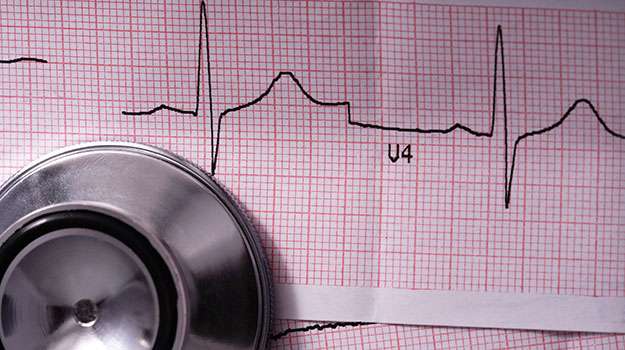
This chronic condition occurs when the heart cannot pump blood efficiently enough to meet the body’s needs. It demands comprehensive evaluation and ongoing care for symptom control and improved life quality.
- Main Causes & Symptoms: Coronary artery disease, hypertension or cardiomyopathies can lead to fatigue, swelling in legs/abdomen, breathlessness especially on exertion or lying flat.
- The Diagnostic Approach:Echocardiograms assess cardiac function; lab tests check biomarkers like BNP that indicate worsening failure stages; Treatment Plans Include: Optimizing medications such as ACE inhibitors & diuretics alongside lifestyle advice including sodium restriction & fluid management;
ARRHYTHMIA DIAGNOSIS AND MANAGEMENT
An arrhythmia refers to any irregularity in the heartbeat rhythm—too fast, too slow or erratic. These disturbances can affect heart efficiency and cause various symptoms depending on their severity.
- Spectrum of Symptoms & Causes: Palpitations, dizziness, fainting episodes; causes range from electrolyte imbalances to underlying structural heart conditions or medications.
- Evaluation Techniques: Holter monitoring, ECGs, electrophysiological studies provide detailed information about abnormal rhythms for precise diagnosis.
- Treatment Options: Vary based on arrhythmia type: medications (beta-blockers), catheter ablation procedures or implantable devices like pacemakers may be employed accordingly.
A tailored treatment strategy helps restore normal rhythm patterns while minimizing complications associated with arrhythmias.
CORONARY ARTERY DISEASE (CAD) TREATMENT
This condition involves narrowing or blockage of coronary arteries due to plaque buildup, reducing blood flow to the heart muscle. It’s a leading cause of chest pain and heart attacks worldwide.
- Symptoms and Risk Factors: Common signs include chest discomfort, shortness of breath, fatigue; risk factors encompass smoking, diabetes, high cholesterol, sedentary lifestyle.
- Diagnostic Procedures: Stress tests, ECGs, coronary angiography assist in detecting artery blockages accurately.
- Treatment Modalities: Management includes lifestyle changes, medication to control cholesterol and blood pressure, antiplatelet agents; invasive procedures like angioplasty or bypass surgery may be necessary in advanced cases.
- Lifestyle Impact: Adopting a heart-healthy diet and regular exercise plays an essential role alongside medical therapy in improving prognosis.
Taking early action against CAD can significantly reduce the risk of severe cardiac events and improve long-term survival rates.
CONGENITAL HEART DEFECT REPAIR
Congenital heart defects (CHDs) are structural problems with the heart present from birth. They vary widely in severity and impact on heart function.
- Symptoms and Causes: CHDs result from abnormal heart development before birth; symptoms may include rapid breathing, fatigue, or cyanosis depending on the defect type.
- Diagnostic Methods: Echocardiography, cardiac MRI, and sometimes cardiac catheterization help define the nature and extent of the defect.
- Treatment Approaches: Many defects require surgical correction or catheter-based interventions during infancy or childhood to restore normal circulation.
- Follow-Up Care: Lifelong cardiology monitoring ensures early detection of potential complications post-repair.
An early diagnosis combined with timely intervention substantially enhances outcomes for individuals born with congenital heart anomalies.
HYPERTENSION MANAGEMENT
High blood pressure, or hypertension, is a common cardiovascular condition that can lead to serious health complications if left untreated. It often develops gradually and may not present noticeable symptoms initially.
- Causes and Symptoms: Factors include genetics, obesity, stress, excess salt intake, and lack of physical activity; symptoms are usually absent but may include headaches or dizziness in severe cases.
- Diagnosis: Blood pressure is measured using a cuff device over multiple visits to confirm persistent elevation above 140/90 mmHg.
- Treatment Options: Lifestyle modifications such as diet and exercise combined with prescribed antihypertensive medications help control blood pressure effectively.
- Monitoring: Regular follow-ups and home blood pressure monitoring are crucial for managing the condition long-term.
- Prognosis: With proper management, complications like stroke or heart attack can often be prevented.
A proactive approach to managing high blood pressure significantly improves overall cardiovascular health and quality of life.