
Dr Deependra Nar
About Me
Dr Deependra Nar
MS
Orthopaedic Surgeons
10 Years Experience
Biography
My Clinic
OPD Hours
| Monday | Morning | 10:00 AM | - | 02:00 PM |
| Evening | 06:00 PM | - | 09:00 PM | |
| Tuesday | Morning | 10:00 AM | - | 02:00 PM |
| Evening | 06:00 PM | - | 09:00 PM | |
| Wednesday | Morning | 10:00 AM | - | 02:00 PM |
| Evening | 06:00 PM | - | 09:00 PM | |
| Thursday | Morning | 10:00 AM | - | 02:00 PM |
| Evening | 06:00 PM | - | 09:00 PM | |
| Friday | Morning | 10:00 AM | - | 02:00 PM |
| Evening | 06:00 PM | - | 09:00 PM | |
| Saturday | Morning | 10:00 AM | - | 02:00 PM |
| Evening | 06:00 PM | - | 09:00 PM | |
| Sunday | Morning | 10:00 AM | - | 02:00 PM |
| Evening | 06:00 PM | - | 09:00 PM |
Treatments
Specialised care and treatments offered
LIGAMENT RECONSTRUCTION
This procedure repairs torn ligaments which are critical for joint stability. Ligament reconstruction uses grafts to replace damaged tissue allowing restored joint function after injury.
- Causes/symptoms: Injuries during sports or accidents often cause ligament tears resulting in pain, swelling, instability complaints.
- Diagnostic steps: Clinical tests combined with MRI confirm ligament injuries requiring reconstruction rather than simple repair.
- Treatment overview: Autografts (from patient) or allografts (donor tissue) are commonly used graft types during reconstructive surgery.
- Expected outcome: Healing timelines vary; focused rehabilitation programs optimize return to pre-injury activity levels safely.
Reconstructive procedures effectively restore biomechanical stability providing patients confidence in resuming normal movements post-recovery.
SPINAL DECOMPRESSION SURGERY
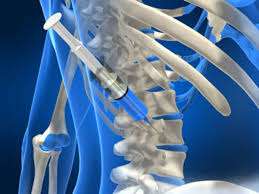
Nerve compression in the spine can cause pain, numbness, or weakness. Spinal decompression relieves pressure on spinal nerves through surgical removal of offending tissues.
- Symptoms/causes: Conditions such as herniated discs or spinal stenosis lead to nerve impingement manifesting as radiating pain or sensory changes.
- Diagnostic approach: MRI scans provide detailed images identifying compressed nerves guiding surgical intervention planning.
- Treatment process: Techniques include laminectomy or discectomy where bone or disc material is removed respectively.
- Recovery phase: Postoperative care involves gradual mobilization supported by physical therapy improving functional recovery.
Decompression surgery aims to restore nerve function relieving symptoms associated with spinal cord or nerve root pressure effectively.
OSTEOPOROSIS SCREENING

This screening identifies decreased bone density that increases fracture risk. Early detection allows interventions to prevent serious complications related to osteoporosis.
- Causative factors/symptoms: Often asymptomatic until fractures occur; risk factors include aging, family history, low calcium intake, or hormonal changes.
- Screening methods: Dual-energy X-ray absorptiometry (DEXA) scans measure bone mineral density reliably and non-invasively.
- Treatment strategies: Lifestyle modifications plus medications like bisphosphonates help strengthen bones once osteoporosis is diagnosed.
- Prognosis: Early identification facilitates treatment adherence reducing future fracture likelihood dramatically.
Routine screening plays a crucial role in safeguarding skeletal health especially in at-risk populations before fractures develop.
TOTAL KNEE REPLACEMENT

This surgical procedure replaces a severely damaged knee joint with an artificial implant. Total knee replacement alleviates pain and improves mobility in patients with advanced arthritis or injury.
- Common causes/symptoms: Severe osteoarthritis causing chronic knee pain, stiffness, and limited activity may prompt surgery consideration.
- Diagnostic evaluation: Clinical exams combined with X-rays assess the extent of joint destruction before surgery planning.
- Treatment details: The damaged joint surfaces are removed and replaced with prosthetic components designed for durability and function.
- Recovery expectations: Rehabilitation starts shortly after surgery focusing on regaining range of motion and muscle strength over weeks to months.
Total knee replacement significantly enhances quality of life by reducing pain and restoring knee function in appropriate candidates.
BONE FRACTURE FIXATION

Treating broken bones requires precise alignment and stabilization to ensure proper healing. Bone fracture fixation uses hardware like plates, screws, or rods to hold bone fragments together.
- Symptoms/causes: Fractures typically result from trauma or accidents causing pain, swelling, deformity, and immobility.
- Diagnostics: X-rays confirm the location and type of fracture guiding treatment choices.
- Treatment modalities: Surgical fixation may be necessary for displaced fractures; non-surgical methods include casting or splinting in specific cases.
- Post-treatment outlook: Healing times vary; physical therapy often helps regain strength and function following immobilization.
The goal of fixation is restoring structural integrity to allow early movement while preventing complications like malunion or delayed healing.
ARTHROSCOPY

Arthroscopy is a minimally invasive surgical procedure used to diagnose and treat joint problems. It allows doctors to view the inside of a joint through a small camera, reducing recovery time compared to traditional surgery.
- Symptoms/causes: Joint pain, swelling, stiffness, or mechanical symptoms like locking can indicate damage needing arthroscopy.
- Diagnosis: Physical examination followed by imaging such as MRI helps identify candidates for this procedure.
- Treatment options: During arthroscopy, surgeons can repair or remove damaged cartilage or ligaments.
- Expectations: Recovery usually involves minimal scarring and quicker rehabilitation than open surgery.
This technique improves accuracy in diagnosing joint issues and offers effective treatment with less invasiveness, enhancing patient outcomes.