
About Me
Dr. Deepika Demo patel
MBBS,M.S
General Physician
10 Years Experience
Biography
Dr. Dipika is a skilled and compassionate ophthalmologist dedicated to preserving and enhancing vision. With expertise in diagnosing and treating a wide range of eye conditions, she specializes in cataract surgery, refractive errors, glaucoma management, and preventive eye care. Committed to patient-centered care, Dr. Dipika emphasizes early detection, advanced treatments, and personalized eye health solutions. Her dedication to excellence and continuous learning makes her a trusted name in ophthalmology, ensuring the best possible outcomes for her patients.
My Clinic
OPD Hours
Treatments
Specialised care and treatments offered
CONTACT LENS CONSULTATIONS
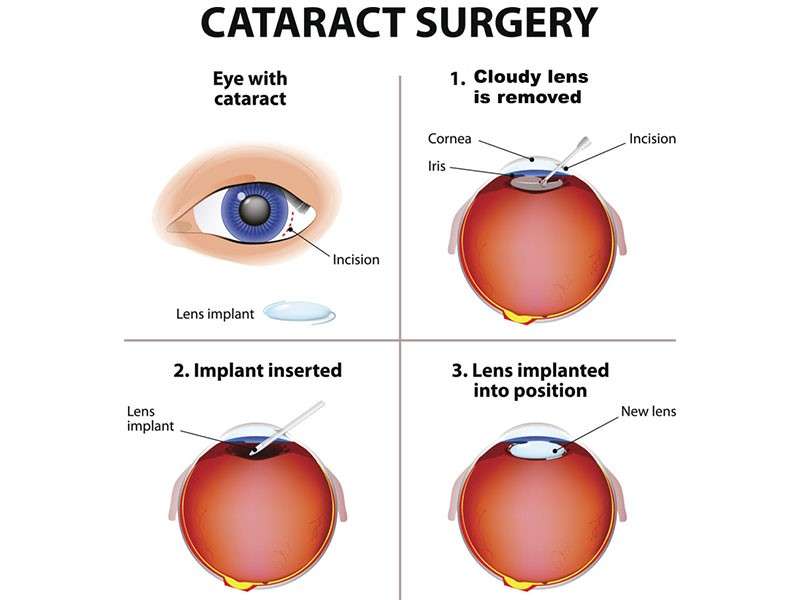
If considering contact lenses as an alternative to glasses, personalized consultations are essential. They ensure that you find comfortable options tailored specifically for your lifestyle needs while preserving ocular health!
- Selecting suitable contact lenses starts with thorough assessments designed to measure corneal curvature &ensure effective fit respectively across diverse types available today!
PEDIATRIC EYE EXAMS
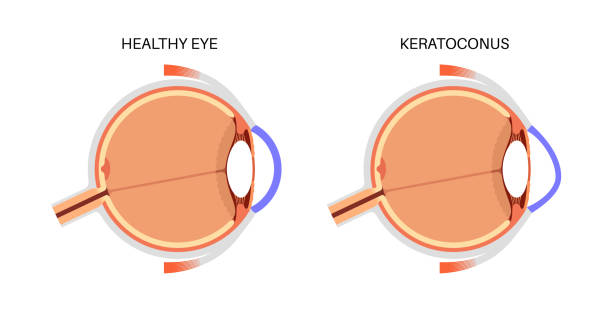
Pediatric eye exams play an integral role in identifying potential issues early in children's development. Early detection of conditions like amblyopia can facilitate timely intervention necessary for proper visual development。
- Common symptoms might include squinting frequently or trouble focusing on objects at a distance by young children.
- An eye care professional uses fun techniques tailored for kids during assessments which could involve visual tests using colorful charts or toys to engage them effectively during examinations。
- Treatment could involve corrective lenses or specialized therapies aimed at enhancing visual function among children with identified conditions before they worsen over time!
Selecting appropriate care reinforces lifelong visual health from childhood onward through dedicated follow-up appointments!
AGE-RELATED MACULAR DEGENERATION (AMD) SCREENING
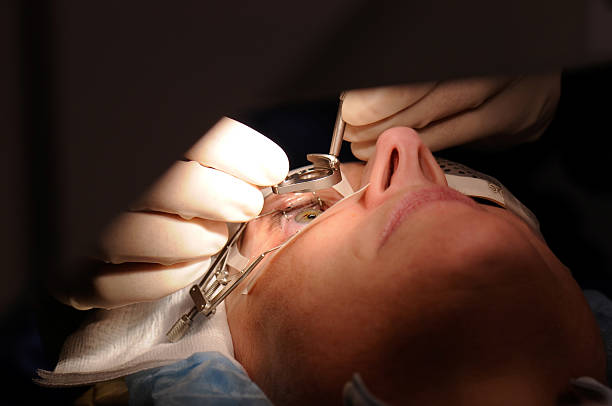
This progressive disease affects central vision and poses a risk as individuals age. Regular screenings can help identify AMD before it becomes advanced, improving chances for effective management。
- Main symptoms may consist of blurriness or distortion in straight lines and difficulty recognizing faces clearly in advanced cases.
- A thorough examination includes Amsler grid tests and imaging techniques like Optical Coherence Tomography (OCT).
- Treatment strategies vary based on type—wet AMD might require injections while dry AMD focuses on dietary supplements and lifestyle adjustments.
- Continued monitoring is essential to adapt treatment strategies as needed over time, preserving existing eyesight longer than if left unchecked.
Regular assessments can significantly enhance living conditions for those at risk of this condition.
GLAUCOMA MANAGEMENT
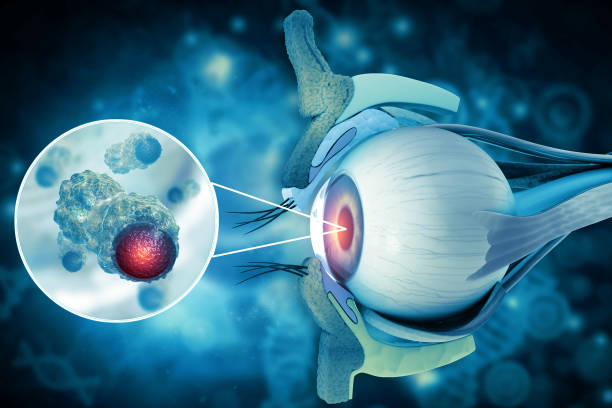
Glaucoma is often referred to as the 'silent thief of sight' because it usually progresses without noticeable symptoms until significant damage has occurred. Early detection through regular examinations is vital for effective management。
- The primary symptom may be gradual peripheral vision loss that can go unnoticed until late stages.
- Diagnosis involves measuring intraocular pressure and assessing peripheral vision through various tests.
- Treatment options include prescription eye drops, laser treatment, or surgery aimed at lowering eye pressure and preventing damage to the optic nerve.
- A comprehensive treatment plan will help manage this chronic condition effectively over time.
Ongoing care ensures that vision remains protected against this potentially debilitating disorder.
DIABETIC RETINOPATHY SCREENING
This condition is a complication of diabetes affecting the eyes and can lead to serious vision loss if not detected early. Regular screening is crucial for those with diabetes to prevent advancement of the disease.
- Symptoms often develop gradually; early stages might not present any noticeable issues.
- Diagnosis typically involves a dilated eye exam where images of the retina are taken to check for changes.
- Treatment options may include laser therapy or injections into the eye to manage blood vessel growth and prevent leakage.
- A proactive approach can significantly reduce risk factors associated with severe vision impairment from this condition.
Timely intervention is key in maintaining visual health for diabetic patients.
CATARACT SURGERY
Cataracts are a common eye condition that affects many individuals, especially as they age. They develop when the lens of the eye becomes cloudy, leading to blurred vision and sometimes difficulty with night vision.
- Symptoms may include faded colors, double vision, and increased sensitivity to glare.
- Cataracts are typically diagnosed through a comprehensive eye exam that assesses visual acuity and examines the lens for cloudiness.
- Treatment usually involves surgical removal of the cloudy lens, which is replaced with an artificial intraocular lens.
- Most patients can expect improved vision immediately after surgery, though full recovery could take several weeks.
- Regular follow-ups are essential to monitor healing and ensure optimal outcomes.
With appropriate treatment, individuals can regain clarity in their vision and enhance their quality of life.