
Dr Desai Bhupen Navinchandra
About Me
Dr Desai Bhupen Navinchandra
Cardiologist
Biography
My Clinic
OPD Hours
| Tuesday | Morning | 10:00 AM | - | 02:00 PM |
| Evening | 06:00 PM | - | 09:00 PM | |
| Wednesday | Morning | 10:00 AM | - | 02:00 PM |
| Evening | 06:00 PM | - | 09:00 PM | |
| Thursday | Morning | 10:00 AM | - | 02:00 PM |
| Evening | 06:00 PM | - | 09:00 PM | |
| Friday | Morning | 10:00 AM | - | 02:00 PM |
| Evening | 06:00 PM | - | 09:00 PM | |
| Saturday | Morning | 10:00 AM | - | 02:00 PM |
| Evening | 06:00 PM | - | 09:00 PM | |
| Sunday | Morning | 10:00 AM | - | 02:00 PM |
| Evening | 06:00 PM | - | 09:00 PM | |
| Thursday | Morning | 10:00 AM | - | 02:00 PM |
| Evening | 06:00 PM | - | 09:00 PM |
Treatments
Specialised care and treatments offered
IMPLANTABLE CARDIOVERTER-DEFIBRILLATOR (ICD) IMPLANTATION

An implantable cardioverter-defibrillator (ICD) serves as a lifesaving device designed for people at high risk of arrhythmias capable of causing sudden cardiac arrest. This small device monitors heart rhythm continuously while being able to deliver shocks if dangerous patterns are detected.
- The key reason for ICD implantation typically arises from previous life-threatening arrhythmias or underlying conditions like cardiomyopathy that create risk scenarios
- Diagnosis involves evaluating relatives risks through comprehensive family history alongside outside markers present on imaging studies indicating structural issues within muscles surrounding chambers
- Treatment after implantation centers around patient education regarding recognizing potential warning signs while adhering closely with follow-ups concerning overall device functionality
Living with an ICD certainly enhances confidence amongst those concerned about future events while fostering active participation toward managing their cardiovascular health effectively.
ATRIAL FIBRILLATION ABLATION
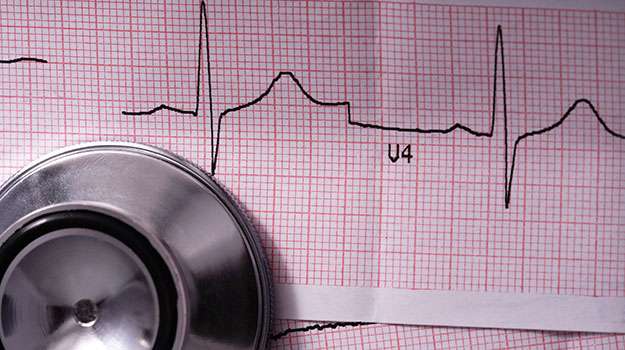
Atrial fibrillation (AFib) ablation is a specialized technique used to treat irregular heartbeats originating from the atria. It targets specific areas in the heart responsible for sending chaotic electrical signals that cause AFib episodes.
- Symptoms can range from palpitations and dizziness to more severe complications like stroke if left untreated.
- Diagnosis incorporates ECGs along with patient history evaluations detailing episode frequency and severity observed over time.
- Treatment usually starts with medication but may progress to catheter ablation when medication fails; this technique destroys tissue causing abnormal impulses through radiofrequency energy or cryotherapy methods as appropriate
The goal of ablation is not only symptom relief but also lowering stroke risk associated with uncontrolled AFib episodes. Successful interventions greatly enhance patients' day-to-day lives through stable heart rhythm restoration.'
HEART BYPASS SURGERY
This major surgery is performed to bypass blocked arteries supplying blood to the heart muscle. By creating new pathways for blood flow, this procedure alleviates symptoms associated with severe coronary artery disease.
- Pain in the chest or jaw during exertion is common among those requiring this intervention; however, silent ischemia can also occur without noticeable symptoms.
- Diagnosis usually involves stress tests alongside angiograms revealing blocked arteries that could benefit from bypassing.
- Treatment involves harvesting veins from other parts of the body or using artificial grafts to reroute blood around blockages effectively.
- A typical recovery involves hospitalization followed by rehabilitation focused on lifestyle modifications promoting cardiovascular health.
Bypass surgery has proven highly effective in reducing angina symptoms while improving quality of life in patients with severe coronary artery disease.
HEART VALVE REPAIR/REPLACEMENT
This surgical intervention addresses issues related to damaged or dysfunctional heart valves. Valvular diseases can lead to significant complications if not treated promptly, affecting overall heart function and patient quality of life.
- The symptoms often involve shortness of breath, swollen ankles, and fatigue due to reduced cardiac output.
- Diagnosis typically includes echocardiograms and other imaging tests that evaluate valve structure and function.
- Treatment options vary—valve repair aims to restore function while replacement uses mechanical or bioprosthetic valves when severe damage exists.
- Post-surgery recovery involves monitoring for any complications and gradually returning to normal activities under medical guidance.
A successful valve procedure can greatly enhance life expectancy and improve overall well-being in affected individuals.
CARDIAC CATHETERIZATION
This diagnostic procedure allows doctors to evaluate the heart's condition by inserting a thin tube into a blood vessel. It's particularly useful for assessing heart function, diagnosing various cardiovascular conditions, and guiding further treatment options.
- Commonly recognized symptoms that may lead to this procedure include persistent chest pain and unusual palpitations.
- Diagnosis typically involves imaging tests alongside catheterization results that show any blockages or abnormalities in the coronary arteries.
- Treatment decisions are based on findings; these might include medication adjustments or surgical interventions if needed.
- The procedure generally requires only local anesthesia, minimizing recovery time and discomfort for most patients.
Cath lab innovations have significantly advanced cardiac care, providing valuable insights for better management strategies.
CORONARY ANGIOPLASTY
Coronary angioplasty is a minimally invasive procedure aimed at restoring blood flow to the heart. This treatment is commonly used for individuals experiencing coronary artery disease, where arteries become narrowed or blocked due to plaque buildup.
- Symptoms may include chest pain, shortness of breath, and fatigue during physical activities.
- The condition is diagnosed using techniques such as angiography, which visualizes the blood vessels in the heart.
- Treatment often involves placing a small balloon in the artery to open it up, sometimes accompanied by a stent to keep it open.
- Post-procedure, patients can expect improved blood flow and reduced symptoms.
- Follow-up care may be necessary to monitor recovery and manage risk factors.
This procedure is essential for those with significant arterial blockages seeking relief from symptoms and improving heart health.