
Dr DEV LAL Solan
About Me
Dr DEV LAL Solan
MD
Diabetologist
10 Years Experience
Biography
My Clinic
OPD Hours
| Monday | Morning | 10:00 AM | - | 02:00 PM |
| Evening | 06:00 PM | - | 09:00 PM | |
| Tuesday | Morning | 10:00 AM | - | 02:00 PM |
| Evening | 06:00 PM | - | 09:00 PM | |
| Wednesday | Morning | 10:00 AM | - | 02:00 PM |
| Evening | 06:00 PM | - | 09:00 PM | |
| Thursday | Morning | 10:00 AM | - | 02:00 PM |
| Evening | 06:00 PM | - | 09:00 PM | |
| Friday | Morning | 10:00 AM | - | 02:00 PM |
| Evening | 06:00 PM | - | 09:00 PM | |
| Saturday | Morning | 10:00 AM | - | 02:00 PM |
| Evening | 06:00 PM | - | 09:00 PM | |
| Sunday | Morning | 10:00 AM | - | 02:00 PM |
| Evening | 06:00 PM | - | 09:00 PM |
Treatments
Specialised care and treatments offered
GESTATIONAL DIABETES MANAGEMENT

This form of diabetes occurs during pregnancy when hormonal changes impair insulin effectiveness. Prompt intervention prevents negative effects on both mother and baby’s health.
- The cause relates to increased insulin resistance developing mid-pregnancy impacting glucose regulation adversely
- Mothers undergo screening tests like oral glucose tolerance test routinely between 24-28 weeks gestation
- Treatments include dietary modifications ensuring consistent carbohydrate intake combined occasionally with medication if required
- CLOSE monitoring of maternal blood sugars alongside fetal growth assessments are essential parts of care
- Aims also focus on preventing complications such as pre-eclampsia, macrosomia (large baby), or delivery difficulties
- A multidisciplinary team provides comprehensive prenatal care addressing both metabolic needs and obstetric surveillance
This targeted management approach improves pregnancy outcomes while reducing long-term risks related to future diabetes development postpartum
PREVENTION AND MANAGEMENT OF DIABETIC NEUROPATHY
Nerve damage caused by prolonged high blood sugar levels can result in diabetic neuropathy—a common complication impacting quality of life significantly if untreated.
- The condition arises due to chronic hyperglycemia damaging nerves particularly in the feet and hands causing numbness or pain symptoms
- A thorough clinical examination along with nerve conduction studies aid diagnosis
- Treatment focuses on stringent blood sugar control coupled with medications for symptom relief like pain reducers or anticonvulsants
- Lifestyle strategies such as quitting smoking, regular exercise, foot care routines help slow progression
- A multidisciplinary approach including specialists optimizes outcomes reducing risks like ulcers or infections
Evolving management techniques aim not only at symptom relief but also at preserving nerve function to maintain mobility and independence among patients affected by neuropathy
INSULIN THERAPY OPTIMIZATION
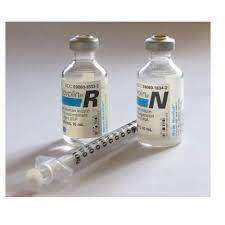
The use of insulin is critical for many people living with diabetes who cannot maintain adequate glycemic control through other measures alone. Optimizing therapy increases effectiveness and safety.
- Causation overview: Lack of insulin production or action leads to elevated blood glucose requiring external supplementation.
- Diagnosis confirmation: Blood tests indicating insufficient endogenous insulin guide therapy initiation or adjustment decisions.
- Treatment approach: Dose timing, type selection (rapid-acting vs basal), injection techniques considered carefully to fit individual needs.
- Monitoring: CLOSE tracking of blood sugar levels essential to prevent low/high extremes when adjusting doses over time.
NUTRITIONAL COUNSELING FOR DIABETIC PATIENTS
A personalized nutritional plan is a cornerstone in managing diabetes effectively. Proper guidance ensures dietary choices support stable blood sugar while meeting individual needs.
- Main points: Focuses on carbohydrate counting, portion control, balanced meals with adequate protein and fiber.
- Causative context: Unhealthy eating habits can worsen glycemic control and increase complication risks.
- Diagnostic assessment: Dietary history evaluation helps tailor recommendations specifically for each patient’s lifestyle and preferences.
- Treatment goals: Achieve target blood sugars without sacrificing nutrition or enjoyment of food through sustainable meal plans.
Nutritional counseling equips patients with knowledge that facilitates long-term adherence to a healthful eating regimen enhancing overall well-being.
CONTINUOUS GLUCOSE MONITORING (CGM)
Continuous Glucose Monitoring technology offers real-time insights into glucose fluctuations throughout the day. It helps patients understand their body's response to various factors easily.
- Symptoms/causes: Useful for those struggling with frequent hypoglycemia or wide glucose variations.
- Diagnosis: CGM devices track glucose via a sensor placed under the skin providing ongoing data.
- Treatment integration: Patients adjust diet, medication, or insulin dosing based on trends shown by CGM data.
- Benefits include: Better glycemic control, reduced episodes of dangerous lows or highs, enhanced awareness of glucose patterns.
This technology empowers patients to make informed decisions daily and supports tailored treatment plans from providers.
LIFESTYLE MODIFICATION FOR TYPE 2 DIABETES
Managing Type 2 diabetes effectively often starts with important lifestyle changes. These adjustments are essential for controlling blood sugar levels and preventing complications.
- Symptoms and causes: Insulin resistance and elevated blood glucose levels characterize this condition.
- Diagnosis: Fasting blood sugar tests, HbA1c levels, and oral glucose tolerance tests identify the disease.
- Treatment options: Emphasis on a balanced diet, regular physical activity, weight loss, and smoking cessation.
- Management: Monitoring blood sugar regularly and adjusting lifestyle continuously with healthcare advice.
- Expectations: Improvements in energy, reduced risk of complications such as neuropathy or retinopathy when adhering to lifestyle guidance.
A proactive approach to daily habits is key for long-term success in diabetes control and overall health improvement.