
Dr Devang Tilak Shah
About Me
Dr Devang Tilak Shah
General Physician
Biography
My Clinic
OPD Hours
| Tuesday | Morning | 10:00 AM | - | 02:00 PM |
| Evening | 06:00 PM | - | 09:00 PM | |
| Wednesday | Morning | 10:00 AM | - | 02:00 PM |
| Evening | 06:00 PM | - | 09:00 PM | |
| Thursday | Morning | 10:00 AM | - | 02:00 PM |
| Evening | 06:00 PM | - | 09:00 PM | |
| Friday | Morning | 10:00 AM | - | 02:00 PM |
| Evening | 06:00 PM | - | 09:00 PM | |
| Saturday | Morning | 10:00 AM | - | 02:00 PM |
| Evening | 06:00 PM | - | 09:00 PM | |
| Sunday | Morning | 10:00 AM | - | 02:00 PM |
| Evening | 06:00 PM | - | 09:00 PM | |
| Thursday | Morning | 10:00 AM | - | 02:00 PM |
| Evening | 06:00 PM | - | 09:00 PM |
Treatments
Specialised care and treatments offered
ANEMIA
Anemia occurs when there aren’t enough healthy red blood cells in the body to carry adequate oxygen throughout tissues leading fatigue weakness pallor among individuals affected. Understanding anemia's roots essential for effective treatment approaches!
so uld not start later than intended if diagnosed early provides better management options based patient history lab evaluations assessing iron levels vitamin deficiencies hemoglobin concentrations determining possible treatment pathways options available!< !!–If applicable provide blood transfusions investigate bone marrow disorders underlying causes limiting effective manufacturing healthy RBCs ultimately ensuring optimal function maintaining overall well-being!.< !!>–Considering regular follow-ups assistance knowledgeable healthcare professionals vital them overcome challenges associated improving quality life struggling against debilitating aspects this condition!< !!>INFLUENZA (FLU)

The flu is an infectious respiratory illness caused by influenza viruses that affects millions each year. It can range from mild to severe and sometimes leads to hospitalization or even death in vulnerable populations.
- Symptoms: Sudden onset of fever chills cough sore throat muscle aches fatigue headache.
- Causes: The virus spreads easily via respiratory droplets when infected individuals cough sneeze talk.
- Diagnosis: Healthcare providers diagnose based on reported symptoms physical examination rapid flu tests available confirm diagnosis.
- Treatment: Antiviral medications reduce duration severity improve recovery outcomes best initiated within two days symptom onset supportive-care critical hydration rest adequate nutrition< . / li >
- What to Expect: Most people recover within one week although residual effects fatigue might linger longer particularly older adults children those underlying conditions< . / li >
Staying vigilant against flu through vaccination annual flu shots significantly decreases risk contracting illness promotes healthier community dynamics overall!
DIABETES MELLITUS

This chronic disease occurs when the body cannot properly process sugar from food into energy. Understanding diabetes is crucial as it impacts various bodily functions significantly if left untreated.
- Symptoms: Increased thirst and hunger along with frequent urination are common early signs of diabetes development.
- Causes:The causes vary depending on type; Type 1 is primarily autoimmune while Type 2 associates with lifestyle factors such as obesity and inactivity.
Taking control of your diabetes journey through education empowers patients toward successful management strategies.
GASTROENTERITIS
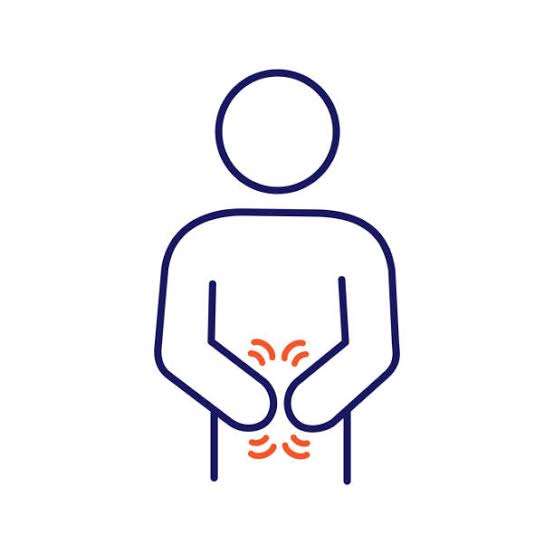
This inflammation of the stomach and intestines commonly presents with symptoms like diarrhea and vomiting. Gastroenteritis can be caused by viruses or bacteria and often spreads through contaminated food or water.
- Symptoms: Diarrhea, abdominal cramps, nausea or vomiting accompanied by fever and fatigue.
- Causes: Viral infections (like norovirus) or foodborne pathogens often trigger gastroenteritis outbreaks in community settings.
- Diagnosis: Diagnosis typically relies on patient history and symptoms; stool tests may be used if infection is suspected.
- Treatment: Focus is mainly on hydration. In more severe cases or when bacterial infection is confirmed, specific medications might be necessary.
If you experience severe symptoms or dehydration signs like dry mouth or extreme thirst, seek medical attention promptly for appropriate care.
ACUTE BRONCHITIS
This respiratory condition is characterized by inflammation of the bronchial tubes and often follows a viral infection like the common cold. Acute bronchitis can cause discomfort but is typically self-limiting.
- Symptoms: A persistent cough, wheezing, fatigue, and mild fever are common signs of this condition.
- Causes: Viral infections are the primary cause; however, exposure to irritants such as smoke or pollution can contribute to its development.
- Diagnosis: Diagnosis usually involves a physical exam and reviewing symptoms. In some cases, further tests may be conducted to rule out other conditions.
- Treatment: Resting, staying hydrated, and using over-the-counter medications for symptom relief are standard recommendations; antibiotics are rarely needed unless there's a secondary bacterial infection.
- What to Expect: Symptoms generally improve within a few weeks with proper care; however, coughing may linger longer in some patients.
If you suspect acute bronchitis, it’s wise to consult with a healthcare provider for optimal recovery guidance.
HYPERTENSION
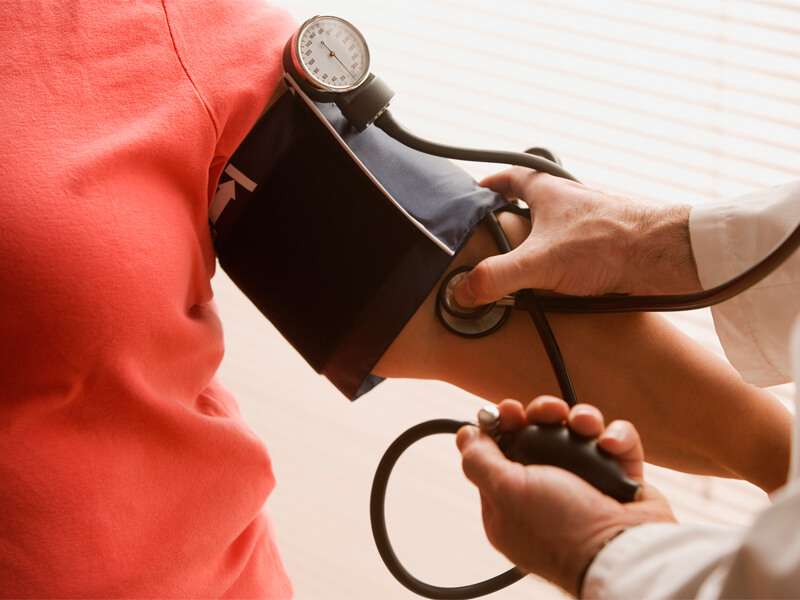
Hypertension, often known as high blood pressure, is a prevalent condition that can lead to serious health issues if left unmanaged. This condition typically develops over many years and may go unnoticed until it causes complications.
- Symptoms: Many patients experience no symptoms, but some may have headaches, shortness of breath, or nosebleeds.
- Causes: Common triggers include obesity, a high-salt diet, sedentary lifestyle, and genetic factors.
- Diagnosis: Blood pressure readings are taken during a clinical evaluation. Additional tests may be recommended to assess overall health.
- Treatment: Management includes lifestyle changes like diet and exercise, alongside antihypertensive medications if necessary.
- What to Expect: Regular monitoring is crucial. With effective management, individuals can live healthy lives and reduce their risk of heart disease and stroke.
Being proactive about hypertension can greatly improve quality of life. Regular check-ups with a physician for monitoring are essential.