
Dr Devendra Chaddha
About Me
Dr Devendra Chaddha
BDS
Dentist
10 Years Experience
Biography
My Clinic
OPD Hours
| Monday | Morning | 10:00 AM | - | 02:00 PM |
| Evening | 06:00 PM | - | 09:00 PM | |
| Tuesday | Morning | 10:00 AM | - | 02:00 PM |
| Evening | 06:00 PM | - | 09:00 PM | |
| Wednesday | Morning | 10:00 AM | - | 02:00 PM |
| Evening | 06:00 PM | - | 09:00 PM | |
| Thursday | Morning | 10:00 AM | - | 02:00 PM |
| Evening | 06:00 PM | - | 09:00 PM | |
| Friday | Morning | 10:00 AM | - | 02:00 PM |
| Evening | 06:00 PM | - | 09:00 PM | |
| Saturday | Morning | 10:00 AM | - | 02:00 PM |
| Evening | 06:00 PM | - | 09:00 PM | |
| Sunday | Morning | 10:00 AM | - | 02:00 PM |
| Evening | 06:00 PM | - | 09:00 PM |
Treatments
Specialised care and treatments offered
COSMETIC DENTISTRY PROCEDURES
The field of cosmetic dentistry encompasses various procedures aimed at improving dental aesthetics. Services like whitening treatments, veneers placement, bonding repairs are designed specifically with patient preferences in mind!
- Common desires include straighter smiles & whiter shades often resulting from lifestyle habits over time (smoking/drinking coffee) leading towards discoloration issues!
- Comprehensive evaluations will gauge existing conditions allowing personalized recommendations tailored directly based upon patient needs!
- From applying light-activated bleaching agents onto enamel surfaces down-to adhering porcelain shells representing ideal forms across imperfectly shaped ones—there’s plenty available!
- Many patients experience temporary sensitivity following some treatments while adjusting accordingly afterward into routines easily manageable!
- The transformative outcomes become very rewarding; self-expression flourishes alongside newfound confidence levels soaring thereafter as smiles truly brighten everyone’s day!
ORTHODONTIC TREATMENTS
Orthodontic treatments focus on correcting misaligned teeth and jaws using braces or clear aligners. These adjustments help improve both aesthetic appearance and functional capabilities regarding biting or speaking effectively!
- Symptoms often incorporate crowded teeth , gaps between them , overbites , underbites , etc .
- Initial assessments conducted by your dentist would include visual examinations & diagnostic imaging techniques (e.g., cephalometric X-rays) .
- Management options could encompass conventional braces (metal), lingual braces (behind-the-teeth), & modern-day clear aligners which provide discreet yet effective repositioning .
- Patients might feel mild soreness as they begin wearing new appliances ; however , over time adaptation occurs naturally .
- Frequent monitoring allows necessary adjustments throughout therapy ensuring optimal results achieved within estimated timelines .
Ultimately ; successful orthodontics enhances overall oral health alongside creating confident smiles!
WISDOM TEETH EXTRACTIONS
The extraction of wisdom teeth is often necessary when these third molars do not properly erupt or become impacted. This procedure helps alleviate overcrowding and prevent future dental issues related to misalignment.
- Sufferers often report soreness, swelling near the back of their mouth, or even headaches as early signs that wisdom teeth might require removal.
- Your dentist typically diagnoses this condition through X-rays revealing the positioning of wisdom teeth relative to other dental structures.
- The extraction itself can be performed under local anesthesia or sedation depending on complexity; it usually entails removing gum tissue covering impacted areas as well as careful extraction of each tooth. - Recovery may involve swelling and moderate discomfort managed effectively with prescribed medications; follow-up checks are important during this phase.
/l>]]>- Removing these troublesome molars prevents potential complications such as infection or damage to neighboring teeth.
/l>]
This surgical intervention significantly improves oral hygiene opportunities by eliminating problem areas prone to decay.
PERIODONTAL SURGERY
Periodontal surgery is performed to treat advanced gum disease that has not improved with nonsurgical treatments. The aim is to restore health to the supporting structures around teeth to prevent tooth loss.
- The primary symptoms include swollen gums, persistent bad breath, and loose teeth due to periodontal disease progression.
- An accurate diagnosis involves clinical evaluations along with probing depth measurements to assess gum health.
- Surgical options may include flap surgery or bone grafting to restore lost tissue or bone around teeth affected by periodontitis.
- A typical recovery period requires several days away from strenuous activities while monitoring any discomfort using prescribed pain relievers.
- This procedure aims not just at immediate improvement but also at long-term health maintenance through regular follow-ups and good oral hygiene practices.
DENTAL IMPLANTS
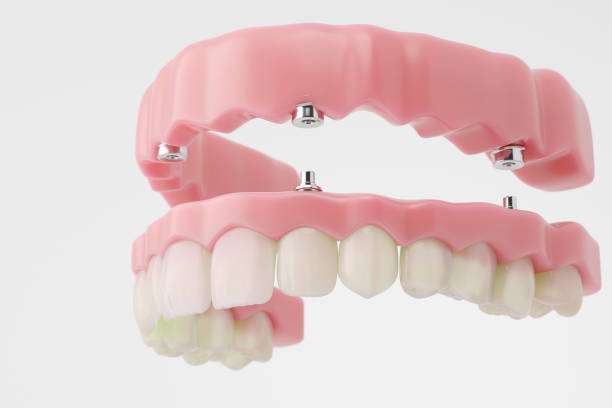
Dental implants serve as an innovative solution for replacing missing teeth, offering both aesthetic and functional benefits. They consist of titanium posts surgically inserted into the jawbone that act as artificial roots for replacement teeth.
- The key symptoms indicating the need for implants include missing teeth and difficulty chewing.
- A thorough oral examination including X-rays is vital for diagnosing suitability for implants based on bone density.
- Treatment can involve multiple visits: implant placement surgery, healing time where osseointegration occurs, followed by placement of artificial crowns.
- Pain management during recovery typically involves over-the-counter medications; however, individual pain thresholds vary.
- Once fully healed, implants function like natural teeth with proper maintenance required to ensure longevity.
This state-of-the-art procedure can significantly enhance quality of life and boost self-confidence in individuals with missing teeth.
ROOT CANAL TREATMENT
Root canal treatment is a crucial procedure aimed at saving a tooth that is severely decayed or infected. It involves the removal of the infected pulp inside the tooth, followed by cleaning, disinfecting, and sealing the space.
- Symptoms of needing a root canal often include severe toothache, prolonged sensitivity to hot or cold, and swelling in nearby gums.
- A dentist diagnoses the condition through X-rays and a clinical examination to determine the extent of decay or infection.
- Treatment typically consists of local anesthesia, removal of the pulp, cleaning of the canal system, and then filling and sealing it.
- Patients can expect some discomfort post-treatment but significant pain relief once the infection is resolved.
- Afterward, a crown may be placed on the tooth for added strength.
This treatment is highly effective in preserving natural teeth and preventing further complications.