
Dr Devendra Kumar
About Me
Dr Devendra Kumar
MD
Cardiologist
10 Years Experience
Biography
My Clinic
OPD Hours
| Monday | Morning | 10:00 AM | - | 02:00 PM |
| Evening | 06:00 PM | - | 09:00 PM | |
| Tuesday | Morning | 10:00 AM | - | 02:00 PM |
| Evening | 06:00 PM | - | 09:00 PM | |
| Wednesday | Morning | 10:00 AM | - | 02:00 PM |
| Evening | 06:00 PM | - | 09:00 PM | |
| Thursday | Morning | 10:00 AM | - | 02:00 PM |
| Evening | 06:00 PM | - | 09:00 PM | |
| Friday | Morning | 10:00 AM | - | 02:00 PM |
| Evening | 06:00 PM | - | 09:00 PM | |
| Saturday | Morning | 10:00 AM | - | 02:00 PM |
| Evening | 06:00 PM | - | 09:00 PM | |
| Sunday | Morning | 10:00 AM | - | 02:00 PM |
| Evening | 06:00 PM | - | 09:00 PM |
Treatments
Specialised care and treatments offered
LIFESTYLE COUNSELING FOR CARDIOVASCULAR HEALTH

Lifestyle counseling focuses on empowering patients with knowledge about personal habits that influence cardiovascular well-being. Prevention through education plays an essential role in reducing disease burden across populations.
HEART FAILURE MONITORING
Heart failure occurs when the heart cannot pump blood efficiently enough to meet bodily needs. Proper monitoring allows management aimed at symptom control and slowing disease progression.
- The condition may arise from prior heart attacks, chronic hypertension or cardiomyopathies affecting cardiac muscle strength/functionality adversely impacting output volume).
- Symptoms include breathlessness on exertion or lying flat,swelling in legs/abdomen,fatigue,and rapid heartbeat prompting prompt clinical evaluation).
- Diagnosis employs imaging techniques like echocardiography combined with blood biomarkers measurement eg BNP/NT-proBNP levels reflecting cardiac strain).
CORONARY ARTERY DISEASE PREVENTION
Coronary artery disease (CAD) develops when plaque builds up inside coronary arteries reducing blood flow to the heart muscle. Preventative efforts focus on minimizing risk factors before significant damage occurs.
- Main contributors include high cholesterol levels, hypertension, smoking, diabetes mellitus, obesity, and sedentary lifestyle.
- Lifestyle changes such as balanced diet rich in fruits/vegetables/whole grains alongside regular aerobic exercise are frontline prevention methods.
- Meds like aspirin or statins may be advised for those at elevated risk based on clinical evaluation and family history analysis.
- Screening tests including ECGs or stress tests help identify early signs warranting closer medical supervision or intervention.
A proactive approach combining healthy habits with appropriate medical care significantly lowers CAD incidence and improves long-term cardiac function preservation.
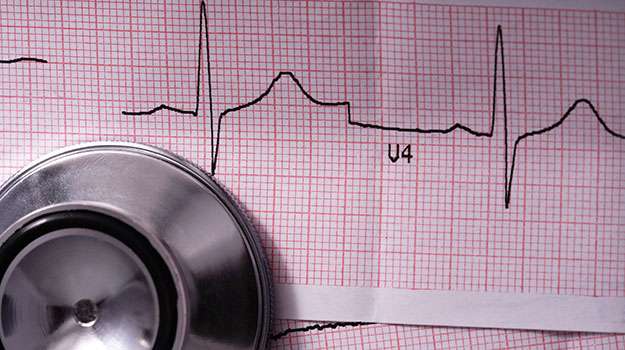
ELECTROCARDIOGRAM (ECG) TESTING
An electrocardiogram (ECG) is a non-invasive diagnostic tool used to evaluate the electrical activity of the heart. It helps detect abnormalities in heart rhythm that could indicate underlying cardiovascular conditions.
- The test records electrical impulses generated by cardiac muscle contractions via electrodes placed on the skin.
- An ECG can reveal arrhythmias, ischemia (reduced blood flow), previous heart attacks, or structural changes in the heart chambers.
- It is quick, painless, and often used during routine checkups or when symptoms like chest pain or palpitations occur.
- If abnormalities are found, further tests such as echocardiography or stress testing might be recommended for comprehensive assessment.
This diagnostic measure plays a crucial part in early detection of cardiac problems facilitating timely treatment interventions for better outcomes.
CHOLESTEROL SCREENING
Monitoring cholesterol levels is a key aspect of cardiovascular health assessment. Elevated cholesterol can contribute to plaque buildup in arteries, increasing the risk of heart diseases.
- Screening involves a simple blood test called a lipid panel that measures LDL, HDL, total cholesterol, and triglycerides.
- A high LDL (bad cholesterol) or low HDL (good cholesterol) level signals increased risk for arterial blockages.
- Lifestyle habits such as diet high in saturated fats and inactivity are major contributors to abnormal cholesterol profiles.
- Treatment includes dietary counseling, regular physical activity, and when necessary, statin or other lipid-lowering drugs prescribed by specialists.
- The goal is to maintain favorable cholesterol levels to prevent atherosclerosis and related cardiac events.
Regular cholesterol checks allow timely interventions that support heart health and reduce the chance of complications down the road.
HYPERTENSION MANAGEMENT
High blood pressure, or hypertension, is a common cardiovascular condition that can lead to serious health complications if left untreated. Managing blood pressure effectively helps reduce the risk of heart attack, stroke, and kidney disease.
- Causes include lifestyle factors like diet, stress, obesity, and genetics.
- Symptoms often go unnoticed; regular screening is essential for detection.
- Diagnosis involves measuring blood pressure using a sphygmomanometer and may require multiple readings over time.
- Treatment strategies include lifestyle modifications such as a low-sodium diet, exercise, weight control, and prescribed antihypertensive medications.
- Monitoring compliance with treatment plans and regular follow-ups are critical to keeping blood pressure within safe ranges.
Proper management of hypertension through early intervention and ongoing care plays a vital role in preventing long-term cardiovascular damage and maintaining overall wellness.