
Dr Devendra Kumar
About Me
Dr Devendra Kumar
Cardiologist
Biography
My Clinic
OPD Hours
| Monday | Morning | 10:00 AM | - | 02:00 PM |
| Evening | 06:00 PM | - | 09:00 PM | |
| Tuesday | Morning | 10:00 AM | - | 02:00 PM |
| Evening | 06:00 PM | - | 09:00 PM | |
| Wednesday | Morning | 10:00 AM | - | 02:00 PM |
| Evening | 06:00 PM | - | 09:00 PM | |
| Thursday | Morning | 10:00 AM | - | 02:00 PM |
| Evening | 06:00 PM | - | 09:00 PM | |
| Friday | Morning | 10:00 AM | - | 02:00 PM |
| Evening | 06:00 PM | - | 09:00 PM | |
| Saturday | Morning | 10:00 AM | - | 02:00 PM |
| Evening | 06:00 PM | - | 09:00 PM | |
| Sunday | Morning | 10:00 AM | - | 02:00 PM |
| Evening | 06:00 PM | - | 09:00 PM |
Treatments
Specialised care and treatments offered
PERIPHERAL ARTERY DISEASE

Peripheral artery disease (PAD) affects circulation by narrowing the arteries that supply blood to the limbs. It often leads individuals feeling pain during physical activities due to reduced blood flow but remains underdiagnosed due to lack of awareness about its significance
- PAD typically presents with symptoms such as leg pain when walking (intermittent claudication), numbness or weakness in legs or buttocks after activity brisk walking/running might aggravate these sensations even further
- Diagnosis generally involves physical examinations assessing pulse rates alongside imaging techniques like Doppler ultrasound providing insights into arterial blockages
- Treatment focuses on lifestyle alterations encouraging quitting smoking alongside engaging in exercise regimens designed specifically helping improve circulation eventually patients receive access prescribed medication enhance their overall cardiovascular risk management
- Continual monitoring allows adjustments needed ensuring successful long-term symptom management promoting better quality life
Timely interventions regarding peripheral artery disease not only enhance mobility but considerably decrease chances heart attacks strokes associated circulatory disorders
HIGH CHOLESTEROL
High cholesterol is a significant risk factor for developing cardiovascular diseases because it leads to plaque buildup in arteries. It's essential for individuals to be aware of their cholesterol levels for early intervention.
- The condition usually presents no symptoms; however, it increases risks for serious problems such as heart disease and stroke over time if untreated.
- A healthcare provider diagnoses high cholesterol primarily through lipid panel blood tests measuring overall cholesterol levels—both LDL (bad cholesterol) and HDL (good cholesterol).
- Treatment approaches include dietary changes aimed at reducing saturated fats while increasing fiber intake; statin medications may also be prescribed if lifestyle modifications alone are insufficient in controlling levels.
- An ongoing assessment of cholesterol through routine check-ups ensures that management strategies remain effective in preventing long-term health complications associated with high cholesterol levels.
A proactive approach toward maintaining healthy cholesterol levels promotes better cardiovascular health overall.
ATRIAL FIBRILLATION
Atrial fibrillation (AFib) is an irregular heartbeat that can increase the risk of strokes and other heart-related complications. AFib often goes undiagnosed since not everyone experiences noticeable symptoms.
- Symptoms when they occur may include palpitations (a racing or fluttering feeling), weakness or fatigue during exertion, dizziness, or fainting spells.
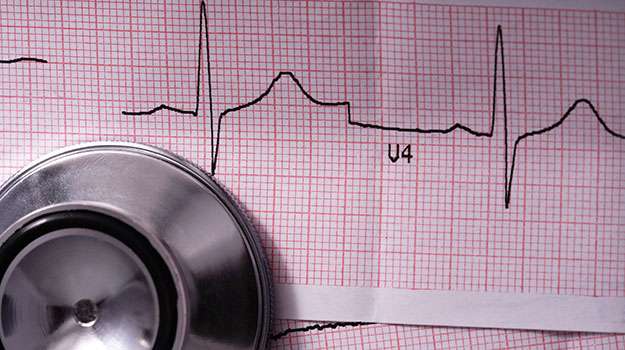
- A diagnosis usually involves an electrocardiogram (ECG) which measures the electrical activity of the heart to identify any irregularities in rhythm.
- Treatment options vary from lifestyle changes to more invasive procedures; medications are commonly used to control heart rate and prevent clot formation. In some cases, cardioversion or ablation procedures might be recommended for restoration of normal rhythm.
- Regular follow-ups are crucial for adjusting treatment plans based on individual responses over time.
Early detection along with tailored treatment plays a vital role in managing atrial fibrillation effectively.
HEART FAILURE
Heart failure is a serious condition where the heart cannot pump efficiently enough to maintain adequate blood flow to meet the body's needs. It can result from various factors including coronary artery disease and hypertension.
- Individuals may experience symptoms like fatigue, fluid retention leading to swelling in the legs or abdomen, breathlessness during activity or at rest.
- This condition is typically diagnosed through physical exams, echocardiograms, and blood tests measuring certain biomarkers indicating heart function.
- Treatment focuses on lifestyle adjustments—such as reduced salt intake—alongside medications like ACE inhibitors and beta-blockers. In advanced cases, devices like pacemakers may be required.
- Caring for a patient with heart failure involves continuous monitoring of symptoms and medication adherence for optimal management.
With appropriate treatment strategies in place, individuals with heart failure can lead fulfilling lives despite their diagnosis.
CORONARY ARTERY DISEASE
Coronary artery disease occurs when the coronary arteries become narrowed or blocked due to plaque buildup. This condition can limit blood flow to the heart muscle, leading to various symptoms and complications.
- Common symptoms include chest pain (angina), shortness of breath, fatigue during exertion, and in severe cases, heart attack.
- A healthcare professional diagnoses the condition through tests such as stress tests, coronary angiograms, or CT scans.
- Treatment may involve lifestyle modifications like quitting smoking or dietary changes, along with medications such as statins or antiplatelet agents. In some cases, surgical interventions like angioplasty may be necessary.
- Monitoring heart health regularly is essential for managing this chronic condition effectively.
Being proactive about coronary artery disease can significantly improve outcomes for those affected by it.
HYPERTENSION
Hypertension, or high blood pressure, is a common condition that can lead to serious complications if left unmanaged. It often develops over many years and can go unnoticed until it causes significant health issues.
- Symptoms may include headaches, shortness of breath, or nosebleeds, but many people experience no symptoms at all.
- Diagnosis typically involves regular monitoring of blood pressure readings during doctor visits.
- Treatment options include lifestyle changes such as improved diet and exercise, medications like diuretics and ACE inhibitors, and regular follow-up appointments to monitor blood pressure levels.
- Managing hypertension effectively requires a commitment to healthy living and adherence to prescribed treatments.
By understanding and managing hypertension, patients can significantly reduce their risk of heart disease and stroke.