
DR Devendra Puroh
About Me
DR Devendra Puroh
MS
Orthopaedic Surgeons
10 Years Experience
Biography
My Clinic
OPD Hours
| Monday | Morning | 10:00 AM | - | 02:00 PM |
| Evening | 06:00 PM | - | 09:00 PM | |
| Tuesday | Morning | 10:00 AM | - | 02:00 PM |
| Evening | 06:00 PM | - | 09:00 PM | |
| Wednesday | Morning | 10:00 AM | - | 02:00 PM |
| Evening | 06:00 PM | - | 09:00 PM | |
| Thursday | Morning | 10:00 AM | - | 02:00 PM |
| Evening | 06:00 PM | - | 09:00 PM | |
| Friday | Morning | 10:00 AM | - | 02:00 PM |
| Evening | 06:00 PM | - | 09:00 PM | |
| Saturday | Morning | 10:00 AM | - | 02:00 PM |
| Evening | 06:00 PM | - | 09:00 PM | |
| Sunday | Morning | 10:00 AM | - | 02:00 PM |
| Evening | 06:00 PM | - | 09:00 PM |
Treatments
Specialised care and treatments offered
BONE FRACTURE MANAGEMENT
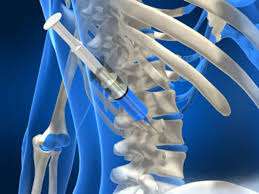
The management of bone fractures encompasses various techniques aimed at restoring functionality while ensuring optimal healing. Whether through immobilization with casts or surgical intervention like internal fixation, proper care fosters recovery across different fracture types..
TRIGGER FINGER RELEASE

Trigger finger release is a surgical technique aimed at alleviating discomfort caused by stenosing tenosynovitis—a condition where fingers become locked in bent positions due to inflammation. This outpatient procedure can yield significant symptom relief for affected individuals.
- Main symptoms include difficulty straightening fingers along with painful clicking sensations during movement 'Physical examinations, supplemented by ultrasound assessments when necessary, help confirm diagnoses before proceeding with surgery.
- The release technique involves cutting the tightened ligament layer responsible for restriction within the digital sheath
- Many patients express quick relief after surgery coupled with gradual regain of function through consistent rehabilitation efforts
This simple yet effective procedure enables individuals to restore hand function without long-lasting complications or excessive downtime
JOINT INJECTIONS

Joint injections serve as a therapeutic option for managing pain associated with various musculoskeletal conditions. This treatment can effectively deliver medication directly into joints suffering from inflammation or degeneration.
- Commonly treated symptoms include severe joint pain and stiffness affecting daily activities.
- A careful evaluation accompanied by diagnostic imaging guides physicians in choosing appropriate injection sites for optimal results.
- Treatment may involve corticosteroids or hyaluronic acid-based solutions designed to alleviate swelling and improve joint lubrication respectively.
- Most patients experience significant relief quickly; however, results can vary based on individual circumstances and underlying conditions.
This targeted approach not only enhances mobility but also decreases reliance on oral medications, allowing patients greater control over their condition without major interventions.
MINIMALLY INVASIVE SPINE SURGERY

Minimally invasive spine surgery (MISS) is an innovative procedure aimed at treating spine-related issues while minimizing tissue damage. With smaller incisions than traditional surgeries, MISS promotes faster recovery times and reduced post-operative pain.
- The indications for this type of surgery may include herniated discs or spinal stenosis presenting as back pain or leg weakness.
- A thorough assessment through physical exams and advanced imaging techniques helps confirm diagnosis prior to intervention.
- Treatment typically involves decompressing nerve roots or stabilizing segments of the spine depending on individual needs.
- Pain management strategies after surgery are tailored to enhance comfort during recovery while keeping mobility in focus.
This method offers patients a chance at regaining quality of life swiftly while enjoying significant advantages over conventional approaches in terms of healing time and outcomes.
PLATELET-RICH PLASMA (PRP) THERAPY

Platelet-rich plasma (PRP) therapy harnesses the body's natural healing capabilities by using components from your own blood. This treatment has gained popularity for its application in orthopedic conditions such as tendinitis or joint pain.
- This approach targets symptoms like chronic pain and inflammation in joints or soft tissues.
- Diagnosis usually includes a comprehensive evaluation followed by imaging studies like ultrasound for precise guidance.
- The treatment involves drawing blood from the patient, processing it to concentrate the platelets, and injecting this solution into the affected area.
- Patients may notice improvements over several weeks as tissue regeneration occurs after treatment.
- This minimally invasive option reduces recovery time and often avoids more invasive surgical procedures.
Ultimately, PRP therapy provides a promising avenue for those seeking relief from chronic orthopedic issues with minimal downtime.
ARTHROSCOPIC KNEE SURGERY

Arthroscopic knee surgery is a minimally invasive procedure designed to diagnose and treat various knee problems. It involves the use of an arthroscope, a small camera that allows the surgeon to see inside the joint without making large incisions.
- Symptoms that may indicate the need for surgery include persistent knee pain, swelling, and stiffness.
- The diagnosis typically involves a physical examination, X-rays, or MRI scans to assess the condition of the knee.
- Treatment options include repairing damaged cartilage, removing loose fragments, or reconstructing ligaments.
- Post-surgery, patients can expect a quicker recovery due to reduced trauma to surrounding tissues.
- Physical therapy is often recommended to restore strength and mobility in the joint following the procedure.
This technique offers patients an effective solution with less pain and faster healing times compared to traditional open surgery.