
Dr Devesh Tiwari
About Me
Dr Devesh Tiwari
MBBS
General Physician
41 Years Experience
Biography
My Clinic
OPD Hours
| Monday | Morning | 09:00 AM | ||
| Evening | 09:00 PM | |||
| Tuesday | Morning | 09:00 AM | ||
| Evening | 09:00 PM | |||
| Wednesday | Morning | 09:00 AM | ||
| Evening | 09:00 PM | |||
| Thursday | Morning | 09:00 AM | ||
| Evening | 09:00 PM |
Treatments
Specialised care and treatments offered
CARDIOVASCULAR RISK ASSESSMENT
Caring for your heart entails understanding various risk factors that contribute to cardiovascular diseases (CVD). Routine assessments can serve as preventative measures against potential heart-related issues in the future!
THYROID DISORDERS MANAGEMENT

Your thyroid plays a crucial role in regulating metabolism through hormone production. Disorders affecting this gland can lead to significant health issues if left untreated.
- Main Types & Symptoms: Common disorders include hypothyroidism (underactive thyroid leading to fatigue) and hyperthyroidism (overactive thyroid causing weight loss). Other symptoms may include rapid heartbeat, bloating, and mood swings.
GASTROESOPHAGEAL REFLUX DISEASE (GERD)

The gastroesophageal reflux disease (GERD) is a chronic digestive condition where stomach acid repeatedly flows back into the esophagus causing irritation and discomfort. Understanding GERD's implications can greatly enhance life quality when managing this ailment effectively.
- Symptoms and Causes: Heartburn is the hallmark symptom; other signs include regurgitation of food or sour liquid and difficulty swallowing. Factors contributing to GERD may involve obesity, pregnancy, smoking, or certain foods that relax the lower esophageal sphincter.
- Diagnosis: Diagnosis often involves a physical exam alongside questions about symptom history; further tests like an endoscopy may be done if needed for confirmation.
Treatment ranges from lifestyle modifications such as dietary adjustments to medications aimed at reducing stomach acid production. In some cases where lifestyle changes fail, surgical options exist which could provide long-term relief from symptoms associated with GERD.
RESPIRATORY INFECTION TREATMENT
Respiratory infections encompass illnesses ranging from the common cold to more severe conditions like pneumonia. Early recognition and treatment are essential for preventing complications.
- Symptoms and Causes: Symptoms often include cough, fever, sore throat, and difficulty breathing. These infections can be caused by viruses or bacteria that thrive in crowded environments or during cold weather.
- Diagnosis: A thorough medical history combined with a physical examination assists in identifying the type of infection present; sometimes imaging studies like X-rays are necessary.
- Treatment Options: Viral infections typically resolve on their own; however, bacterial infections may require antibiotics for full recovery. Supportive care such as hydration and rest is also advised.
Persistent symptoms warrant further evaluation to rule out underlying chronic conditions that might complicate recovery efforts.
DIABETES CARE

Diabetes mellitus is a metabolic disorder characterized by elevated blood sugar levels over prolonged periods. This condition requires ongoing management to prevent complications such as cardiovascular issues and neuropathy.
- Symptoms and Causes: Common signs include increased thirst, frequent urination, fatigue, and blurred vision. Type 1 diabetes often arises during childhood or adolescence, while Type 2 is more prevalent among adults associated with obesity and inactivity.
- Diagnosis: Glucose testing through fasting blood samples or A1C tests help determine blood sugar control over time.
- Treatment Options: Management includes lifestyle changes like diet and exercise along with insulin therapy or oral medications as required.
- Monitoring: Routine checks of glucose levels are vital for effective management of the disease.
A proactive approach allows individuals living with diabetes to minimize health risks and improve their quality of life significantly.
HYPERTENSION MANAGEMENT
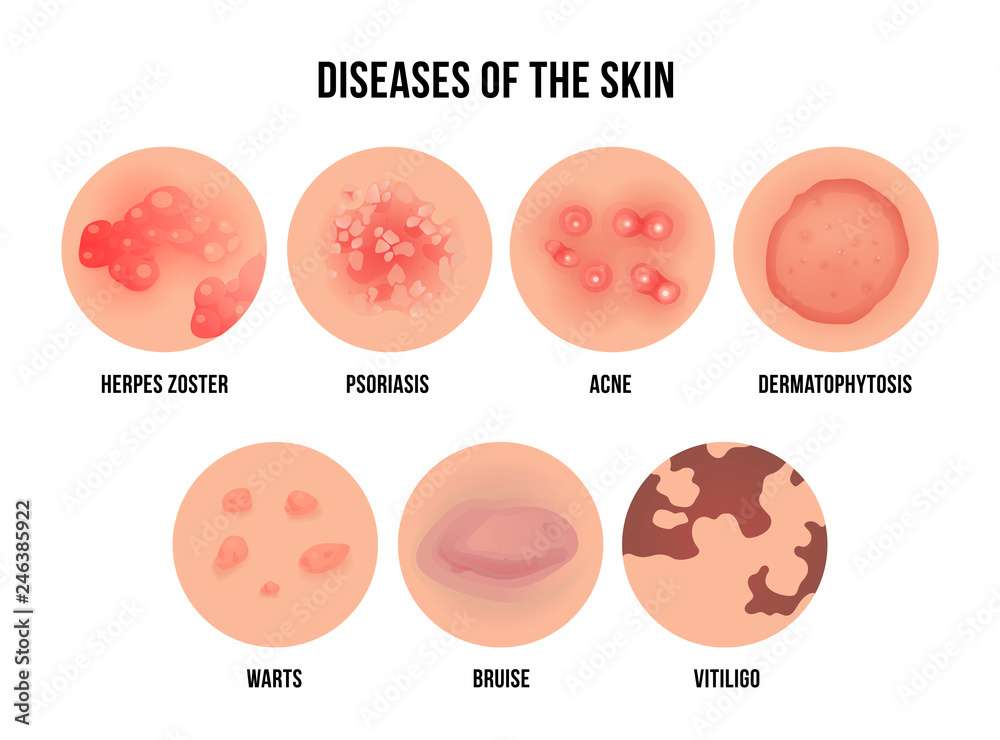
Hypertension, or high blood pressure, is a common condition that can lead to serious health complications if not managed effectively. It often goes unnoticed due to its asymptomatic nature until significant damage occurs.
- Symptoms and Causes: Many patients experience no symptoms. However, severe cases may lead to headaches, nosebleeds, or shortness of breath. Risk factors include obesity, lack of physical activity, smoking, and excessive alcohol consumption.
- Diagnosis: Blood pressure readings taken during routine check-ups can indicate hypertension. Additional tests may include blood tests or an ECG for a more comprehensive evaluation.
- Treatment Options: Lifestyle changes such as dietary modifications and regular exercise are crucial. In many cases, medication may be necessary to maintain normal blood pressure levels.
- Management: Regular monitoring helps in adjusting treatment plans as needed. Patients should be encouraged to adopt preventive measures.
- What to Expect: With proper management, most individuals with hypertension can lead healthy lives without significant restrictions.
Timely intervention is key in preventing complications associated with this condition, making regular check-ups essential.