
DR Dhabhade Sunil Ramchandra
About Me
DR Dhabhade Sunil Ramchandra
Cardiologist
Biography
My Clinic
OPD Hours
| Tuesday | Morning | 10:00 AM | - | 02:00 PM |
| Evening | 06:00 PM | - | 09:00 PM | |
| Wednesday | Morning | 10:00 AM | - | 02:00 PM |
| Evening | 06:00 PM | - | 09:00 PM | |
| Thursday | Morning | 10:00 AM | - | 02:00 PM |
| Evening | 06:00 PM | - | 09:00 PM | |
| Friday | Morning | 10:00 AM | - | 02:00 PM |
| Evening | 06:00 PM | - | 09:00 PM | |
| Saturday | Morning | 10:00 AM | - | 02:00 PM |
| Evening | 06:00 PM | - | 09:00 PM | |
| Sunday | Morning | 10:00 AM | - | 02:00 PM |
| Evening | 06:00 PM | - | 09:00 PM | |
| Thursday | Morning | 10:00 AM | - | 02:00 PM |
| Evening | 06:00 PM | - | 09:00 PM |
Treatments
Specialised care and treatments offered
CARDIAC CATHETERIZATION

Cardiac Catheterization is an intricate procedure allowing doctors access to coronary arteries through specially designed catheters. This method assists both in diagnosis and treatment of various cardiovascular conditions efficiently while minimizing invasiveness where possible!
- Symptoms indicating testing might entail persistent angina or unexplained exertional dyspnea.
- During catheterization contrast dye injected aids visualization via X-ray imaging enabling identification blockages narrowing arterial walls task < em /> clearly defined prior.
- Upon discovery dysfunctional areas treatment recommendations often involve balloon angioplasty stenting open-heart surgery depending severity decision-making process guiding significant results
- Recovery follows relatively quick aftercare observing usual guidelines ensuring comfort home shortly thereafter once stabilized appointment set personal preferences managing follow-ups latterly too with peace assurance provided safely navigating onward...>
Ultimately leads quicker resolution possible challenges pertaining individual health progress investing into one’s future success transformational journey over time too generally!
TRANSESOPHAGEAL ECHOCARDIOGRAM (TEE)
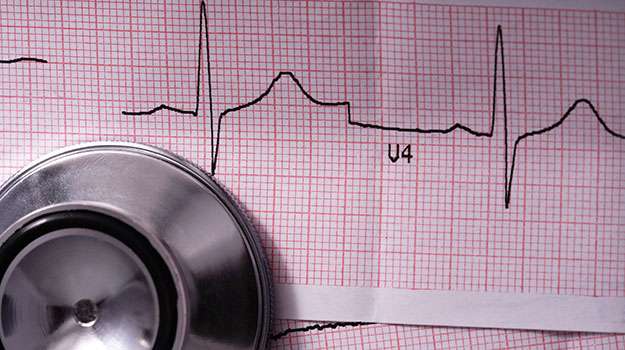
A Transesophageal Echocardiogram (TEE) offers detailed images of the heart by using a specialized probe inserted into the esophagus. This method provides clearer views than traditional echocardiograms due to its proximity to the heart structure without interference from lung tissue or ribs.
- This test is typically recommended if there’s suspicion of structural issues not detected via other methods , such as valve problems or blood clots.
- The process starts with sedation; patients then undergo monitoring while the probe captures real-time images of their heart's chambers and valves.
- Depending on findings from TEE results could lead to different treatment plans ranging from monitoring to more aggressive interventions like surgery.
- Post-procedure recovery generally requires only a few hours before heading home after being assessed once again by staff.
This advanced technique enhances diagnostic accuracy significantly in complex cases requiring thorough examination.
HOLTER MONITOR
A Holter Monitor is a portable device used to continuously record the heart's electrical activity over 24-48 hours. This tool aids in diagnosing arrhythmias or other intermittent cardiac issues that might not appear during standard evaluations.
- Symptoms prompting this test may include palpitations, dizziness, or episodes of fainting without clear causes.
- The monitor works by attaching electrodes to your chest which transmit data to a recording device worn on a belt or shoulder strap.
- Treatment may vary based on findings; options may include lifestyle changes or specific medications aimed at regulating heart rhythm.
- Daily activities can usually continue as normal while wearing the monitor; patients must maintain a diary detailing any symptoms during the monitoring period for better analysis later on.
This method provides invaluable insights into cardiac health over an extended timeframe beyond standard office visits.
CARDIAC STRESS TEST
A Cardiac Stress Test assesses how well your heart performs under physical stress. This evaluation helps identify underlying cardiac conditions that might not be evident at rest.
- Patients may experience symptoms like chest discomfort or abnormal heart rhythms during exertion on a treadmill or stationary bike.
- Healthcare providers monitor heart rate, blood pressure, and electrocardiographic changes throughout the test for accurate diagnosis.
- If abnormalities are detected, treatment options could involve lifestyle modifications or specific medications tailored to your condition.
- The tests generally last 10-15 minutes with additional preparation time beforehand; patients should wear comfortable clothing and shoes suitable for exercise.
This assessment is key in determining one's fitness for physical activity and tailoring appropriate cardiac rehabilitation strategies afterward.
ECHOCARDIOGRAM
An Echocardiogram is a non-invasive ultrasound test that provides real-time images of the heart's structure and function. It's essential for diagnosing various cardiac conditions without exposure to radiation.
- Common indications for this test include irregular heartbeat, heart murmurs, or unexplained fatigue.
- The examination evaluates heart chambers, valves, and overall function using high-frequency sound waves.
- Treatment insights gained can lead to medication adjustments or surgical interventions if needed.
- The procedure typically lasts around 30-60 minutes and does not require special preparation for patients.
- Results are usually available shortly after the test, providing immediate guidance on further management steps.
This imaging technique plays a crucial role in comprehensive cardiovascular assessments.
CORONARY ANGIOGRAPHY
Coronary Angiography is a critical diagnostic procedure that helps identify blockages in the coronary arteries. This test uses contrast dye and advanced imaging techniques to visualize blood flow through the heart.
- Symptoms associated with coronary artery issues include chest pain, shortness of breath, and fatigue.
- Diagnosis typically involves an initial physical examination, followed by imaging tests such as an angiogram.
- Treatment options can range from lifestyle changes and medication to more invasive procedures like angioplasty or stenting.
- The procedure is performed in a hospital setting, often requiring only local anesthesia and minimal recovery time.
- Patients can usually resume normal activities within a day or two post-procedure, depending on individual health conditions.
This investigative approach is vital for effective heart disease management, helping to prevent potential heart attacks.