
Dr Dharamveer Si
About Me
Dr Dharamveer Si
DO
Ophthalmologist
10 Years Experience
Biography
My Clinic
OPD Hours
| Monday | Morning | 10:00 AM | - | 02:00 PM |
| Evening | 06:00 PM | - | 09:00 PM | |
| Tuesday | Morning | 10:00 AM | - | 02:00 PM |
| Evening | 06:00 PM | - | 09:00 PM | |
| Wednesday | Morning | 10:00 AM | - | 02:00 PM |
| Evening | 06:00 PM | - | 09:00 PM | |
| Thursday | Morning | 10:00 AM | - | 02:00 PM |
| Evening | 06:00 PM | - | 09:00 PM | |
| Friday | Morning | 10:00 AM | - | 02:00 PM |
| Evening | 06:00 PM | - | 09:00 PM | |
| Saturday | Morning | 10:00 AM | - | 02:00 PM |
| Evening | 06:00 PM | - | 09:00 PM | |
| Sunday | Morning | 10:00 AM | - | 02:00 PM |
| Evening | 06:00 PM | - | 09:00 PM |
Treatments
Specialised care and treatments offered
ALLERGIC CONJUNCTIVITIS
This common condition occurs when allergens trigger inflammation of the conjunctiva—the thin membrane covering the white part of the eyeball. Symptoms can be bothersome but are manageable with appropriate care strategies!
- Sneezing often accompanies itchy eyes alongside redness caused by exposure allergic substances like pollen or pet dander .
- Diagnosis typically entails reviewing symptoms coupled alongside an ocular examination seeking visible signs irritation affecting both eyelids conjunctival tissues surrounding them
- Management includes avoiding triggers where possible complemented by lubricating drops anti-inflammatory medications prescribed specific circumstances under careful professional guidance
Seeking expert advice promptly allows successfully alleviating discomfort safeguarding overall ocular well-being amidst seasonal allergy challenges faced yearly!
PEDIATRIC EYE CARE
Caring for children's eyes is essential since many visual problems develop during critical growth periods. Regular check-ups play a vital role in diagnosing issues early on before they impact learning or development significantly.
- Commonly observed pediatric conditions include refractive errors such as myopia (nearsightedness) or amblyopia (lazy eye).
- An evaluation involves comprehensive screening tests tailored specifically for children based on age factors related understanding and compliance during exams .
- Treatment options vary widely yet may involve corrective lenses along with patching therapy if lazy eye is diagnosed early enough!
Sustaining healthy eyesight throughout childhood ensures optimal learning experiences—allowing young children full engagement in their environments while minimizing risks associated with undiagnosed issues!
DIABETIC RETINOPATHY TREATMENT
This diabetes-related complication damages blood vessels in the retina, potentially leading to blindness if left unchecked. Managing blood sugar levels is vital to prevent this serious complication from developing further.
- Early stages may present no symptoms; however, later signs include blurred vision or floaters in your sightline.
- A dilated eye exam helps healthcare providers detect changes in retinal blood vessels indicative of diabetic retinopathy.
- Treatment approaches vary from laser therapy aimed at sealing leaking blood vessels to injections that control inflammation within the eye.
- Regular screening is crucial for individuals with diabetes so that treatment can be initiated promptly when needed.
Effective management practices are essential for maintaining visual health among diabetics susceptible to retinopathy's effects over time.
AGE-RELATED MACULAR DEGENERATION (AMD)
This condition affects the macula, leading to a gradual loss of central vision in older adults. It impacts day-to-day tasks such as reading or recognizing faces, making it crucial for early detection and management.
- Common symptoms include blurred or distorted central vision and difficulty adapting to low-light situations.
- A thorough eye examination involving retinal imaging helps diagnose AMD accurately at various stages.
- Treatment may involve intravitreal injections to slow down degeneration for certain types of AMD or dietary supplements that support retinal health.
- Patients are encouraged to adopt lifestyle changes such as quitting smoking and maintaining good cardiovascular health as preventive measures.
Prompt intervention in AMD can help preserve remaining vision and improve quality of life for those affected by this condition.
GLAUCOMA MANAGEMENT
Glaucoma refers to a group of eye conditions that damage the optic nerve, often linked to high intraocular pressure. This condition can lead to irreversible vision loss if not treated promptly.
- Symptoms may vary; some individuals experience tunnel vision while others notice no symptoms until significant damage has occurred.
- A comprehensive eye exam can help confirm a diagnosis through tests measuring intraocular pressure and assessing the optic nerve’s condition.
- Treatment options include prescription eye drops, oral medications, or surgical interventions tailored to lower pressure in the eye.
- Regular monitoring is essential for managing glaucoma effectively and preventing progression of the disease.
With appropriate management strategies, those affected by glaucoma can maintain their vision over time.
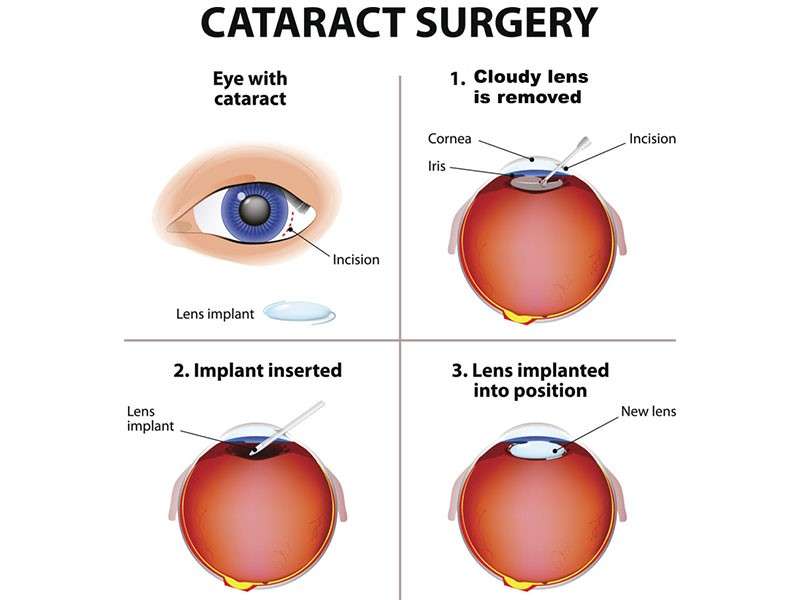
CATARACT SURGERY
Cataracts occur when the lens of the eye becomes cloudy, leading to vision problems. This condition often develops slowly and can affect daily activities. Early detection is key to managing cataracts effectively.
- Common symptoms include blurry vision, difficulty seeing at night, and sensitivity to light.
- Cataracts are typically diagnosed through a comprehensive eye exam, which includes a visual acuity test and examination of the lens.
- Treatment usually involves surgery to remove the clouded lens and replace it with an artificial one.
- Recovery from cataract surgery is generally quick, with many patients noticing improved vision within days.
- Post-operative care may include using prescribed eye drops and attending follow-up appointments to ensure proper healing.
Timely intervention can restore clear vision and significantly enhance quality of life for individuals living with cataracts.