
Dr DHARMENDRA SIN
About Me
Dr DHARMENDRA SIN
MBBS
General Physician
10 Years Experience
Biography
My Clinic
OPD Hours
| Monday | Morning | 10:00 AM | - | 02:00 PM |
| Evening | 06:00 PM | - | 09:00 PM | |
| Tuesday | Morning | 10:00 AM | - | 02:00 PM |
| Evening | 06:00 PM | - | 09:00 PM | |
| Wednesday | Morning | 10:00 AM | - | 02:00 PM |
| Evening | 06:00 PM | - | 09:00 PM | |
| Thursday | Morning | 10:00 AM | - | 02:00 PM |
| Evening | 06:00 PM | - | 09:00 PM | |
| Friday | Morning | 10:00 AM | - | 02:00 PM |
| Evening | 06:00 PM | - | 09:00 PM | |
| Saturday | Morning | 10:00 AM | - | 02:00 PM |
| Evening | 06:00 PM | - | 09:00 PM | |
| Sunday | Morning | 10:00 AM | - | 02:00 PM |
| Evening | 06:00 PM | - | 09:00 PM |
Treatments
Specialised care and treatments offered
GASTROESOPHAGEAL REFLUX DISEASE (GERD)
Gastroesophageal Reflux Disease (GERD) occurs when stomach acid frequently flows back into the esophagus leading discomfort known as acid reflux. Managing GERD involves understanding both dietary choices alongside potential medical interventions required!
- Main symptoms experienced may include heartburn occurring post-meals exacerbated lying down position causing further distress;
- Diagnosis relies predominantly upon healthcare providers conducting physical examinations supported by symptom history discussions guiding further testing options potentially advised later;
- Management strategies generally encompass lifestyle adjustments targeting reduced acid production paired with antacid medications whenever deemed necessary;
- Routine follow-up appointments enable reflection processes evaluating adoption success behaviors alongside any emerging concerns identified together collaborative efforts;(
- Creating actionable solutions empowers patients cultivating positive relationships between food intake observability easing experienced challenges faced everyday living applications comfortably navigated efficiently facilitated together!
With dedication focused improving holistic well-being GERD patients commonly reach desired results over time benefitting greater quality lives achieved sustainably working hand in hand professionals compassionately assisting journeys embarked upon tirelessly committed ensuring healthier futures ahead.
THYROID DISORDERS

Thyroid disorders affect metabolism regulation within the body. Conditions such as hypothyroidism (underactive thyroid) or hyperthyroidism (overactive thyroid) can manifest similar yet distinct symptoms requiring precise diagnosis for effective treatment strategy development.
- The symptoms might include weight changes, energy level fluctuations, sensitivity to temperature shifts, among others; these require close observation for accurate diagnosis features
- Diagnosis revolves around specific blood tests measuring thyroid hormone levels including TSH (Thyroid Stimulating Hormone).
- Management encompasses medication regimens designed either to replace deficient hormones or suppress excessive hormone production depending on the disorder type observed;
- Regular follow-up appointments provide opportunities for monitoring progress using laboratory testing whenever indicated;
- An individualized approach will help address any personal concerns related closely linked lifestyle impacts stemming from managing thyroid function satisfied expectations throughout!
Appropriate ongoing treatment ensures minimal disruption while maintaining metabolic balance necessary leading healthier outcomes on everyday living!
ASTHMA MANAGEMENT
Asthma is a chronic respiratory condition characterized by inflammation of the airways which leads to difficulty in breathing. Properly managing asthma is key for maintaining quality of life and reducing flare-ups.
- Main symptoms include wheezing, coughing, chest tightness, and shortness of breath that may vary from mild to severe episodes.
- This condition is diagnosed using pulmonary function tests alongside a detailed medical history assessment by healthcare providers.
- Treatment typically incorporates inhalers (both rescue and maintenance types) along with lifestyle modifications aimed at avoiding triggers such as allergens or pollution exposure.
- You will learn how to recognize early warning signs of an asthma attack so you can act swiftly when needed.
- Your management plan will be tailored specifically for you based on severity and response to treatment options available!
A comprehensive approach allows many individuals with asthma to lead active lives without significant limitations from their condition.
CHOLESTEROL MANAGEMENT
High cholesterol levels pose risks for cardiovascular diseases if left unchecked. Understanding the types of cholesterol—LDL (bad) and HDL (good)—is fundamental in planning appropriate management strategies.
- The common signs are often absent; hence it’s often referred to as a silent condition until severe complications arise like heart disease or strokes.
- Diagnosis involves lipid profile tests that measure cholesterol levels in your blood during routine check-ups.
- Treatment usually focuses on lifestyle modifications including diet changes and increased physical activity, with medications prescribed when necessary.
- You should regularly monitor your cholesterol levels to assess the effectiveness of your management plan.
- Your healthcare provider will guide you through practical dietary choices aimed at improving overall heart health.
With careful monitoring and lifestyle changes, most individuals successfully manage their cholesterol levels effectively, thus minimizing associated risks.
DIABETES MANAGEMENT

The management of diabetes is vital in controlling blood sugar levels and preventing long-term complications. Diabetes can be categorized into Type 1 and Type 2, each necessitating different approaches for effective management.
- Main symptoms include increased thirst, frequent urination, fatigue, and blurred vision.
- It’s diagnosed through blood tests that measure glucose levels; this helps determine the type of diabetes present.
- Treatment typically includes a combination of medication (insulin or oral hypoglycemics), dietary adjustments, and regular exercise routines.
- Monitoring blood sugar levels regularly is critical to prevent fluctuations that could lead to complications.
- You can expect to receive personalized tips on meal planning and physical activity tailored to your individual needs.
Staying proactive in diabetes care will empower you to live a healthier life while managing this chronic condition effectively.
HYPERTENSION
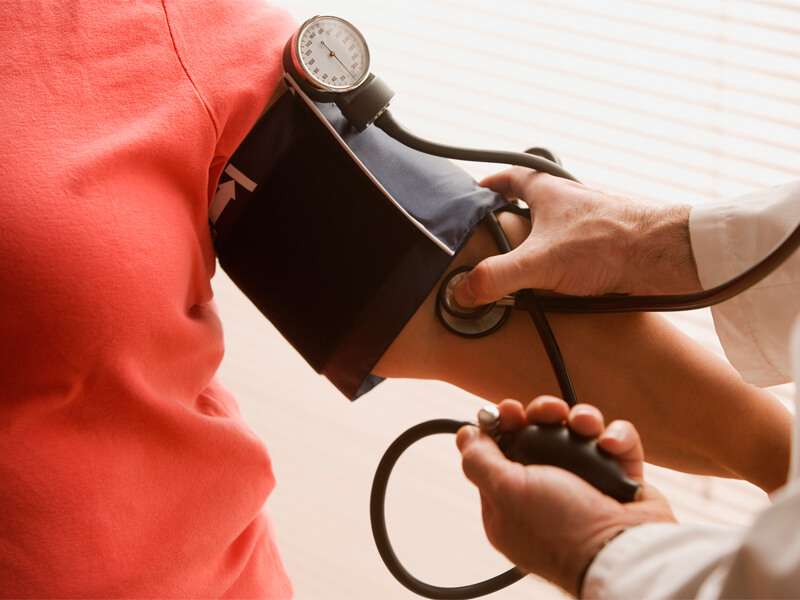
Hypertension, also known as high blood pressure, is a common condition that can lead to serious health complications if not properly managed. It often develops over many years and may go unnoticed until significant damage has occurred.
- Symptoms are often subtle; however, some people may experience headaches, shortness of breath, or nosebleeds.
- Diagnosis typically involves regular blood pressure measurements taken during routine visits.
- Treatment options include lifestyle changes such as diet modifications and exercise, along with medications as needed.
- Regular monitoring is essential to manage hypertension effectively and adjust treatment plans accordingly.
- You can expect ongoing support and guidance on how to maintain a healthy lifestyle to help control blood pressure.
Managing hypertension is crucial for reducing the risk of heart disease and stroke. Early intervention can significantly improve outcomes.