
Dr Dhaval B Shah
About Me
Dr Dhaval B Shah
Dermatologist
Biography
My Clinic
OPD Hours
| Tuesday | Morning | 10:00 AM | - | 02:00 PM |
| Evening | 06:00 PM | - | 09:00 PM | |
| Wednesday | Morning | 10:00 AM | - | 02:00 PM |
| Evening | 06:00 PM | - | 09:00 PM | |
| Thursday | Morning | 10:00 AM | - | 02:00 PM |
| Evening | 06:00 PM | - | 09:00 PM | |
| Friday | Morning | 10:00 AM | - | 02:00 PM |
| Evening | 06:00 PM | - | 09:00 PM | |
| Saturday | Morning | 10:00 AM | - | 02:00 PM |
| Evening | 06:00 PM | - | 09:00 PM | |
| Sunday | Morning | 10:00 AM | - | 02:00 PM |
| Evening | 06:00 PM | - | 09:00 PM | |
| Thursday | Morning | 10:00 AM | - | 02:00 PM |
| Evening | 06:00 PM | - | 09:00 PM |
Treatments
Specialised care and treatments offered
ROSACEA
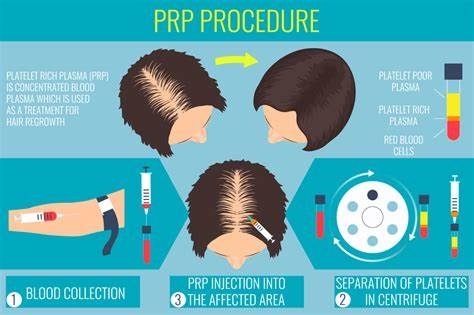
This chronic condition primarily affects facial areas resulting in flushed appearance along with visible blood vessels over time if untreated consistently! Often confused with acne due its similar features making diagnosis critical here!
- Main symptoms typically present as persistent redness across noses/cheeks possibly extending towards forehead/chin region adversely impacting emotional health alongside common complaint about stinging sensations too perhaps?
- A specialized doctor based scrutiny plus patient history enables reliable detection; sometimes dermatoscopic evaluations aid additional insights promoting informed decision-making aligning therapeutic strategies effectively based outcome predictions made thereafter thereof thereafter prospective healing journeys commence afterward generally!
- Numerous approaches exist targeting symptom relief such as topical agents specifically designed addressing underlying inflammation processes gradually improving functionalities through ongoing efforts cumulatively combining lifestyle alterations respectively also enhancing overall satisfaction levels throughout recovery pathways consistently henceforth !
Proactive measures involving sun protection habits coupled along living balanced lifestyles foster favorable prognoses when targeting rosacea manifestations diligently over extended periods thereby empowering individuals lives successfully overall achieving sought-after improvements expected progressively thus previously desired conditions managed successfully achievable also!
SKIN INFECTIONS
Skin infections are caused by bacteria, fungi or viruses invading the skin layers leading to various symptoms such as redness or swelling. They can occur anywhere on the body and vary greatly in severity.
- Main symptoms often include local pain at the site of infection accompanied by pus formation or fever depending on infection type; signs may not be immediately apparent at times!
- A careful detection, considering both ocular examination along with laboratory tests helps establish whether it’s bacterial (like cellulitis), fungal (such as athlete’s foot) etc., guiding effective treatments thereafter!
- Treatments range from topical antifungal creams to systemic antibiotics depending upon pathogen involved directly impacting prognosis positively when adhered correctly!
- Catching infections early allows quicker resolution rates; following medical advice closely yields remarkable recoveries generally!
Your adherence benefits long-term outcomes post-infection while maintaining healthy practices reduces recurrence chances too!
CONTACT DERMATITIS
This dermatitis occurs when the skin comes into contact with an irritating substance or allergen. It manifests as red rashes where the contact occurred and can cause significant discomfort if left untreated.
- The primary symptoms include redness, itching, swelling, blistering or peeling in affected areas after exposure to triggers like cosmetics or metals.
- A healthcare provider will conduct a detailed history along with a physical exam for an accurate diagnosis, sometimes including patch testing to identify allergens.
- Treatment mainly involves avoiding identified triggers alongside topical corticosteroids to relieve inflammation and itching during acute episodes.
- Your recovery depends on how well you manage contact with the irritant/allergen after initial treatment has started; proper skincare plays a key role here too!
The process may involve trial-and-error in identifying irritants while providing soothing care for irritated skin ensures comfort during healing phases.
ACNE VULGARIS
Acne vulgaris is a prevalent skin condition that primarily affects adolescents but can persist into adulthood. It occurs when hair follicles become clogged with oil and dead skin cells.
- Main symptoms include pimples, blackheads, whiteheads, cysts, and scars that can cause emotional distress.
- The diagnosis is usually based on clinical evaluation; sometimes an assessment of triggers such as hormonal changes or dietary factors is helpful.
- Treatment options include topical retinoids, antibiotics for bacterial infections, hormonal therapy for women, or isotretinoin for severe cases.
- Persistent cases may require combination therapy tailored individually to achieve better results over time.
The journey toward clearer skin may take time but involves effective strategies tailored to individual needs.
ECZEMA (ATOPIC DERMATITIS)
Eczema is a common condition that results in red, inflamed patches of skin that are often itchy. It frequently occurs in children but can affect individuals of all ages.
- The main symptoms include itching, dryness, redness, and swelling. Scratching can lead to further irritation and potential infections.
- A thorough diagnosis involves a detailed medical history and physical examination; allergy testing might be recommended for some patients.
- Treatment often includes moisturizing ointments to restore the skin barrier and topical steroids to reduce inflammation during flare-ups.
- Patients should expect periodic flares requiring monitoring and adjustment of treatment plans for optimal control.
Eczema management focuses on symptom relief and prevention of flare-ups through lifestyle adjustments.
PSORIASIS
Psoriasis is a chronic inflammatory skin condition characterized by the rapid growth of skin cells, resulting in thick, scaly patches. It can affect any part of the body and often leads to discomfort and self-esteem issues.
- Symptoms include red patches covered with thick, silvery scales, dry and cracked skin that may bleed, itching or burning sensations, and thickened or pitted nails.
- The condition is typically diagnosed through a physical examination of the skin, scalp, and nails. Additional tests may be done to rule out other skin disorders.
- Treatment options range from topical therapies such as corticosteroids to phototherapy and systemic medications for more severe cases.
- Patients can expect improvement in symptoms, though psoriasis is a lifelong condition that requires ongoing management.
Effective management can significantly improve quality of life for those affected by psoriasis.