
Dr Dhiren Shah
About Me
Dr Dhiren Shah
Cardiologist
Biography
My Clinic
OPD Hours
| Tuesday | Morning | 10:00 AM | - | 02:00 PM |
| Evening | 06:00 PM | - | 09:00 PM | |
| Wednesday | Morning | 10:00 AM | - | 02:00 PM |
| Evening | 06:00 PM | - | 09:00 PM | |
| Thursday | Morning | 10:00 AM | - | 02:00 PM |
| Evening | 06:00 PM | - | 09:00 PM | |
| Friday | Morning | 10:00 AM | - | 02:00 PM |
| Evening | 06:00 PM | - | 09:00 PM | |
| Saturday | Morning | 10:00 AM | - | 02:00 PM |
| Evening | 06:00 PM | - | 09:00 PM | |
| Sunday | Morning | 10:00 AM | - | 02:00 PM |
| Evening | 06:00 PM | - | 09:00 PM | |
| Thursday | Morning | 10:00 AM | - | 02:00 PM |
| Evening | 06:00 PM | - | 09:00 PM |
Treatments
Specialised care and treatments offered
PERIPHERAL ARTERY DISEASE

PAD manifests when arteries that supply blood flow to limbs become narrowed; this increases potential complications related primarily affecting mobility & circulation health overall!
- Symptoms: Intermittent claudication—pain or heaviness during activity—characterizes PAD’s initial presentation leading concerns associated further on!.
Causes: Factors like diabetes mellitus & smoking significantly raise susceptibility alongside age-related effects influencing vascular integrity over time!.
''Diagnosis: Noninvasive testing via Doppler ultrasound assists clinicians assessing arterial blockages thoroughly hence confirming diagnoses efficiently!'.
Treatment: Conservative methods stemming from lifestyle alterations backed up pharmacologic options surrounding anticoagulant administration exist providing necessary interventions safeguarding limb viability !
/>
HYPERLIPIDEMIA
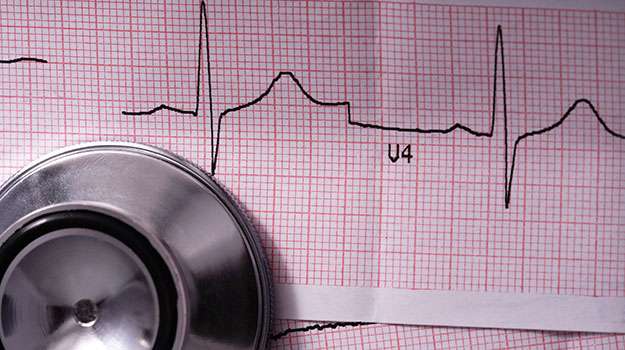
Hyperlipidemia refers specifically to elevated levels of lipids—like cholesterol—in the bloodstream. Recognizing this condition is vital since it raises cardiovascular disease risks significantly.
- Symptoms : Often asymptomatic until advanced stages ; hence screening through lipid panels becomes necessary at intervals based on risk profile .
- Causes : High-fat diets , lack of exercise , genetics , alcohol use all contribute toward increased levels .
- Diagnosis : Routine blood work checks lipid profiles determining total cholesterol count including LDL/HDL ratios indicating severity levels .
- Treatment Strategies : Lifestyle modifications comprise essential steps along with statin therapy enhancing lipid control when needed; monitoring remains crucial throughout treatment journeys .
- Expectations Post-Diagnosis: Consistent follow-up aids establishing healthier patterns ensuring sustained wellness while combating this prevalent concern .
Early intervention improves overall prognosis yet necessitates commitment from both physician & patient alike toward achieving favorable results over time !
ATRIAL FIBRILLATION
Atrial fibrillation (AFib) is an irregular heartbeat that can lead to various complications if left untreated. It's characterized by rapid electrical signals causing chaotic heart rhythms.
- Symptoms: Patients might experience palpitations, dizziness, chest discomfort or even weakness during physical exertion due to the erratic nature of AFib.
- Causes: Underlying conditions such as hypertension or previous heart surgery increase the risk of developing AFib in adults.
- Diagnosis : It often requires an ECG test along with other monitoring techniques for accurate identification.
- Management : Medications may involve anticoagulants to prevent stroke risks alongside rate control drugs. Some patients might benefit from cardioversion procedures.
- Living with AFib : Regular medical consultations ensure effective management strategies tailored individually for long-term health.
Despite its challenges , effective treatment approaches can greatly improve quality of life for those diagnosed .
HEART FAILURE
Heart failure is a chronic condition where the heart cannot pump effectively. This leads to insufficient blood flow to meet the body's needs.
- Symptoms: Common signs include persistent coughing or wheezing, swelling in the legs and ankles, and fatigue during physical activities.
- Causes: Conditions such as coronary artery disease or hypertension are primary contributors to heart failure development over time.
- Diagnosis: Diagnosis involves comprehensive assessments including echocardiograms and blood tests to evaluate heart function accurately.
- Treatment Methods: Treatment focuses on lifestyle changes alongside medications that aid fluid balance. Severe cases might require surgical interventions like valve repair or transplantation.
- Your Outlook: With proper management and support from healthcare providers, many patients live fulfilling lives despite their diagnosis.
The importance of regular follow-ups cannot be overstated in managing this complex condition effectively.
CORONARY ARTERY DISEASE
Coronary artery disease (CAD) occurs when the coronary arteries narrow due to plaque buildup. This reduction in blood flow can lead to serious heart issues over time.
- Symptoms: Chest pain (angina), shortness of breath, or fatigue during exertion are common indicators of CAD.
- Causes: Risk factors include high cholesterol levels, smoking, diabetes, and a family history of heart disease.
- Diagnosis: A combination of physical examinations, EKGs, stress tests, and imaging studies are employed to confirm CAD.
- Treatment Options: Lifestyle modifications like diet changes are vital; medications such as statins may be prescribed, and in severe cases, procedures like angioplasty may be performed.
- What to Expect: Patients need ongoing care to monitor heart health and adjust treatment plans as necessary for optimal outcomes.
A proactive approach can significantly reduce risks associated with coronary artery disease.
HYPERTENSION
Hypertension, commonly known as high blood pressure, is a prevalent condition that affects many individuals worldwide. It often presents no obvious symptoms, making routine screenings crucial for early detection.
- Symptoms: Many patients experience headaches, shortness of breath, or nosebleeds; however, these are not always apparent.
- Causes: Factors include genetic predisposition, excessive salt intake, obesity, and sedentary lifestyles.
- Diagnosis: Blood pressure readings taken during routine check-ups help diagnose hypertension. Additional tests may be ordered to assess heart health.
- Treatment Options: Management includes lifestyle changes such as diet and exercise, alongside medications like ACE inhibitors or beta-blockers if necessary.
- Expectations: Regular monitoring and adherence to treatments can effectively manage blood pressure and reduce complications associated with the condition.
If identified early and appropriately managed, individuals can lead healthy lives while keeping their blood pressure in check.