
Dr Dhrumils
About Me
Dr Dhrumils
General Physician
Biography
My Clinic
OPD Hours
| Tuesday | Morning | 10:00 AM | - | 02:00 PM |
| Evening | 06:00 PM | - | 09:00 PM | |
| Wednesday | Morning | 10:00 AM | - | 02:00 PM |
| Evening | 06:00 PM | - | 09:00 PM | |
| Thursday | Morning | 10:00 AM | - | 02:00 PM |
| Evening | 06:00 PM | - | 09:00 PM | |
| Friday | Morning | 10:00 AM | - | 02:00 PM |
| Evening | 06:00 PM | - | 09:00 PM | |
| Saturday | Morning | 10:00 AM | - | 02:00 PM |
| Evening | 06:00 PM | - | 09:00 PM | |
| Sunday | Morning | 10:00 AM | - | 02:00 PM |
| Evening | 06:00 PM | - | 09:00 PM | |
| Thursday | Morning | 10:00 AM | - | 02:00 PM |
| Evening | 06:00 PM | - | 09:00 PM |
Treatments
Specialised care and treatments offered
WEIGHT MANAGEMENT COUNSELING
Weight management encompasses strategies formulated for achieving healthy body weight which plays a significant role in overall well-being. An individualized approach addresses unique needs effectively!
- Factors influencing weight include genetics , metabolism , lifestyle choices ; however , creating sustainable habits often yields remarkable changes over time .
- Assessment consists of evaluating current BMI (Body Mass Index) alongside discussions about dietary patterns , physical activity levels & emotional eating triggers .
- Interventions vary widely : meal planning support , behavior modification techniques & regular check-ins aid progress .
- Setting realistic goals fosters motivation & accountability throughout one's journey towards improved health .
A comprehensive program not only helps individuals lose excess weight but also promotes lasting lifestyle modifications fostering enhanced quality living !
RESPIRATORY INFECTION TREATMENT

Respiratory infections range from mild colds to more severe conditions like bronchitis or pneumonia. Understanding these infections aids in prompt recovery.
- Symptoms typically include cough, sore throat, nasal congestion, fever, and sometimes difficulty breathing depending on severity.
Diverse causes: These infections can result from viruses or bacteria requiring different treatment approaches; viral infections often resolve on their own while bacterial infections may need antibiotics.
A proper diagnosis: Physical examinations alongside tests like chest X-rays help determine necessity for further intervention among patients displaying persistent symptoms.
Treatment approaches: Supportive care includes rest, fluids, over-the-counter medications; severe cases might require hospitalization for oxygen support.
Educating patients on prevention measures such as flu shots significantly improves public health overall.
Prevention combined with effective treatment encourages rapid recovery from respiratory ailments while minimizing spread among others impacted by illness.
COLONOSCOPY PREPARATION

A colonoscopy is an essential procedure for detecting abnormalities in the colon. Proper preparation ensures safety and accuracy during the examination.
- The procedure requires clear instructions regarding diet adjustment leading up to the exam date which includes avoiding certain foods and taking laxatives to cleanse the bowel.
- The goal is to visualize any potential issues such as polyps or signs of cancer within the colon through a flexible tube equipped with a camera inserted via the rectum.
- This procedure can help prevent colorectal cancer by allowing for early detection and removal of precancerous growths during examination.
An informed approach to preparation enhances comfort during a colonoscopy while reinforcing its role as a preventive health measure against serious conditions like cancer.
JOINT PAIN ASSESSMENT
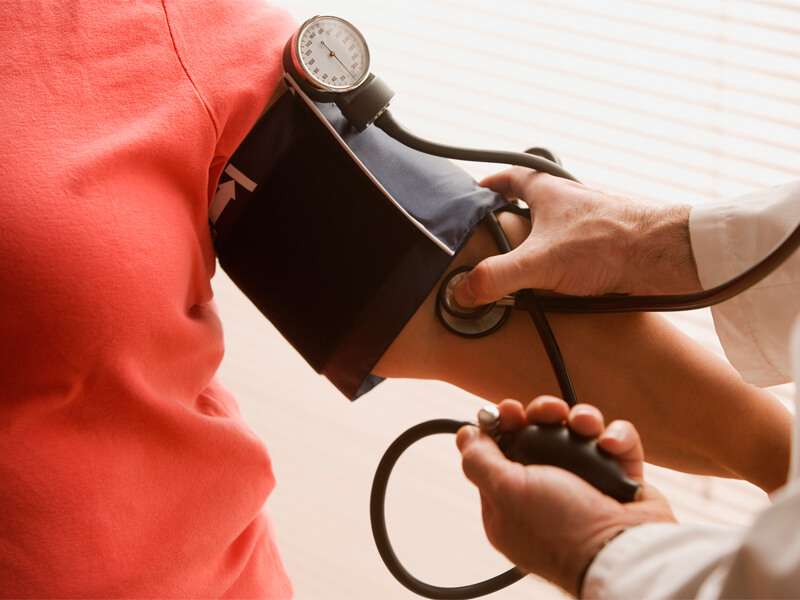
Joint pain can arise from various causes including arthritis or injuries. Timely assessment is vital for appropriate treatment and pain relief methods.
- Symptoms often manifest as swelling, stiffness, and decreased range of motion in the affected joint.
- A thorough medical history review along with physical examinations or imaging studies helps in diagnosing the underlying cause of the pain.
- Treatment options may include physical therapy, anti-inflammatory medications, or corticosteroid injections depending on severity.
- Pain management strategies aim not only at relieving discomfort but also improving function in daily activities.
A careful evaluation provides a pathway toward better joint health and mobility for patients experiencing joint issues.
DIABETES SCREENING

Diabetes is a chronic illness that affects how your body uses glucose. Early detection through screening is essential for preventing complications associated with the disease.
- Common symptoms include increased thirst, frequent urination, fatigue, and blurred vision.
- The diagnosis is made using blood tests such as fasting glucose or HbA1c tests which indicate average blood sugar levels over time.
- If diagnosed with diabetes, management may involve dietary changes, exercise plans, and possibly insulin therapy or oral medications.
- Regular monitoring of blood sugar levels is key to effective diabetes management.
Early screening can empower individuals to take control of their health and avoid severe complications in the future.
HYPERTENSION MANAGEMENT

High blood pressure, or hypertension, is a common condition that can lead to serious health complications if left untreated. Regular monitoring and management are crucial in maintaining healthy levels.
- Symptoms may include headaches, shortness of breath, and nosebleeds, but often there are no noticeable symptoms at all.
- Diagnosis typically involves measuring blood pressure with a sphygmomanometer over multiple visits to ensure accuracy.
- Treatment options range from lifestyle changes, such as diet and exercise, to medications like diuretics and ACE inhibitors.
- Patients can expect regular follow-ups to monitor their blood pressure and adjust treatments as needed.
- Effective management of hypertension can significantly reduce the risk of heart disease and stroke.
With proactive management, individuals can lead a long and healthy life despite this condition.