
Dr Dhvani Gangar
About Me
Dr Dhvani Gangar
Dermatologist
Biography
My Clinic
OPD Hours
| Tuesday | Morning | 10:00 AM | - | 02:00 PM |
| Evening | 06:00 PM | - | 09:00 PM | |
| Wednesday | Morning | 10:00 AM | - | 02:00 PM |
| Evening | 06:00 PM | - | 09:00 PM | |
| Thursday | Morning | 10:00 AM | - | 02:00 PM |
| Evening | 06:00 PM | - | 09:00 PM | |
| Friday | Morning | 10:00 AM | - | 02:00 PM |
| Evening | 06:00 PM | - | 09:00 PM | |
| Saturday | Morning | 10:00 AM | - | 02:00 PM |
| Evening | 06:00 PM | - | 09:00 PM | |
| Sunday | Morning | 10:00 AM | - | 02:00 PM |
| Evening | 06:00 PM | - | 09:00 PM | |
| Thursday | Morning | 10:00 AM | - | 02:00 PM |
| Evening | 06:00 PM | - | 09:00 PM |
Treatments
Specialised care and treatments offered
MELANOMA SCREENING
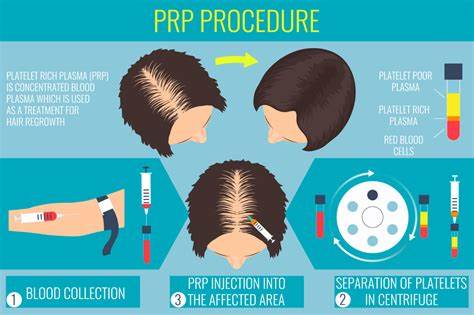
Melanoma screening involves examining moles on the body for signs of melanoma—a potentially dangerous form of skin cancer. Early detection is essential for successful treatment outcomes so being vigilant about changes remains vital!
- Symptoms typically manifest as new moles abnormal spots existing enlargements varying colors shapes elevation.
- Risk factors include fair complexion previous sunburn exposures family history which increase susceptibility therefore regular checks advisable bound making habits part routine
- Screening examines entire surface area employing dermatoscopy examining suspicious areas & possibly biopsy confirming diagnosis followed surgical intervention needs arise
- Management focuses early interventions techniques via excisions targeted therapy based staged nature respective mole found providing greater chance longevity survival rates alike.
This proactive measure greatly enhances likelihood cancer-free lifestyle moving forward!.
SKIN INFECTIONS
Skin infections encompass a variety of conditions caused by bacteria, fungi, viruses,, or parasites infecting the skin layers. Common types involve cellulitis or fungal infections such as athlete's foot which require prompt attention for effective management
- Symptoms: redness,u swelling pain tenderness blistering occur at infection site & possible fever overall malaise depending severity level it takes form
- Causative factors often stem from cuts scrapes that allow pathogens enter body frim external sources making hygiene pivotal factor diagnosis revealing pattern occurred pertinent elements analyzed match up
- Diagnosis necessitates careful visual inspection cultures swabs taken utilizing advanced imaging scans severe instances
- Treatments range antibiotics antifungals applied systemically prevent further complications allowing healing curved rest within few days prior vigilance follow ups ensure restoration health back normalcy
Fostering good hygiene practices lowers risk frequency reoccurring episodes significantly.
CONTACT DERMATITIS
Contact dermatitis arises from direct exposure to allergens or irritants causing an inflammatory reaction in the skin. This condition can present itself suddenly after contact with substances such as soaps or metals.
- Main indications include red rashes accompanied by itching or oozing blisters depending on whether it’s allergic or irritant contact dermatitis.
- Causative agents vary widely; common examples include fragrances in cosmetics or nickel in jewelry for allergic reactions while frequent handwashing may lead to irritant types.
- Diagnosis relies largely on patient history along with physical examination; patch testing may be utilized for identifying specific allergens when necessary.
- Management includes avoiding recognized triggers alongside treatments ranging from topical corticosteroids to antihistamines for itch relief.
- Patients frequently improve within days of avoiding irritants/agents; however chronic exposure can complicate recovery.
Understanding your specific triggers is key to effective long-term management of contact dermatitis.
ACNE
Acne is one of the most prevalent skin conditions affecting adolescents and adults alike. It occurs when hair follicles become clogged with oil, dead skin cells, or bacteria leading to various types of lesions on the skin.
- Main symptoms include pimples, blackheads, whiteheads, cysts, and occasionally scarring if left untreated.
- The causes are typically hormonal changes during puberty or menstruation but can also be influenced by diet or certain medications.
- A detailed history and physical examination help in diagnosing acne; sometimes additional tests are performed for resistant cases.
- Treatment often ranges from over-the-counter topical products containing benzoyl peroxide to prescription medications including antibiotics or retinoids for more severe forms.
- Individuals can expect gradual improvement over weeks with consistent treatment efforts alongside lifestyle adjustments like proper cleansing routines.
Managing acne early can prevent scarring and improve self-esteem effectively!
ECZEMA
Eczema, or atopic dermatitis, is an inflammatory skin condition characterized by itchy and inflamed patches. It commonly affects children but can persist into adulthood, leading to chronic discomfort.
- The main signs include dry, itchy skin which can become red and swollen; these symptoms may worsen during colder months or stressful periods.
- This condition is associated with genetic factors as well as environmental irritants like soaps or allergens.
- A dermatologist typically diagnoses eczema through a physical examination and medical history analysis.
- Treatment strategies involve moisturizers to enhance skin hydration, topical steroids to reduce inflammation, and avoiding known triggers.
- Patients are encouraged to follow up regularly to manage their symptoms effectively over time.
With proper care, many individuals find significant relief from their eczema symptoms.
PSORIASIS
Psoriasis is a chronic autoimmune skin condition that leads to the rapid growth of skin cells, resulting in scaling and inflammation. This disorder can significantly impact an individual’s quality of life due to its visibility and symptoms.
- Symptoms often include red patches covered with thick, silvery scales, dry and cracked skin that may bleed, and itching or burning sensations.
- The cause is multifactorial, involving genetic predisposition alongside environmental triggers such as stress or infections.
- Diagnosis is primarily clinical, involving a physical examination and sometimes a biopsy to confirm the type of psoriasis.
- Treatment options include topical therapies like corticosteroids, phototherapy, and systemic medications for severe cases.
- Patients can expect variations in severity; some may experience flare-ups followed by remission periods.
Overall management focuses on controlling symptoms and improving the patient’s overall well-being.