
About Me
Dr. Digvijay
BAMS
Family Physician
12 Years Experience
Biography
My Clinic
OPD Hours
| Monday | Morning | 10:00 AM | - | 01:00 PM |
| Evening | 06:00 PM | - | 10:00 PM | |
| Tuesday | Morning | 10:00 AM | - | 01:00 PM |
| Evening | 06:00 PM | - | 10:00 PM | |
| Wednesday | Morning | 10:00 AM | - | 01:00 PM |
| Evening | 06:00 PM | - | 10:00 PM | |
| Thursday | Morning | 10:00 AM | - | 01:00 PM |
| Evening | 06:00 PM | - | 10:00 PM | |
| Friday | Morning | 10:00 AM | - | 01:00 PM |
| Evening | 06:00 PM | - | 10:00 PM | |
| Saturday | Morning | 10:00 AM | - | 01:00 PM |
| Evening | 06:00 PM | - | 10:00 PM |
Treatments
Specialised care and treatments offered
GASTROESOPHAGEAL REFLUX DISEASE (GERD)
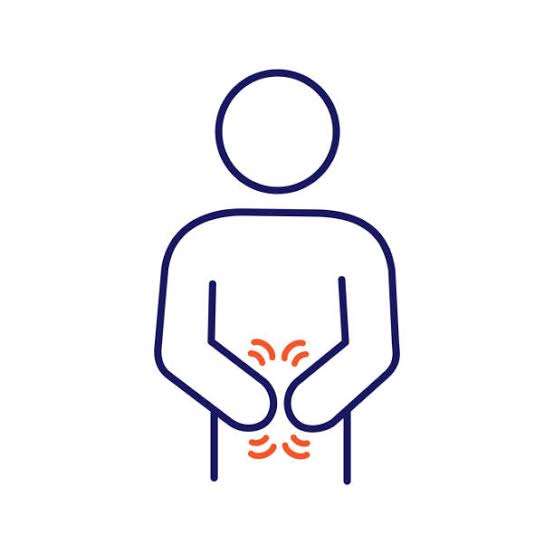
The Gastroesophageal Reflux Disease (GERD) involves stomach acid frequently flowing back into the esophagus causing irritation. Understanding this condition aids effective management methods that improve quality of life dramatically
- Symptoms: Main signs include persistent heartburn sensations usually after meals coupled with regurgitation or difficulty swallowing
- Potential causes: Poor dietary habits alongside obesity play major roles leading towards GERD development
- Diagnosis techniques: A comprehensive evaluation including endoscopy procedures assists clinicians accurately assess esophageal lining conditions
- Treatment possibilities:This condition benefits from incorporating dietary alterations together alongside consuming smaller meals whilst avoiding particular trigger foods such as spicy dishes< / lig lAnswer options might involve prescribed medications designed specifically targeting gastric acid production directly influencing adverse effects < #2 /> < br / rob .= implement interaction pattern-whoe/0073/p>[others_uys) +5{0}=
SEASONAL ALLERGIES

Seasonal allergies occur due to sensitivity towards specific allergens commonly present during certain seasons. Identifying these allergens plays a critical role in controlling symptoms effectively.
- Symptoms: Common indicators include sneezing, itchy eyes/nose/throat along with nasal congestion typically appearing during spring or fall when pollen counts rise.
- Causes: Pollens from trees, grasses or weeds serve as key allergens triggering reactions among susceptible individuals.
- Diagnosis process: A thorough health history review paired with skin prick testing assists healthcare providers accurately identify allergen sensitivities
- Management strategies: Preventive measures entail reducing outdoor exposure during peak pollen seasons along with utilizing antihistamines or nasal corticosteroids based on severity.
- What one might expect: An effective allergy management plan allows individuals the freedom to enjoy seasonal changes without debilitating allergy symptoms disrupting daily life
If identified early on; there are numerous strategies available enabling effective seasonal allergy control tailored precisely around personal needs
HYPERLIPIDEMIA MANAGEMENT

Hyperlipidemia refers to elevated levels of lipids in the bloodstream which can lead to cardiovascular problems. Early intervention is crucial for promoting heart health.
- Causative factors:Diets high in saturated fats and cholesterol along with sedentary behaviors contribute significantly to hyperlipidemia's development.
- Symptoms: Most people do not exhibit noticeable symptoms unless severe cardiovascular issues arise; hence ongoing screening becomes essential.
- Diagnosis: A lipid panel test provides valuable insights into cholesterol levels including LDL (bad) and HDL (good) cholesterol.
- Management options: Lifestyle modifications such as adopting a heart-healthy diet rich in omega-3 fatty acids combined with regular physical activity are foundational. Medications such as statins may also be prescribed if necessary.
- Outcome expectations: With adherence to treatment plans focusing on lifestyle changes alongside medication where required; individuals can achieve healthier lipid profiles significantly lowering cardiovascular risks.
Taking small steps towards dietary improvements and exercise routines leads positively towards managing hyperlipidemia effectively.
ASTHMA CONTROL
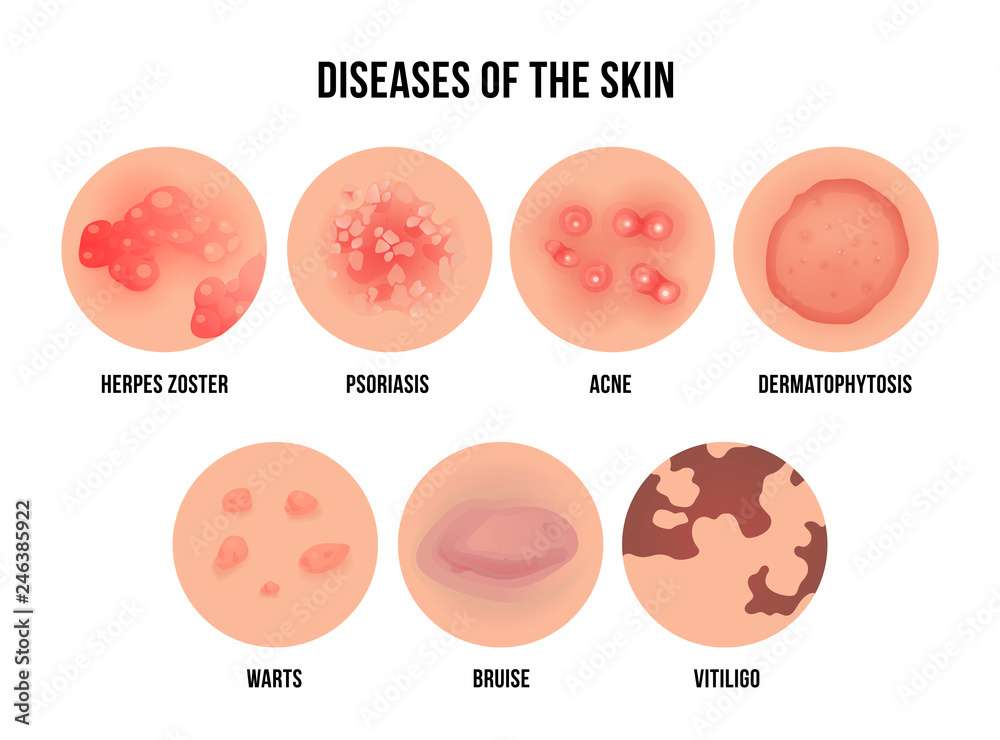
Asthma is a respiratory condition characterized by difficulty in breathing due to airway inflammation. Understanding asthma triggers is key to effective management.
- Common triggers: Allergens like pollen, dust mites, smoke exposure, cold air or respiratory infections can exacerbate symptoms like wheezing or coughing.
- Diagnosis method: A detailed medical history along with lung function tests helps establish an asthma diagnosis effectively.
- Treatment strategies: Asthma management typically involves inhaled corticosteroids for long-term control and rescue inhalers for immediate relief during an attack. Avoiding known triggers plays a crucial role too.
- Coping mechanisms:The use of an asthma action plan can help patients navigate their symptoms effectively while maintaining a normal activity level.
A comprehensive understanding empowers individuals with asthma to take charge of their condition for improved quality of life.
DIABETES MANAGEMENT

Diabetes is a chronic condition that affects how your body processes glucose. It requires careful management to prevent long-term complications and maintain quality of life.
- Symptoms: Common signs include increased thirst, frequent urination, fatigue, and blurred vision.
- Lifestyle causes: Poor diet choices, lack of physical activity, and obesity are significant contributors to the onset of Type 2 diabetes.
- Diagnosis: Blood tests measuring glucose levels are pivotal in diagnosing diabetes. This includes fasting blood glucose tests or A1C tests to evaluate average blood sugar levels over time.
- Treatment approaches: Effective management involves dietary adjustments focusing on low glycemic index foods, routine physical activity and possibly insulin therapy or oral medications depending on severity.
- Anticipated outcomes: Regular follow-ups with healthcare professionals can empower patients in managing their condition actively and reduce risks associated with diabetes complications.
A proactive approach promotes better health outcomes in those living with diabetes through consistent lifestyle adjustments.
HYPERTENSION
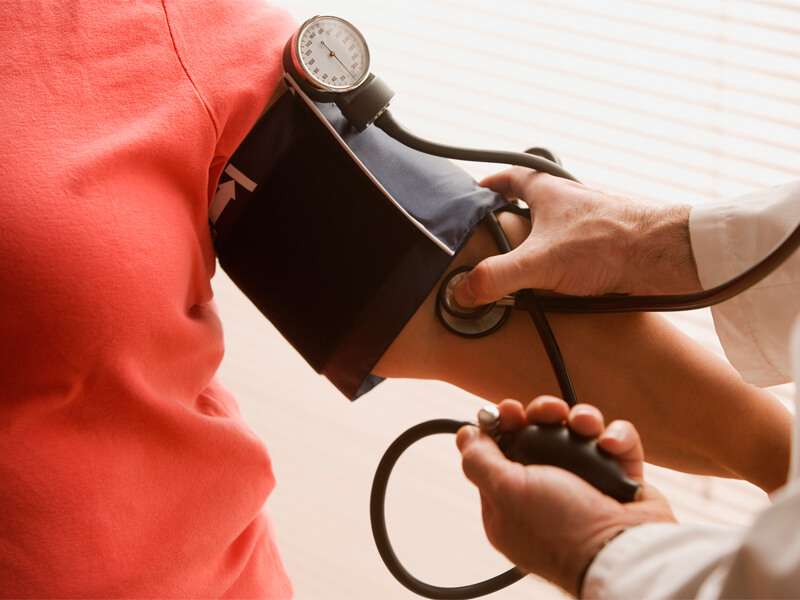
Hypertension, or high blood pressure, is a common condition that can lead to serious health complications if left untreated. Managing hypertension is essential for overall well-being and involves both lifestyle changes and medical interventions.
- Symptoms: Many individuals may not experience noticeable symptoms; however, some may report headaches, shortness of breath, or nosebleeds.
- Causes: Factors contributing to hypertension include obesity, sedentary lifestyle, excessive salt intake, and genetic predisposition.
- Diagnosis: Blood pressure is measured using a sphygmomanometer over multiple visits for accurate results. Additional tests may be recommended to assess heart health.
- Treatment options: Management often includes dietary modifications, regular exercise, medication like diuretics or ACE inhibitors, and consistent monitoring of blood pressure levels.
- What to expect: With proper management and adherence to recommendations, individuals can often maintain healthy blood pressure levels while reducing the risk of complications such as heart disease.
Emphasizing a holistic approach towards health can significantly improve outcomes in managing hypertension effectively.