
Dr Dileep Kumar
About Me
Dr Dileep Kumar
MBBS
General Physician
Biography
My Clinic
OPD Hours
| Monday | Morning | 10:00 AM | - | 02:00 PM |
| Evening | 06:00 PM | - | 09:00 PM | |
| Tuesday | Morning | 10:00 AM | - | 02:00 PM |
| Evening | 06:00 PM | - | 09:00 PM | |
| Wednesday | Morning | 10:00 AM | - | 02:00 PM |
| Evening | 06:00 PM | - | 09:00 PM | |
| Thursday | Morning | 10:00 AM | - | 02:00 PM |
| Evening | 06:00 PM | - | 09:00 PM | |
| Friday | Morning | 10:00 AM | - | 02:00 PM |
| Evening | 06:00 PM | - | 09:00 PM | |
| Saturday | Morning | 10:00 AM | - | 02:00 PM |
| Evening | 06:00 PM | - | 09:00 PM | |
| Sunday | Morning | 10:00 AM | - | 02:00 PM |
| Evening | 06:00 PM | - | 09:00 PM |
Treatments
Specialised care and treatments offered
COMMON COLD
The common cold is a viral infectious disease affecting the upper respiratory tract caused by various viruses including rhinoviruses. Recognizing its symptoms allows for timely self-care measures throughout illness duration
- Symptoms: Key indicators consist of runny nose/sore throat accompanied by fatigue/sneezing/coughing which manifests gradually within few days post-exposure infection agents involved
- Causes: Primarily spread through respiratory droplets during close contact with infected persons while contaminated surfaces play an additional role in transmission dynamics! < / current.status.content .page.activities.resubmission.
GASTROESOPHAGEAL REFLUX DISEASE (GERD)

This disorder involves chronic acid reflux where stomach acid consistently flows back into the esophagus causing discomfort. Awareness of this condition promotes better digestive health management practices.
- Symptoms: Common symptoms include persistent heartburn, regurgitation of food or sour liquid, difficulty swallowing, and chronic cough.
- Causes: Contributing factors range from obesity and hiatal hernias to certain foods or medications that impair lower esophageal sphincter function.
- Diagnosis: Medical professionals utilize patient history surveys alongside endoscopy procedures or pH monitoring techniques when necessary for confirmation purposes.
- Treatment/Management: Lifestyle changes like weight loss paired with over-the-counter antacids are first lines; prescription medications may become relevant if symptoms persist despite initial interventions.
- What to expect: Individual response varies but many patients find relief through tailored treatment plans designed collaboratively with healthcare providers over time.
The journey towards better GERD management typically yields significant quality-of-life improvements for affected individuals
HYPERLIPIDEMIA

This condition refers to elevated levels of lipids (fats) in the bloodstream, increasing the risk for heart disease. Monitoring cholesterol levels is essential for maintaining overall health.
- Symptoms: Often asymptomatic initially; however, severe cases may lead to chest pain or cardiovascular events due to arterial blockages.
- Causes: Genetics plays a role; unhealthy diets high in saturated fats combined with sedentary lifestyles also contribute significantly.
- Diagnosis: Routine blood tests help assess lipid profiles; healthcare providers may order additional tests based on risk factors.
- Treatment/Management: Lifestyle modifications such as adopting a healthier diet along with regular exercise are primary recommendations; statins or other medications may be warranted depending on lipid levels.
- What to expect: Regular follow-ups are vital for monitoring progress towards achieving targeted lipid levels.
Effective management drastically reduces cardiovascular risks associated with hyperlipidemia.
ASTHMA
A chronic respiratory condition known as asthma causes inflammation in the airways leading to breathing difficulties. Patients often experience flare-ups that require effective management strategies.
- Symptoms: Typical symptoms include wheezing, coughing (especially at night), chest tightness, and shortness of breath during physical activities.
- Causes: Triggers vary among individuals but commonly include allergens like dust mites, pollen, smoke exposure, and respiratory infections.
- Diagnosis: A detailed medical history combined with tests like spirometry helps assess lung function and airflow obstruction related to asthma.
- Treatment/Management: Management usually includes inhalers providing quick relief alongside preventative medications to reduce future attacks.
- What to expect: Asthma can often be controlled effectively with a proper action plan tailored in collaboration with healthcare professionals.
A proactive approach enables individuals to manage their asthma successfully without significant interruptions daily life activities.
DIABETES MELLITUS

Diabetes Mellitus is a chronic condition characterized by high blood sugar levels due to insulin resistance or insufficient insulin production. It requires careful management to avoid complications.
- Symptoms: Common signs include excessive thirst, frequent urination, extreme fatigue, and blurred vision.
- Causes: Factors may include genetics, obesity, lack of physical activity, and poor dietary choices.
- Diagnosis: Blood tests such as fasting glucose or HbA1c can confirm diabetes diagnosis and monitor long-term glucose control.
- Treatment/Management: Management involves lifestyle modifications along with medication or insulin therapy as necessary to regulate blood sugar levels effectively.
- What to expect: With appropriate treatment and lifestyle adjustments, individuals can lead healthy lives while managing diabetes effectively.
Lifelong management is crucial for reducing the risk of complications associated with diabetes.
HYPERTENSION
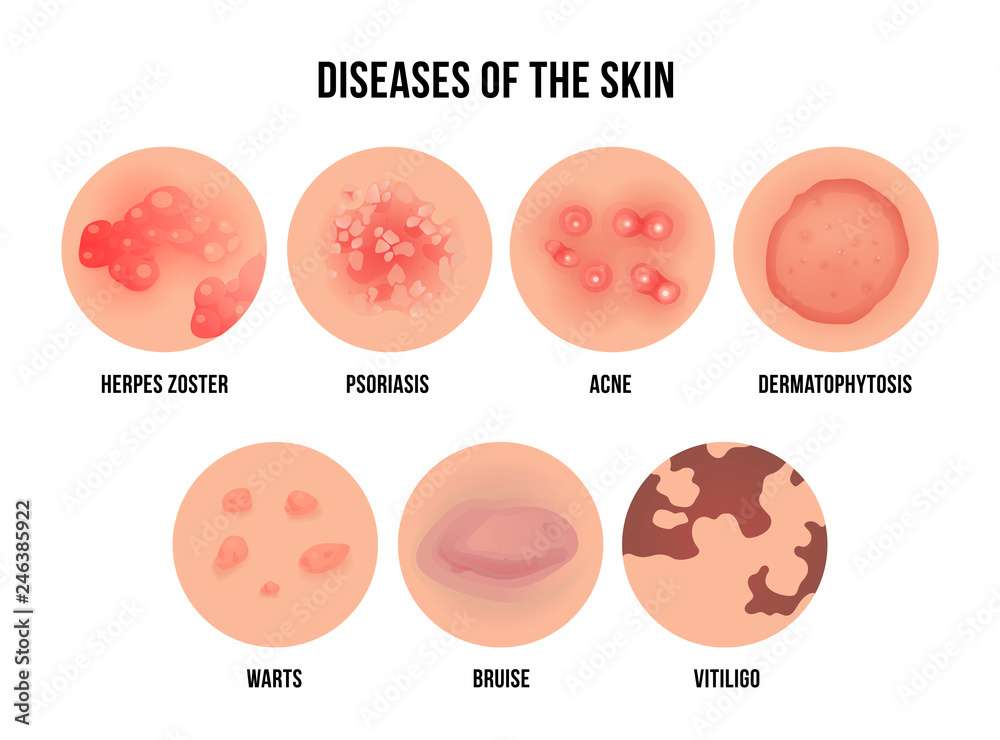
High blood pressure, or hypertension, is a common condition affecting many adults. It occurs when the force of blood against the artery walls is consistently too high. This can lead to serious health complications if not managed appropriately.
- Symptoms: Many people with hypertension may not experience noticeable symptoms, but some might complain of headaches, dizziness, or shortness of breath.
- Causes: Factors contributing to hypertension include poor diet, lack of physical activity, obesity, and stress.
- Diagnosis: Healthcare providers typically measure blood pressure using a sphygmomanometer and may recommend additional tests to rule out underlying conditions.
- Treatment/Management: Lifestyle changes such as improved diet and exercise are often first-line treatments; medications may be prescribed as needed.
- What to expect: Regular monitoring and consistent management can help maintain healthy blood pressure levels and reduce cardiovascular risks.
Taking proactive steps can significantly improve outcomes for those diagnosed with hypertension.