
DR Dilip Jain
About Me
DR Dilip Jain
MBBS
General Physician
Biography
My Clinic
OPD Hours
| Monday | Morning | 10:00 AM | - | 02:00 PM |
| Evening | 06:00 PM | - | 09:00 PM | |
| Tuesday | Morning | 10:00 AM | - | 02:00 PM |
| Evening | 06:00 PM | - | 09:00 PM | |
| Wednesday | Morning | 10:00 AM | - | 02:00 PM |
| Evening | 06:00 PM | - | 09:00 PM | |
| Thursday | Morning | 10:00 AM | - | 02:00 PM |
| Evening | 06:00 PM | - | 09:00 PM | |
| Friday | Morning | 10:00 AM | - | 02:00 PM |
| Evening | 06:00 PM | - | 09:00 PM | |
| Saturday | Morning | 10:00 AM | - | 02:00 PM |
| Evening | 06:00 PM | - | 09:00 PM | |
| Sunday | Morning | 10:00 AM | - | 02:00 PM |
| Evening | 06:00 PM | - | 09:00 PM |
Treatments
Specialised care and treatments offered
MANAGEMENT OF ACUTE RESPIRATORY INFECTIONS
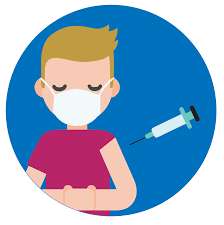
Acute respiratory infections include conditions like colds and flu that affect your lungs and airways. These conditions often require prompt attention for proper recovery.
- Symptoms: Coughing, fever, sore throat, nasal congestion; varying severity based on the specific infection involved.
- Causes: Viral infections are most common but can also stem from bacterial causes requiring different treatment approaches.
ALLERGY TESTING
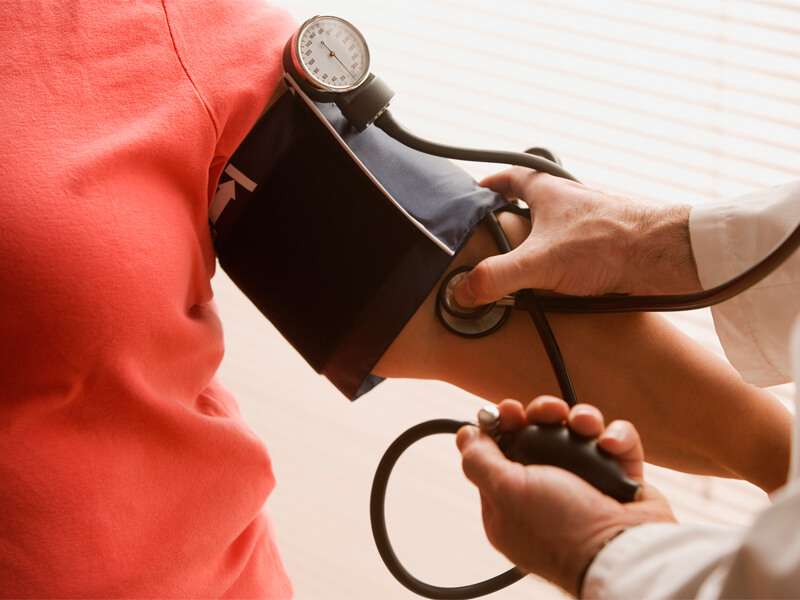
Allergies occur when the immune system reacts to substances known as allergens. Allergy testing helps identify these triggers for appropriate management.
- Symptoms: Sneezing, itching eyes/nose/throat, rashes, or gastrointestinal issues after exposure to allergens.
- Causes: Environmental factors like pollen, food items such as nuts or shellfish, animal dander and dust mites can provoke allergic reactions.
- Diagnosis: Skin tests or blood tests can help determine specific allergies by measuring immune responses to allergens.
- Treatment Options: Avoidance of known allergens is key; antihistamines and other medications may also provide relief from symptoms.
- What to Expect: Effective identification through testing allows for personalized management strategies that improve quality of life significantly.
The insights gained from allergy testing empower individuals to manage their conditions more effectively with minimal disruptions in daily life.
DIABETES SCREENING

Diabetes mellitus is a chronic condition affecting how the body processes glucose. Early detection through screening is critical for effective management.
- Symptoms: Increased thirst and urination, hunger, fatigue, and blurred vision are common warnings.
- Causes: Genetics, obesity, sedentary lifestyle, and insulin resistance play significant roles in the development of diabetes.
- Diagnosis: Blood tests measuring glucose levels (Fasting blood sugar test or HbA1c) are commonly used to identify diabetes.
- Treatment/Mangement Options: Depending on the type of diabetes diagnosed, treatment ranges from lifestyle changes to insulin therapy or oral medications.
- What to Expect: Regular monitoring of blood sugar levels and routine check-ups will aid in maintaining optimal health outcomes.
Timely screening for diabetes can prevent complications and promote a healthier lifestyle through informed choices.
HYPERTENSION MANAGEMENT
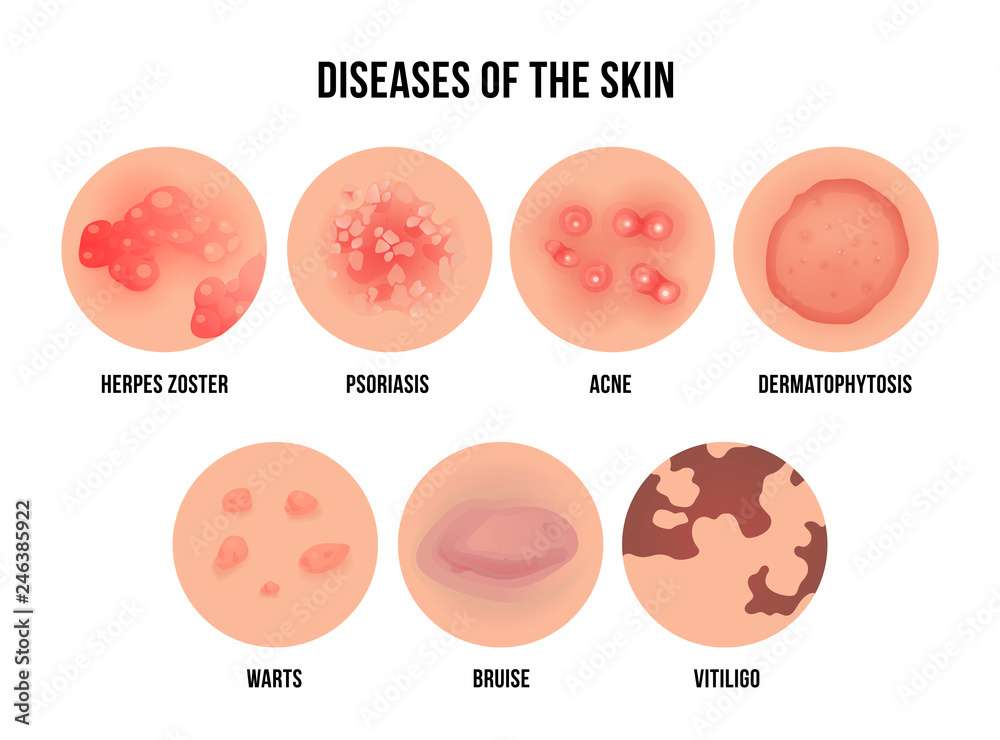
Hypertension, or high blood pressure, is a common condition that can lead to serious health issues if left untreated. It often has no symptoms, which makes regular monitoring essential.
- Symptoms: Often asymptomatic; headaches, shortness of breath, or nosebleeds in severe cases.
- Causes: Poor diet, lack of physical activity, genetics, and obesity can contribute to elevated levels.
- Diagnosis: Blood pressure is measured using a sphygmomanometer; multiple readings may be required for accurate diagnosis.
- Treatment Options: Lifestyle changes such as diet and exercise are first-line measures; medication may be prescribed if necessary.
- What to Expect: With consistent management engaging lifestyle adjustments and possible medications, blood pressure can be effectively controlled.
Early detection and proactive management of hypertension can significantly reduce the risk of complications such as heart disease or stroke.