
Dr Dilip Mehta
About Me
Dr Dilip Mehta
MBBS
General Physician
10 Years Experience
Biography
My Clinic
OPD Hours
| Monday | Morning | 10:00 AM | - | 02:00 PM |
| Evening | 06:00 PM | - | 09:00 PM | |
| Tuesday | Morning | 10:00 AM | - | 02:00 PM |
| Evening | 06:00 PM | - | 09:00 PM | |
| Wednesday | Morning | 10:00 AM | - | 02:00 PM |
| Evening | 06:00 PM | - | 09:00 PM | |
| Thursday | Morning | 10:00 AM | - | 02:00 PM |
| Evening | 06:00 PM | - | 09:00 PM | |
| Friday | Morning | 10:00 AM | - | 02:00 PM |
| Evening | 06:00 PM | - | 09:00 PM | |
| Saturday | Morning | 10:00 AM | - | 02:00 PM |
| Evening | 06:00 PM | - | 09:00 PM | |
| Sunday | Morning | 10:00 AM | - | 02:00 PM |
| Evening | 06:00 PM | - | 09:00 PM |
Treatments
Specialised care and treatments offered
SEASONAL ALLERGIES
Your body's immune response to allergens found in the environment—like pollen—can cause seasonal allergies also known as hay fever. Identifying triggers allows for better coping strategies during allergy season
.- .
- Symptoms: Generally manifest as sneezing fits,running/stuffy nose,dry throat,and itchy eyes which could hinder daily activities if not addressed promptly. / .
- Causes: Exposure mainly occurs during certain times of year depending on geographic location but varies widely based upon individual sensitivities. / .
- < Strong diagnosis:< / Strong bacterial/viral infections rule out some other causes while skin prick tests identify specific allergen responses leading towards treatment options available / .
- < Strong treatment:< / Strong antihistamines,saline nasal sprays,corticosteroid nasal sprays typically bring relief among those suffering / .
- < Strong what to expect:< / Strong understanding their own unique triggers helps people mitigate reactions,growing accustomed leads toward reduced occurrences over time per individual case. / .
Inevitably relying heavily upon consistent monitoring helps abate discomfort during peak seasons associated with pollen-rich periods ahead!
CHOLESTEROL MANAGEMENT

Elevated cholesterol levels can pose significant health risks including heart disease. Managing cholesterol is vital for overall cardiovascular health throughout one’s life span.
- Symptoms: High cholesterol typically has no direct symptoms but may lead to chest pain or heart attack over time if unchecked.
- Causes: Contributing factors include poor diet choices high in saturated fats and lack of physical activity.
- Diagnosis: Lipid profiles are performed via blood tests revealing total cholesterol levels as well as LDL (bad) & HDL (good) cholesterol ratios.
- Treatment: Lifestyle modifications such as healthier eating habits alongside medications (statins) may be prescribed when necessary.
- What to expect: Regular follow-up appointments will guide any adjustments needed regarding both diet management strategies and medications used.
Early intervention through routine screenings can prevent severe complications linked with higher cholesterol levels later on in life.
COMMON COLD
The common cold is a viral infection affecting the upper respiratory tract. While generally mild, it can impact daily life significantly due to its contagious nature and uncomfortable symptoms.
- Symptoms: Characterized by sneezing, runny or stuffy nose, sore throat, coughs, and sometimes mild fever.
- Causes:The primary cause is viral infections that spread through droplets from a cough or sneeze from an infected person
- Diagnosis: Typically diagnosed based on physical examination; lab tests are rarely needed for uncomplicated cases.
- Treatment: Focuses on alleviating symptoms through rest; hydration; over-the-counter pain relievers; decongestants; cough syrups.
- What to expect: Most colds resolve within 7-10 days but good hygiene practices play a key role in prevention.
Preventative measures like frequent handwashing will greatly reduce the risk of catching colds.
ASTHMA
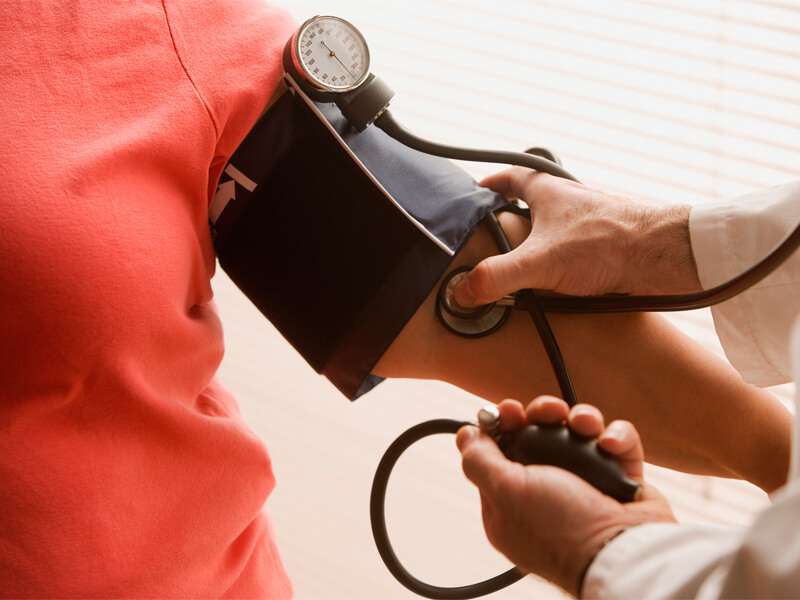
Asthma is a respiratory condition marked by difficulty in breathing due to inflamed airways. Recognizing symptoms early is crucial for effective management of this chronic disease.
- Symptoms: Includes wheezing, coughing (especially at night), chest tightness, and shortness of breath.
- Causes: Triggers can involve allergens like pollen or smoke, respiratory infections, or stress-related factors.
- Diagnosis: Lung function tests like spirometry assess the severity of asthma attacks.
- Treatment: Management may consist of inhaled corticosteroids or bronchodilators along with avoidance strategies for known triggers.
- What to expect: Regular follow-ups can aid in adjusting treatment plans based on symptom control; many people manage asthma effectively with proper care.
A proactive approach will improve the quality of life for individuals affected by asthma while minimizing risks associated with exacerbations.
DIABETES MANAGEMENT

Diabetes is a chronic condition that affects how your body metabolizes sugar (glucose). Understanding diabetes is essential for effective management and prevention of complications.
- Symptoms: Common signs include increased thirst, frequent urination, extreme fatigue, and blurred vision.
- Causes: Factors include genetic predisposition, inactivity, and poor dietary habits leading to insulin resistance.
- Diagnosis: Blood tests measuring fasting glucose levels help diagnose this condition.
- Treatment: Options range from dietary changes to medication or insulin therapy aimed at maintaining normal glucose levels.
- What to expect: With proper care and monitoring, many individuals with diabetes lead healthy lives without major complications.
Diligent management is key to preventing long-term health issues associated with diabetes.
HYPERTENSION
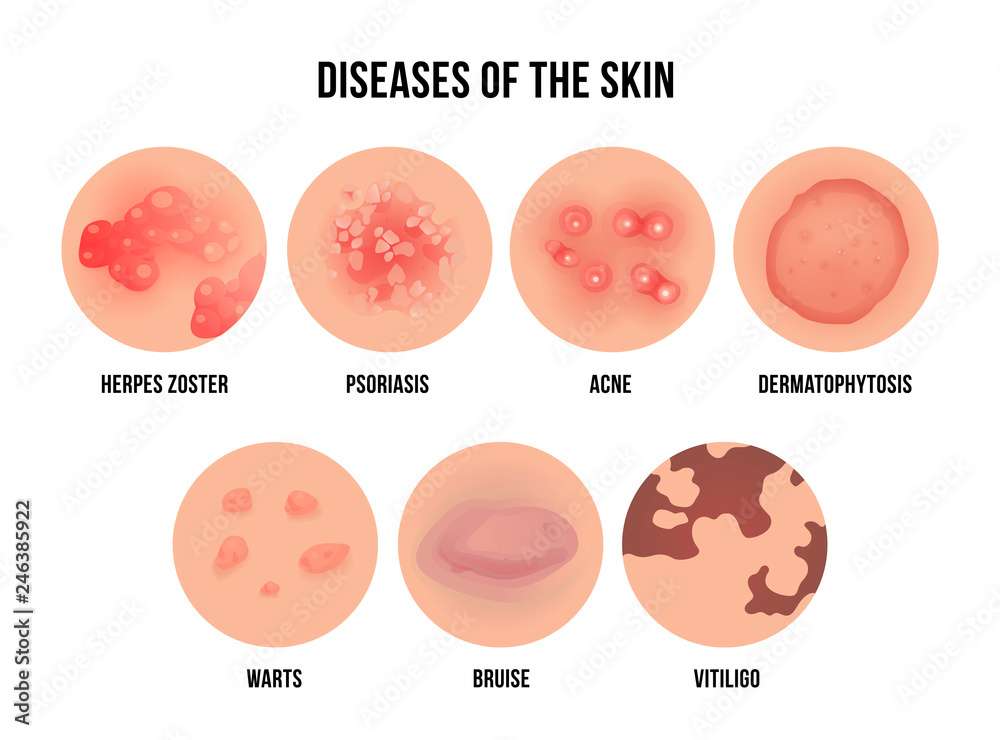
Hypertension, or high blood pressure, is a common condition that can lead to severe health complications if left unchecked. It often develops over many years and may go unnoticed until serious issues arise.
- Symptoms: Often asymptomatic, but can include headaches, shortness of breath, and nosebleeds.
- Causes: Risk factors include genetics, obesity, a sedentary lifestyle, and high salt intake.
- Diagnosis: Measured using a sphygmomanometer during regular check-ups or when symptoms are present.
- Treatment: Management options include lifestyle changes such as diet and exercise, and medications like diuretics or ACE inhibitors.
- What to expect: Regular monitoring and adjustment of treatment plans can help maintain a healthy blood pressure level.
If diagnosed early and managed properly, hypertension can be controlled effectively.