
Dr Dinesh Gupta,
About Me
Dr Dinesh Gupta,
MD
Oncologist
10 Years Experience
Biography
My Clinic
OPD Hours
| Monday | Morning | 10:00 AM | - | 02:00 PM |
| Evening | 06:00 PM | - | 09:00 PM | |
| Tuesday | Morning | 10:00 AM | - | 02:00 PM |
| Evening | 06:00 PM | - | 09:00 PM | |
| Wednesday | Morning | 10:00 AM | - | 02:00 PM |
| Evening | 06:00 PM | - | 09:00 PM | |
| Thursday | Morning | 10:00 AM | - | 02:00 PM |
| Evening | 06:00 PM | - | 09:00 PM | |
| Friday | Morning | 10:00 AM | - | 02:00 PM |
| Evening | 06:00 PM | - | 09:00 PM | |
| Saturday | Morning | 10:00 AM | - | 02:00 PM |
| Evening | 06:00 PM | - | 09:00 PM | |
| Sunday | Morning | 10:00 AM | - | 02:00 PM |
| Evening | 06:00 PM | - | 09:00 PM |
Treatments
Specialised care and treatments offered
PALLIATIVE CARE IN ONCOLOGY
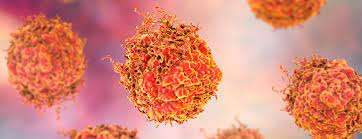
Palliative care focuses on improving quality of life for patients facing advanced cancer stages. This supportive approach addresses physical symptoms as well as emotional and psychological challenges associated with serious illness journeys.
- Symptom Management: Pain relief , nausea control , breathlessness alleviation & fatigue reduction among key goals .
- Multidisciplinary Approach: Care teams typically include oncologists , nurses , counselors & nutritionists collaborating closely .
- Emotional Support : Psychological counseling helps manage anxiety , depression & coping strategies related stresses during treatment .
- Family Involvement : Guidance provided not only assists patients but also supports caregivers dealing with complex needs .
This holistic model complements curative efforts ensuring dignity , comfort & compassionate care irrespective of prognosis .
CANCER SCREENING AND EARLY DETECTION
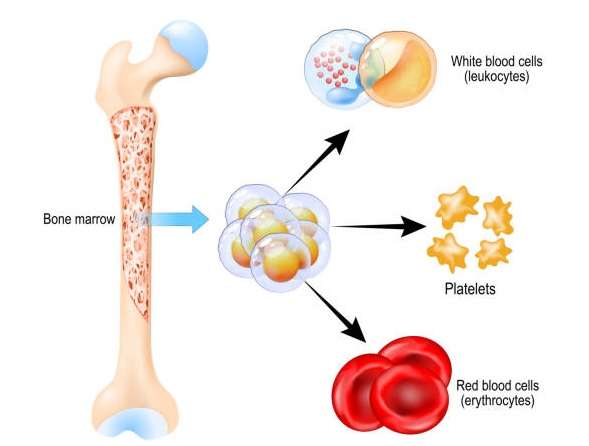
Lifestyle adjustments combined with regular early detection screenings significantly improve cancer outcomes by identifying disease before symptoms arise. Early diagnosis often results in more successful treatment options available for patients.
- Aims: Detect precancerous changes or early-stage tumors using imaging techniques, blood tests, and biopsies when necessary.
- Cancers Screened For: Includes breast, cervical, colorectal, lung (for high-risk individuals), and prostate cancers among others prioritized by risk factors age-wise allocation of resources is important too
HORMONAL THERAPY

Certain cancers depend on hormones for their growth. Hormonal therapy blocks or removes these hormones to slow down or stop tumor progression effectively without surgery in many cases.
- Cancer Types: Commonly applied in breast and prostate cancers where hormone receptors influence disease behavior strongly.
- Treatment Options: Includes medications that inhibit hormone production or block hormone receptors on cancer cells.
- Tolerability Profile: Side effects may range from hot flashes and mood changes to bone thinning requiring additional management strategies.
- Lifelong Consideration: Therapy duration varies; some patients require extended treatment periods for optimal control over recurrence risks.
This non-invasive option plays a crucial role in controlling hormone-sensitive malignancies with manageable side effects under supervision.
IMMUNOTHERAPY
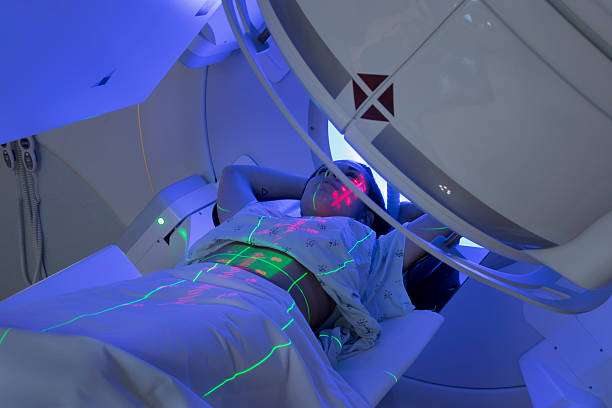
The immune system can be harnessed to fight cancer more effectively. Immunotherapy works by stimulating or restoring the body's ability to detect and destroy cancer cells naturally.
- Types: Includes checkpoint inhibitors, CAR-T cell therapy, and vaccines designed to enhance immune response against tumors.
- Treatment Process: Administered via injections or infusions over multiple sessions based on protocol-specific scheduling.
- Pitfalls: Common side effects include inflammation-related symptoms like fever, fatigue, and skin reactions; close monitoring is essential.
- Sustainability: Some patients experience long-lasting remission even after stopping therapy due to immune memory formation.
This modality offers hope especially in cancers resistant to conventional treatments by empowering the body's defense systems sustainably.
TARGETED THERAPY
This treatment focuses on molecules and pathways specifically involved in cancer cell growth. Targeted therapy offers precision by addressing molecular abnormalities unique to certain cancers.
- Identification: Genetic testing helps identify patients who might benefit from this approach.
- Mechanism: Drugs block specific proteins or genes driving cancer progression without affecting normal cells extensively.
- Tolerability: Generally causes fewer side effects compared to traditional chemotherapy but may still have unique risks such as rash or hypertension.
- Efficacy: Used alone or in combination with other treatments depending on tumor type and stage.
This approach represents a shift toward personalized medicine enabling more effective control of certain cancers with targeted interventions.
CHEMOTHERAPY
Cancer treatment often involves the use of powerful drugs to target rapidly dividing cells. Chemotherapy is a common systemic therapy designed to kill or slow the growth of cancer cells throughout the body.
- Purpose: Utilized for various cancers to shrink tumors, stop cancer cell growth, or relieve symptoms.
- Administration: Delivered intravenously, orally, or through other methods depending on specific protocols.
- Side Effects: May include fatigue, nausea, hair loss, and lowered immunity; side effects vary with drug type and dosage.
- Monitoring: Regular blood tests and clinical evaluations track treatment effectiveness and adjust doses as needed.
- Combination Approach: Often combined with surgery or radiation for improved outcomes.
Patients undergoing chemotherapy receive tailored care plans to maximize benefits while managing side effects effectively through supportive therapies.