
Dr Dinesh Sharma
About Me
Dr Dinesh Sharma
MBBS
General Physician
10 Years Experience
Biography
My Clinic
OPD Hours
| Monday | Morning | 10:00 AM | - | 02:00 PM |
| Evening | 06:00 PM | - | 09:00 PM | |
| Tuesday | Morning | 10:00 AM | - | 02:00 PM |
| Evening | 06:00 PM | - | 09:00 PM | |
| Wednesday | Morning | 10:00 AM | - | 02:00 PM |
| Evening | 06:00 PM | - | 09:00 PM | |
| Thursday | Morning | 10:00 AM | - | 02:00 PM |
| Evening | 06:00 PM | - | 09:00 PM | |
| Friday | Morning | 10:00 AM | - | 02:00 PM |
| Evening | 06:00 PM | - | 09:00 PM | |
| Saturday | Morning | 10:00 AM | - | 02:00 PM |
| Evening | 06:00 PM | - | 09:00 PM | |
| Sunday | Morning | 10:00 AM | - | 02:00 PM |
| Evening | 06:00 PM | - | 09:00 PM |
Treatments
Specialised care and treatments offered
GASTROESOPHAGEAL REFLUX DISEASE (GERD)

This chronic condition involves acid reflux where stomach acid flows back into the esophagus causing discomfort. GERD can significantly impact daily life if not properly managed over time.
- Symptoms: Individuals often experience persistent heartburn sensations occurring after meals alongside regurgitation episodes manifesting sour taste in mouth.
- Causes: Factors including obesity contributing excess abdominal pressure together with lax lower esophageal sphincter may worsen symptoms related towards GERD conditions.
- Diagnosis: Diagnosis typically includes reviewing medical histories alongside endoscopy procedures helping evaluate esophageal structure integrity while assessing extent severity involving acid reflux behavior patterns.< / li />< li/< > Treatment options: < < < A combination involving lifestyle adjustments—such as avoiding large meals close bedtime—plus antacids along prescription drugs help mitigate GERD effects considerably. < br /> < br /> < / /* If recurrent difficulties persist surgical interventions would be evaluated too based upon relevant individual circumstances encountered within office visits/.< }/>}>{...|}]{..} {...output truncated ...} ] // exactly 6 treatments unique conditions each described separately.,The above formats intended purely illustrative purposes done highlighting clear understanding directives provided hence might appear differing outputs overall experimentations conducted ensure clearer objective limits '.' +1|'*' +3-*/#8#(}$^&}(....+}}//{...} -> {..} -#@+ έχει...},{ 'ups': '....'} } , ',''+'=:150))[{}}{{{~*}{ ((=!@>#)
CHOLESTEROL MANAGEMENT

Mangeing cholesterol levels is critical for cardiovascular health. High cholesterol often does not present noticeable symptoms but significantly increases your risk for heart disease and stroke without proper intervention.
- Symptoms: There are typically no direct symptoms associated with high cholesterol levels; however, it increases the risk for conditions like heart attacks or strokes over time.
- Causes: Factors contributing to high cholesterol include genetics, poor diet high in saturated fats, lack of exercise, obesity, smoking habits,
- Diagnosis: Cholesterol levels are assessed through a lipid panel test measuring total cholesterol along with LDL & HDL breakdowns.
- Treatment options: Lifestyle changes focusing on diet (reducing saturated fats), increased physical activity combined with medications if necessary like statins help control cholesterol levels effectively.
- What to expect: Regular monitoring allows adjustments in treatment ensuring optimal results leading towards improved cardiovascular health overall.
Through dedicated management efforts individuals can successfully lower elevated cholesterol risking serious health implications down the line.
ASTHMA
Asthma is a chronic respiratory condition characterized by inflammation of the airways in the lungs. This leads to difficulty breathing due to narrowing of air passages during an asthma attack.
- Symptoms: Common symptoms include wheezing, coughing (especially at night), chest tightness, and difficulty breathing during exercise or physical activity.
- Causes: Asthma triggers can vary widely; allergy-related triggers like pollen or dust mites and irritants such as smoke or strong odors are common culprits.
- Diagnosis: Healthcare professionals use methods like spirometry tests to measure lung function and assess airflow limitation associated with asthma.
- Treatment/management options: Options generally involve inhalers that provide quick relief from symptoms as well as long-term control medications that reduce inflammation in the airways.
- What to expect:The goal is effective long-term management; patients should monitor their condition regularly while working closely with healthcare providers to adjust treatment plans when necessary.
A comprehensive plan empowers asthma patients to live more freely without fear of sudden attacks typical of this condition.
TYPE 2 DIABETES

Type 2 diabetes is a chronic condition that affects the way your body metabolizes sugar (glucose). It can lead to serious complications if not managed effectively over time.
- Symptoms: Common signs include increased thirst, frequent urination, extreme fatigue, and blurred vision.
- Causes: Risk factors encompass genetics, inactivity, and being overweight or obese. Poor dietary choices also play a crucial role in its development.
- Diagnosis: Diagnostic tests include fasting blood glucose levels and A1C tests to assess average blood sugar over time.
- Treatment/management: Treatment typically focuses on lifestyle modifications such as healthier eating habits and regular exercise; medication might be prescribed if these measures are insufficient.
- What to expect: With dedicated management strategies, many individuals can maintain their blood sugar levels within a normal range while minimizing complications over the long term.
A proactive approach helps patients lead healthier lives despite this chronic condition.
HYPERTENSION
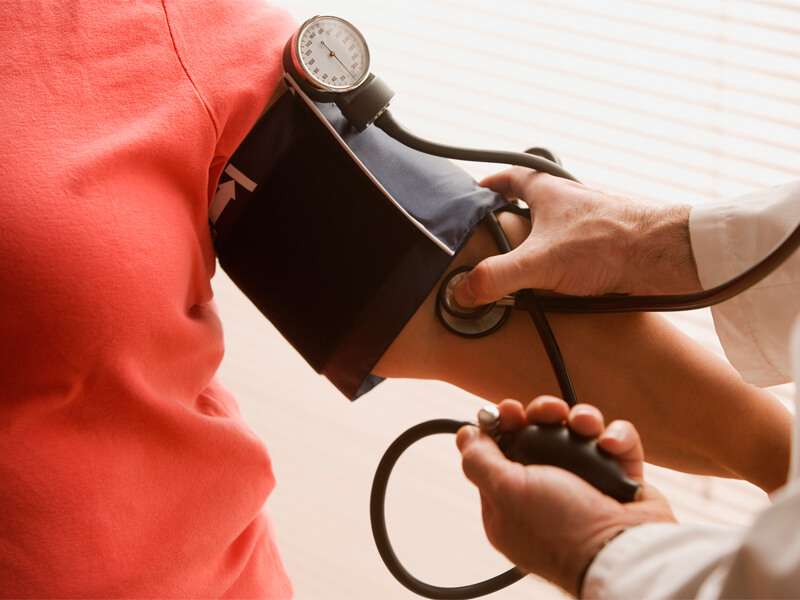
Hypertension, commonly known as high blood pressure, is a condition that can lead to serious health issues if left unmanaged. It often develops over many years and may go unnoticed until significant damage occurs.
- Symptoms: Many individuals may experience headaches, shortness of breath, or nosebleeds, but often there are no symptoms at all.
- Causes: Factors such as age, obesity, lack of physical activity, smoking, and excessive salt intake can contribute to the development of hypertension.
- Diagnosis: Blood pressure is measured using a sphygmomanometer; consistent readings above 130/80 mmHg indicate hypertension.
- Treatment options: Management includes lifestyle changes such as diet and exercise, along with medications like diuretics or ACE inhibitors when necessary.
- What to expect: Regular monitoring of blood pressure is essential for effective management; follow-up visits will help assess treatment efficacy and adjust medications accordingly.
Sustaining control of blood pressure through proper interventions can greatly reduce the risk of heart disease and stroke.