
Dr Dinesh Sharma
About Me
Dr Dinesh Sharma
MBBS
General Physician
10 Years Experience
Biography
My Clinic
OPD Hours
| Monday | Morning | 10:00 AM | - | 02:00 PM |
| Evening | 06:00 PM | - | 09:00 PM | |
| Tuesday | Morning | 10:00 AM | - | 02:00 PM |
| Evening | 06:00 PM | - | 09:00 PM | |
| Wednesday | Morning | 10:00 AM | - | 02:00 PM |
| Evening | 06:00 PM | - | 09:00 PM | |
| Thursday | Morning | 10:00 AM | - | 02:00 PM |
| Evening | 06:00 PM | - | 09:00 PM | |
| Friday | Morning | 10:00 AM | - | 02:00 PM |
| Evening | 06:00 PM | - | 09:00 PM | |
| Saturday | Morning | 10:00 AM | - | 02:00 PM |
| Evening | 06:00 PM | - | 09:00 PM | |
| Sunday | Morning | 10:00 AM | - | 02:00 PM |
| Evening | 06:00 PM | - | 09:00 PM |
Treatments
Specialised care and treatments offered
GASTROESOPHAGEAL REFLUX DISEASE (GERD) MANAGEMENT
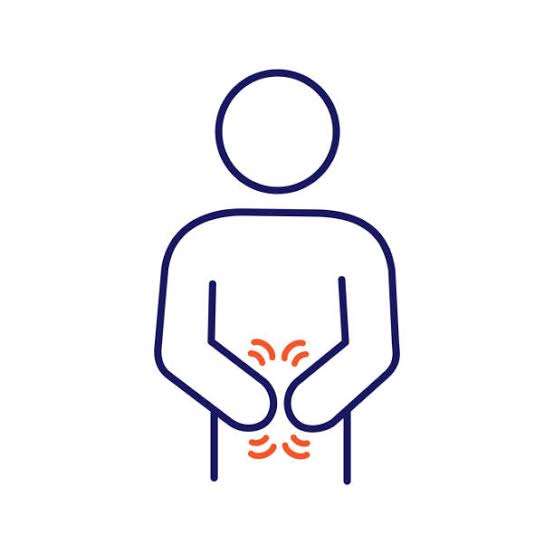
This digestive disorder happens when stomach acid frequently flows back into the esophagus irritating its lining causing discomfort commonly known as heartburn. Effective control optimizes patient comfort and prevents complications.
- Symptoms & triggers: Burning sensation in chest after eating; triggers include fatty foods coffee smoking obesity;
- Diagnosis: Primarily clinical based on history though endoscopy might be necessary in complicated cases;
- Treatment options: Lifestyle modifications like weight loss avoiding trigger foods alongside antacids proton pump inhibitors H2 blockers;
- What patients should expect: Symptom relief usually within weeks but ongoing management required for chronic cases;
Proper attention helps prevent esophageal damage improving long-term quality of life in affected individuals.
ANEMIA EVALUATION AND MANAGEMENT

Anemia occurs when there are insufficient red blood cells or hemoglobin to carry adequate oxygen throughout the body. It can result from various nutritional deficiencies or chronic diseases.
- S&S & causes:: Common signs include fatigue, pallor, dizziness; iron deficiency is most frequent cause but vitamin B12 or folate deficiencies also contribute along with chronic illnesses.
- Labs & diagnosis:: Complete blood count along with iron studies help determine the type and severity of anemia.
- Treatment methods:: Address underlying cause whether via iron supplementation dietary changes or managing chronic conditions causing anemia;
HYPOTHYROIDISM TREATMENT

This endocrine disorder results from insufficient thyroid hormone production impacting metabolism and overall bodily functions. Early recognition is important for effective treatment.
- Symptoms & causes: Fatigue, weight gain, cold intolerance, dry skin; causes include autoimmune diseases like Hashimoto’s thyroiditis or iodine deficiency.
- Diagnosis involves: Blood tests measuring TSH and thyroid hormone levels confirm hypothyroidism presence.
- Treatment approach: Daily oral levothyroxine replacement therapy restores normal hormone levels effectively.
- Monitoring protocol: Regular follow-up with thyroid function tests helps adjust medication dose as needed over time.
The prognosis is excellent when managed properly with sustained adherence to therapy ensuring symptom resolution and quality of life improvements.
CHRONIC OBSTRUCTIVE PULMONARY DISEASE (COPD) MANAGEMENT
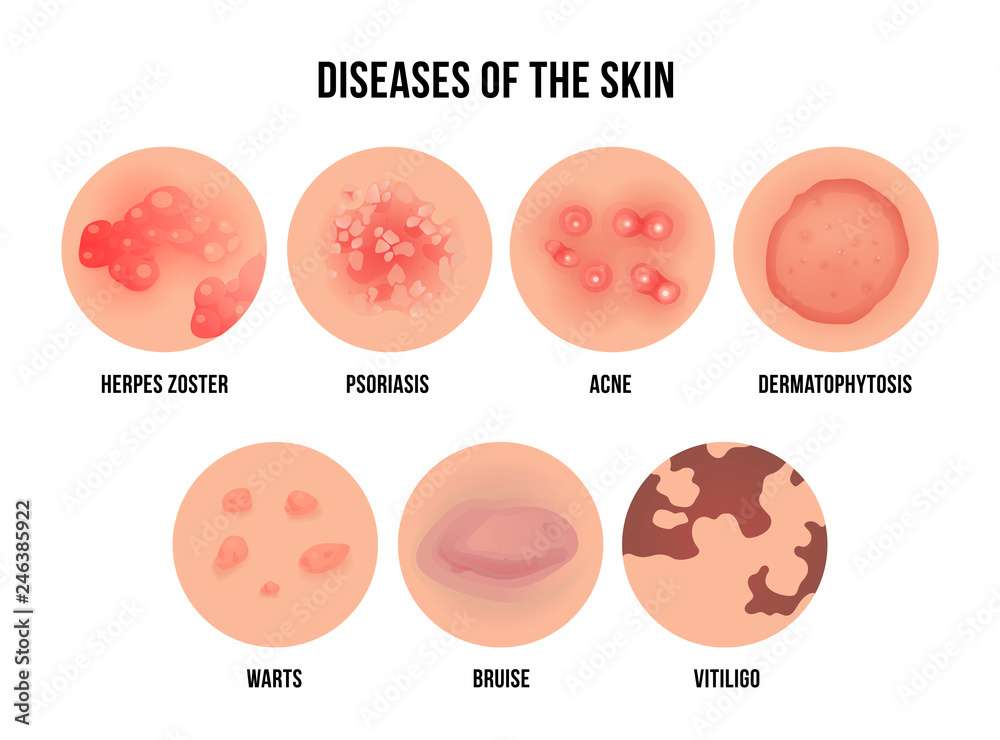
COPD is a progressive lung disease characterized by airflow limitation making breathing difficult over time. It mainly affects smokers or those exposed to lung irritants.
- Main causes & symptoms: Chronic bronchitis or emphysema cause persistent cough, sputum production, and shortness of breath especially on exertion.
- Diagnostic tools: Pulmonary function tests measure lung capacity; chest X-rays may also be used.
- Treatment options include: Smoking cessation, inhaled bronchodilators and steroids to reduce inflammation and improve airflow.
- Lifestyle adjustments: Pulmonary rehabilitation exercises improve endurance; avoiding pollutants is recommended.
A comprehensive approach slows disease progression and enhances daily functioning for affected individuals.
TYPE 2 DIABETES CARE

This metabolic disorder affects how your body processes blood sugar (glucose), leading to elevated levels that can cause various complications.
- Causes & symptoms: Insulin resistance often develops over years; symptoms may include frequent urination, increased thirst, fatigue, and blurred vision.
- Diagnosis: Blood tests like fasting glucose or HbA1c help confirm the condition.
- Treatment strategies: A combination of dietary modifications, regular exercise, oral hypoglycemic agents, or insulin therapy if necessary.
- Monitoring: Regular blood sugar checks with periodic screening for eye, kidney, or nerve complications are crucial.
Lifelong management improves quality of life and helps avoid serious health risks associated with poor glucose control.
HYPERTENSION MANAGEMENT
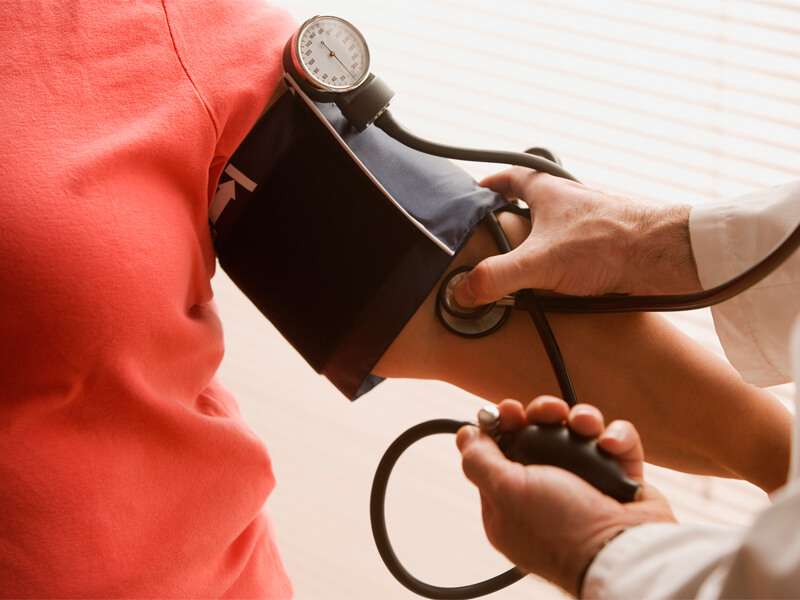
High blood pressure is a common but serious condition that requires regular monitoring and lifestyle adjustments. Uncontrolled hypertension can lead to significant cardiovascular problems.
- Symptoms and causes: Often called the 'silent killer,' it may have no symptoms but factors include genetics, diet high in salt, obesity, and stress.
- Diagnosis: Blood pressure readings taken on multiple occasions help confirm the diagnosis.
- Treatment: Lifestyle changes like reduced salt intake, increased physical activity, weight loss, along with prescribed antihypertensive medications.
- Management: Regular check-ups to monitor blood pressure and medication side effects are essential.
- Outlook: With proper control, complications such as stroke or heart disease can be effectively prevented.
Understanding and managing hypertension early is vital for long-term cardiovascular health and well-being.