
Dr Dinesh Solunke
About Me
Dr Dinesh Solunke
General Physician
Biography
My Clinic
OPD Hours
| Tuesday | Morning | 10:00 AM | - | 02:00 PM |
| Evening | 06:00 PM | - | 09:00 PM | |
| Wednesday | Morning | 10:00 AM | - | 02:00 PM |
| Evening | 06:00 PM | - | 09:00 PM | |
| Thursday | Morning | 10:00 AM | - | 02:00 PM |
| Evening | 06:00 PM | - | 09:00 PM | |
| Friday | Morning | 10:00 AM | - | 02:00 PM |
| Evening | 06:00 PM | - | 09:00 PM | |
| Saturday | Morning | 10:00 AM | - | 02:00 PM |
| Evening | 06:00 PM | - | 09:00 PM | |
| Sunday | Morning | 10:00 AM | - | 02:00 PM |
| Evening | 06:00 PM | - | 09:00 PM | |
| Thursday | Morning | 10:00 AM | - | 02:00 PM |
| Evening | 06:00 PM | - | 09:00 PM |
Treatments
Specialised care and treatments offered
THYROID DISORDERS

This group of conditions affects thyroid hormone production which regulates metabolism. Addressing thyroid issues early leads to better management outcomes over time..
.- Symptoms:- - Fatigue
- Weight changes
- Mood swings
- Causes might involve autoimmune disorders,
,medications or genetics.;
- Diagnosis frequently involves blood tests measuring levels of TSH (Thyroid-Stimulating Hormone) alongside T3/T4 hormones; ,. - Treatment approaches depend on whether there’s hypo- or hyperthyroidism ;options consist mostly in hormone replacement therapy meanwhile regular monitoring ensures effectiveness throughout months ahead.;/ili>;As always seek medical advice should problems arise again;;.suitable looking after yourself promotes quality living despite these challenges.
GASTROENTERITIS
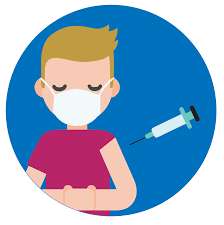
This inflammation of the stomach and intestines leads to uncomfortable symptoms such as diarrhea and vomiting. Proper hydration is key during this illness.
Nausea,- - Symptoms:
- Abdominal cramps
- Diarrhea
- Nausea & vomiting
- Causes:
Exposure to contaminated food or water,
and viruses like norovirus;
- Treatment focuses on managing symptoms through fluids while gradual reintroduction of foods can aid recovery;- What to expect:
Monitoring continued hydration while easing back into normal eating routines offers the best path forward; consult your physician for personalized strategies in complex cases.If signs persist beyond several days it’s advised...
RESPIRATORY INFECTIONS
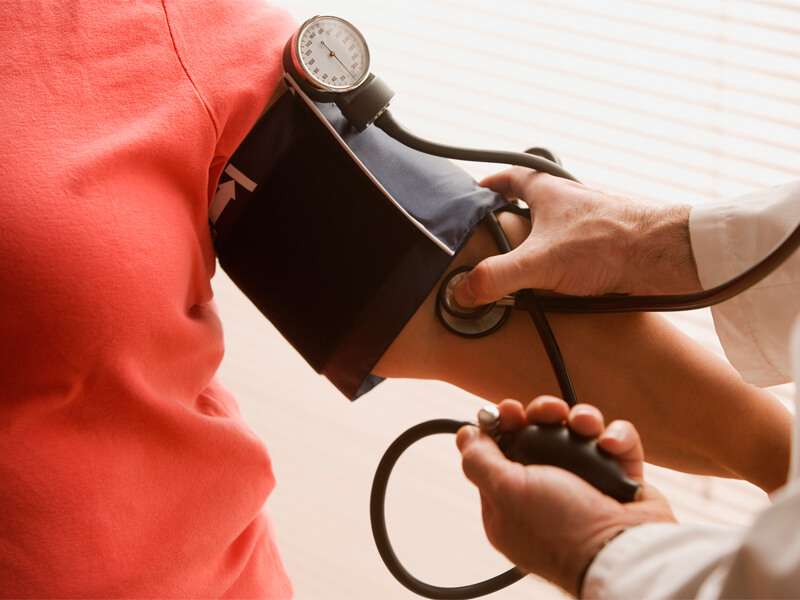
Respiratory infections encompass a range of illnesses affecting the lungs and airways. Early detection is important for effective treatment and recovery.
- Symptoms: Patients may experience cough, sore throat, shortness of breath, or fever depending on the infection's severity.
- Causes: These infections can be viral or bacterial in origin. Common colds and influenza are frequent causes during seasonal shifts. A diagnosis usually involves: physical examinations coupled with medical history assessments; sometimes imaging studies like chest X-rays may be required.
The prognosis improves significantly when treated promptly; therefore seeking medical help early is advised to prevent complications.
DIABETES MELLITUS
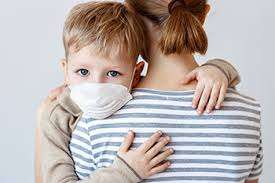
This chronic condition affects how your body processes glucose, leading to elevated blood sugar levels. Management is crucial to prevent further health complications.
- Symptoms: Common signs include increased thirst, frequent urination, extreme fatigue, and blurred vision.
- Causes: Type 1 diabetes has genetic links whereas Type 2 often develops due to poor diet and lack of exercise.
- Diagnosis: Blood tests including fasting glucose levels and HbA1c are used to confirm diabetes.
- Treatment: Options may range from oral medications for Type 2 diabetes to insulin therapy for Type 1 diabetes alongside lifestyle adjustments.
- What to Expect: Consistent monitoring of blood sugar levels is essential for effective management and minimizing long-term risks.
If managed properly through medication and lifestyle changes, those with diabetes can lead a healthy and fulfilling life.
HYPERTENSION
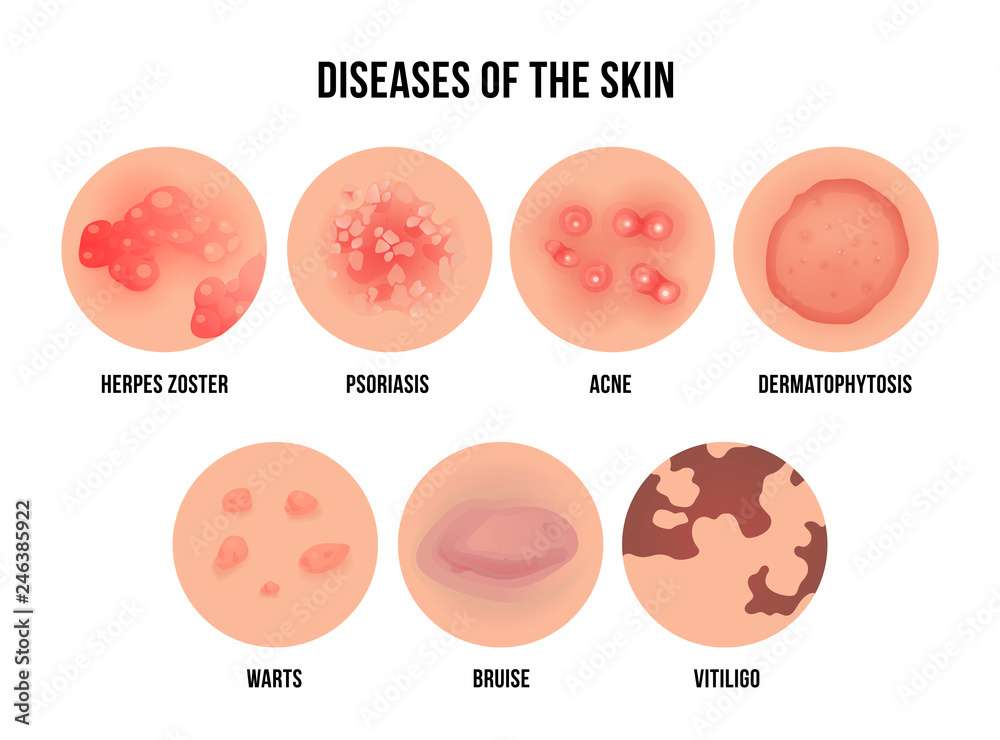
Hypertension, commonly known as high blood pressure, is a prevalent condition that often goes unnoticed. It can lead to serious health complications such as heart disease and stroke if left untreated.
- Symptoms: Many individuals experience no symptoms; however, some may report headaches, dizziness, or nosebleeds.
- Causes: Factors include genetic predisposition, excessive salt intake, obesity, and sedentary lifestyle.
- Diagnosis: Blood pressure readings are taken multiple times under different conditions to accurately diagnose hypertension.
- Treatment: Management often includes lifestyle changes such as diet and exercise, along with antihypertensive medications when necessary.
- What to Expect: Regular monitoring of blood pressure will help track progress, and ongoing communication with your healthcare provider is crucial for optimal management.
Addressing hypertension early on can significantly reduce the risk of severe complications. Lifestyle modifications play a vital role in controlling this condition.