
Dr Dinesh Swarup
About Me
Dr Dinesh Swarup
MD
Dermatologist
10 Years Experience
Biography
My Clinic
OPD Hours
| Monday | Morning | 10:00 AM | - | 02:00 PM |
| Evening | 06:00 PM | - | 09:00 PM | |
| Tuesday | Morning | 10:00 AM | - | 02:00 PM |
| Evening | 06:00 PM | - | 09:00 PM | |
| Wednesday | Morning | 10:00 AM | - | 02:00 PM |
| Evening | 06:00 PM | - | 09:00 PM | |
| Thursday | Morning | 10:00 AM | - | 02:00 PM |
| Evening | 06:00 PM | - | 09:00 PM | |
| Friday | Morning | 10:00 AM | - | 02:00 PM |
| Evening | 06:00 PM | - | 09:00 PM | |
| Saturday | Morning | 10:00 AM | - | 02:00 PM |
| Evening | 06:00 PM | - | 09:00 PM | |
| Sunday | Morning | 10:00 AM | - | 02:00 PM |
| Evening | 06:00 PM | - | 09:00 PM |
Treatments
Specialised care and treatments offered
ROSACEA CONTROL STRATEGIES
A chronic inflammatory disorder predominantly affecting facial blood vessels resulting in persistent redness along cheeks, nose bridge and chin accompanied by bumps similar to acne. It mostly impacts adults between 30-50 years old but can appear at any age group too .
- Clinical features include: Flushing episodes triggered by heat , spicy foods or emotional stress with visible small dilated blood vessels & occasional pustules .
- Diagnosis basis: Mainly clinical recognition supported by patient history excluding other mimicking disorders .
- Treatment emphasis lies on: Avoidance of known triggers , use of prescribed topical metronidazole or azelaic acid creams , oral antibiotics if inflammation severe ; laser therapy might be considered in persistent vascular cases .
- Lifestyle modifications consist of: Sun protection measures , gentle skincare avoiding alcohol-containing products ensuring better symptom control .
Early intervention & adherence improve outcomes considerably diminishing visible signs enhancing confidence & wellbeing long term .
SEBORRHEIC DERMATITIS MANAGEMENT
This condition causes oily patches covered with flaky scales usually on the scalp but also affecting areas rich in sebaceous glands like the face or upper chest. It commonly presents as dandruff in mild cases but may become more inflamed over time.
- Main symptoms include: Mild redness with greasy scaling that causes itching discomfort especially during flare-ups.
- Diagnostic method: Clinical evaluation based on characteristic appearance and distribution confirms diagnosis without need for invasive tests usually.
- Treatment plan involves: Antifungal shampoos (ketoconazole), mild topical steroids for inflammation control during exacerbations alongside regular cleansing routines to reduce scale accumulation .
- Lifestyle advice includes: Managing stress & avoiding harsh soaps which may aggravate the condition thus limiting flares .
Proper adherence helps maintain remission phases enhancing patient comfort significantly .
HYPERPIGMENTATION TREATMENT
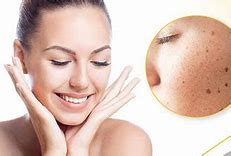
Hyperpigmentation refers to darkened areas of skin caused by increased melanin production. It often results from sun exposure or inflammation and affects cosmetic appearance prominently on exposed areas like the face.
- Causative factors: Sun damage (UV radiation), post-inflammatory changes following acne or injury are principal contributors.
- Differential diagnosis: Clinical evaluation distinguishes benign pigmentation from other serious conditions such as melanoma.
- Treatment modalities: Include topical bleaching agents like hydroquinone, chemical peels; plus strict photoprotection with sunscreen use daily is essential.
- Lifestyle tips: Wearing protective clothing and hats outdoors reduces new pigmentation formation significantly.
A gradual improvement is expected over weeks; consistent sun avoidance enhances treatment efficacy reducing recurrence risks effectively.
ECZEMA (ATOPIC DERMATITIS) MANAGEMENT
Eczema is an inflammatory skin disorder marked by dry, itchy patches that tend to worsen periodically. It commonly affects children but can persist or start in adulthood as well.
- Main features: Dryness, redness, intense itching which may lead to scratching-induced skin damage.
- How it’s diagnosed: Through clinical history and examination focusing on distribution pattern and symptoms.
- Therapeutic options: Moisturizers to restore barrier function; topical steroids or calcineurin inhibitors for flare control are standard treatments.
- Avoidance strategies: Identifying triggers such as allergens or irritants helps prevent exacerbations.
A good skincare routine combined with trigger avoidance forms the foundation of long-term eczema control for better quality of life.
PSORIASIS CARE
The chronic autoimmune nature of psoriasis leads to rapid skin cell buildup causing thickened, scaly patches that often itch or hurt. It can vary in severity from small localized areas to extensive body involvement.
- Symptoms: Red plaques with silvery scales commonly appear on elbows, knees, scalp; itching or discomfort may also occur.
- Diagnosis process: Based on physical examination; sometimes a skin biopsy is performed to confirm diagnosis.
- Treatment approaches: Include topical corticosteroids, vitamin D analogues, phototherapy, and systemic medications for severe cases.
- Lifestyle considerations: Smoking cessation and managing stress can help reduce flare frequency.
A personalized management plan optimizes symptom control while minimizing side effects associated with treatments.
ACNE VULGARIS MANAGEMENT
Acne vulgaris is a common skin condition characterized by pimples, blackheads, and whiteheads primarily on the face, chest, and back. It affects individuals of various ages but is most frequent during adolescence.
- Causes and symptoms: Caused by clogged pores from excess oil, dead skin cells, and bacteria leading to inflammation; symptoms include red bumps, pustules, and sometimes cysts.
- Diagnosis: Typically made through clinical examination assessing lesion type and severity.
- Treatment options: Includes topical retinoids, benzoyl peroxide, antibiotics for inflammation control, and lifestyle changes such as gentle cleansing routines.
- Management strategies: Avoiding oily cosmetics, maintaining a balanced diet, and stress reduction can reduce flare-ups.
- What to expect: Improvement over weeks with consistent treatment; some cases may require ongoing maintenance therapy to prevent recurrence.
Understanding acne's multifactorial causes can empower patients to engage actively in their skincare regimen for optimal results.