
Dr Dinyar F Daruwala
About Me
Dr Dinyar F Daruwala
Cardiologist
Biography
My Clinic
OPD Hours
| Tuesday | Morning | 10:00 AM | - | 02:00 PM |
| Evening | 06:00 PM | - | 09:00 PM | |
| Wednesday | Morning | 10:00 AM | - | 02:00 PM |
| Evening | 06:00 PM | - | 09:00 PM | |
| Thursday | Morning | 10:00 AM | - | 02:00 PM |
| Evening | 06:00 PM | - | 09:00 PM | |
| Friday | Morning | 10:00 AM | - | 02:00 PM |
| Evening | 06:00 PM | - | 09:00 PM | |
| Saturday | Morning | 10:00 AM | - | 02:00 PM |
| Evening | 06:00 PM | - | 09:00 PM | |
| Sunday | Morning | 10:00 AM | - | 02:00 PM |
| Evening | 06:00 PM | - | 09:00 PM | |
| Thursday | Morning | 10:00 AM | - | 02:00 PM |
| Evening | 06:00 PM | - | 09:00 PM |
Treatments
Specialised care and treatments offered
TRANSCATHETER AORTIC VALVE REPLACEMENT (TAVR)

TAVR is an innovative procedure aimed at replacing narrowed aortic valves via catheterization rather than open-heart surgery. It’s particularly beneficial for high-risk surgical patients who may not tolerate traditional operations well.
- Affected individuals might experience severe breathing difficulties or exhaustion due to compromised valve function over time. < li| The diagnosis typically employs imaging techniques like echocardiograms alongside clinical assessments by cardiovascular specialists.
- During TAVR insertion, a new valve is delivered through a small incision often located in the femoral artery without general anesthesia required in most cases.
- Recovery times can be shorter compared with open-heart procedures while yielding similar improvements in patient outcomes concerning symptom relief.
- Post-procedure follow-ups play an integral role in monitoring recovery progress ensuring no complications arise after valve placement therapy
AUTOMATIC IMPLANTABLE CARDIOVERTER-DEFIBRILLATOR (AICD)
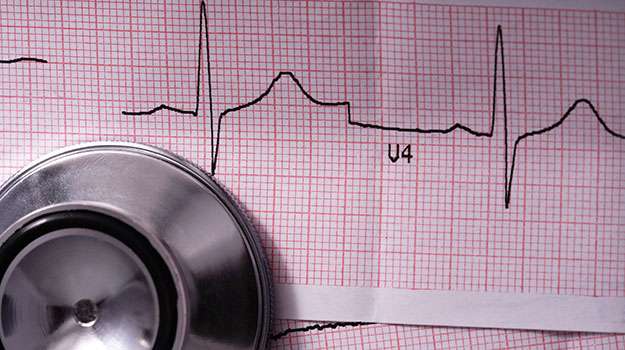
An Automatic Implantable Cardioverter-Defibrillator (AICD) is designed for patients at risk of life-threatening arrhythmias. This device monitors heart rhythms continuously and can provide immediate treatment if needed.
- Candidates often have a history of arrhythmia-related events or significant risk factors for sudden cardiac arrest.
- The diagnosis involves comprehensive evaluations including echocardiograms and stress testing before device implantation.
- Treatment with AICD provides reassurance by delivering electric shocks when it detects dangerous rhythms automatically.
- PATIENTS USUALLY FEEL MORE SECURE IN DAILY ACTIVITIES KNOWING THE DEVICE IS CONSTANTLY MONITORING THEIR HEART HEALTH.
LIVING WITH AN AICD REQUIRES UNDERSTANDING ITS FUNCTIONS AND REGULAR CHECK-UPS TO MONITOR DEVICE PERFORMANCE OVER TIME.
HEART BYPASS SURGERY
Heart bypass surgery is performed when coronary arteries are blocked. The aim is to create new paths around these obstructions, enhancing blood flow to the heart muscle effectively.
- Patients may experience symptoms like angina (chest pain), fatigue, or excessive breathlessness during mild exertion due to reduced blood supply.
- The diagnosis usually includes non-invasive tests followed by coronary angiography.
- Surgical options include traditional bypass techniques or off-pump procedures depending on individual cases.
- The recovery process includes hospital stays followed by rehabilitation programs designed to strengthen cardiac health.
- Post-surgery lifestyle changes are vital for long-term success in maintaining artery health.
This technique has proven effective in relieving symptoms of angina while reducing risks related to future cardiac events.
ELECTROPHYSIOLOGY STUDY
An electrophysiology study (EPS) assesses the electrical conduction system of the heart. It's vital for diagnosing arrhythmias that disrupt normal heart rhythm.
- Symptoms might include palpitations, dizziness, or fainting spells due to irregular heartbeats.
- The diagnosis is obtained using specialized catheters inserted into the heart's chambers to map electrical signals precisely.
- Treatment options may involve catheter ablation, where targeted energy destroys tissue causing abnormal rhythms.
- Patients can expect to feel relief from symptoms following successful treatment and return to normal activities relatively quickly after recovery.
- A follow-up plan ensures that any changes in rhythm are monitored over time post-procedure.
This advanced diagnostic tool plays a crucial role in tailoring appropriate treatments for arrhythmia management.
AORTIC VALVE REPLACEMENT
Aortic valve replacement is crucial for patients suffering from severe aortic valve stenosis or regurgitation. This surgical intervention helps restore proper heart function and blood flow through the body.
- Common symptoms include fatigue, chest pain, and shortness of breath during physical activity.
- Diagnosis involves echocardiograms and other imaging techniques to assess valve structure and function accurately.
- Surgeons may perform either traditional open-heart surgery or utilize minimally invasive techniques based on patient needs.
- Post-surgery recovery varies but generally leads to improved energy levels and reduced symptoms of heart failure.
- Continuous monitoring is essential to manage any complications post-replacement effectively.
This procedure significantly enhances survival rates and quality of life for patients with severe aortic conditions.
CORONARY ANGIOPLASTY
Coronary angioplasty is a minimally invasive procedure used to treat narrowed arteries in the heart. This technique restores blood flow to the heart muscle, which is crucial for overall heart function.
- The condition often arises from plaque buildup, leading to chest pain, shortness of breath, or even heart attacks.
- Diagnosis typically involves tests such as coronary angiography, which visualizes blood vessels using X-ray imaging.
- Treatment may include balloon dilation and stenting to keep the arteries open after the angioplasty.
- Patients can expect improvement in symptoms and quality of life following recovery.
- Regular follow-ups are necessary to monitor heart health and prevent further complications.
This procedure has become a standard method for managing coronary artery disease effectively.