
Dr Dipit Sahu
About Me
Dr Dipit Sahu
Orthopaedic Surgeons
Biography
My Clinic
OPD Hours
| Tuesday | Morning | 10:00 AM | - | 02:00 PM |
| Evening | 06:00 PM | - | 09:00 PM | |
| Wednesday | Morning | 10:00 AM | - | 02:00 PM |
| Evening | 06:00 PM | - | 09:00 PM | |
| Thursday | Morning | 10:00 AM | - | 02:00 PM |
| Evening | 06:00 PM | - | 09:00 PM | |
| Friday | Morning | 10:00 AM | - | 02:00 PM |
| Evening | 06:00 PM | - | 09:00 PM | |
| Saturday | Morning | 10:00 AM | - | 02:00 PM |
| Evening | 06:00 PM | - | 09:00 PM | |
| Sunday | Morning | 10:00 AM | - | 02:00 PM |
| Evening | 06:00 PM | - | 09:00 PM | |
| Thursday | Morning | 10:00 AM | - | 02:00 PM |
| Evening | 06:00 PM | - | 09:00 PM |
Treatments
Specialised care and treatments offered
TENDONITIS
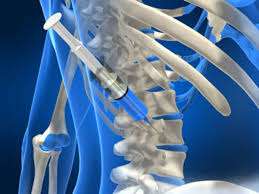
Tendonitis refers to inflammation of tendons resulting commonly from overuse leading painful experiences for active individuals across various age groups. Understanding its nuances aids better management!
- Symptoms : Patients often experience localized pain stiffness especially upon engaging affected areas with sensations escalating gradually leading potential limitations functional capabilities later down line if ignored altogether !
- Causes < // FAQ Section - Tailored specifically for Dr Dipit Sahu's patients located within Mumbai addressing concerns prevalent seeking assurance through dialogue regarding Orthopaedic Surgeons expertise . >/l i = Do you have more questions regarding your specific needs? Rest assured; we’re committed addressing them realistically ensuring absolute clarity throughout process helping address anxieties comprehensively while prioritizing health above all else!
ANKLE SPRAINS

Ankle sprains are common injuries where ligaments around the ankle stretch or tear usually due to rolling or twisting movements during sports activities. Immediate care is important yet preventive measures also hold value!
- Symptoms : Symptoms typically manifest as swelling bruising tenderness along with pain that worsens when attempting any mobility!
- Causes : Ankle sprains occur predominantly among athletes engaging rigorous activities but they can affect anyone needing attention promptly regardless background!
- Diagnosis : Diagnosing ankle sprains generally entails physical examinations assessments ruling out fractures using advanced imaging techniques like MRIs if necessary!
- Treatment techniques : Initial management might comprise RICE (rest iced compression elevation), followed possibly by rehabilitative therapies strengthening targeted areas where recovery remains paramount alongside professional advice.
- Expectations post-injury : While mild sprains heal quickly most moderate-to-severe cases could take several weeks demanding patience combined focused efforts towards rehabilitation thereby helping restore full function!
Timely intervention alongside adherence prescribed protocols enhances favorable outcomes significantly during healing processes!
CARPAL TUNNEL SYNDROME

This condition arises when pressure builds up within the carpal tunnel located at the wrist. It results in discomfort for individuals performing repetitive hand movements regularly.
- Symptoms: Common signs include numbness tingling in fingers especially during nighttime which may affect daily tasks significantly if untreated!
HIP FRACTURES

Hip fractures are among the most serious injuries affecting older adults. They typically occur from falls but can result from weakened bones due to osteoporosis as well.
- Symptoms: Characteristic symptoms include severe hip or groin pain, inability to move the leg on the injured side, and discomfort while standing or walking.
- Causes: The primary causes are falls related to balance issues; additionally, low bone density significantly increases fracture risk among seniors.
- Diagnosis: Diagnosis generally includes a thorough physical examination followed by X-rays to visualize fractures clearly.
- Treatment options: Treatment often requires surgical intervention such as fixation devices or hip replacement surgeries depending on fracture severity; rehabilitation plays an essential role post-surgery too.
- Expectations: Recovery timelines vary based on age and overall health; however, with proper care and rehabilitation strategies in place many regain independence shortly thereafter.
The focus should remain on fall prevention strategies post-recovery to minimize risks of future fractures.
ROTATOR CUFF INJURY

A rotator cuff injury encompasses damage to the group of muscles and tendons surrounding the shoulder joint. This condition can lead to limited range of motion and pain in daily activities.
- Symptoms: Symptoms often include shoulder pain during arm movement, weakness in lifting objects, and difficulty sleeping on the affected side.
- Causes: Common causes are repetitive overhead motions, acute injuries from falls or accidents, and degeneration due to aging.
- Diagnosis: Diagnosis typically involves a physical exam along with imaging tests such as ultrasound or MRI to confirm the extent of injury.
- Treatment options: Non-surgical approaches like rest, ice application, anti-inflammatory medications, or physical therapy are often effective; however, surgery may be necessary for severe tears.
- Expectations: With appropriate treatment plans in place, many patients achieve significant improvement in pain relief and functionality over time.
Pursuing timely care can greatly improve recovery outcomes following a rotator cuff injury.
KNEE OSTEOARTHRITIS

Knee osteoarthritis is a degenerative joint disease characterized by the wear and tear of cartilage in the knee. This condition often develops gradually, impacting mobility and causing discomfort.
- Symptoms: Common symptoms include joint pain, stiffness, and swelling around the knee, particularly after activity or prolonged sitting.
- Causes: Factors contributing to knee osteoarthritis include aging, previous injuries, obesity, and genetic predisposition.
- Diagnosis: A comprehensive evaluation may involve a physical examination, X-rays, and MRI scans to assess joint damage.
- Treatment options: Management strategies may include lifestyle modifications, physical therapy, medications for pain relief, or surgical interventions like arthroscopy or knee replacement in severe cases.
- Expectations: Patients can expect a tailored management plan that emphasizes restoring function and alleviating pain. Progress may vary based on individual conditions.
Early intervention is crucial for managing symptoms effectively and enhancing quality of life.