
Dr Dipti Patel
About Me
Dr Dipti Patel
General Physician
Biography
My Clinic
OPD Hours
| Tuesday | Morning | 10:00 AM | - | 02:00 PM |
| Evening | 06:00 PM | - | 09:00 PM | |
| Wednesday | Morning | 10:00 AM | - | 02:00 PM |
| Evening | 06:00 PM | - | 09:00 PM | |
| Thursday | Morning | 10:00 AM | - | 02:00 PM |
| Evening | 06:00 PM | - | 09:00 PM | |
| Friday | Morning | 10:00 AM | - | 02:00 PM |
| Evening | 06:00 PM | - | 09:00 PM | |
| Saturday | Morning | 10:00 AM | - | 02:00 PM |
| Evening | 06:00 PM | - | 09:00 PM | |
| Sunday | Morning | 10:00 AM | - | 02:00 PM |
| Evening | 06:00 PM | - | 09:00 PM | |
| Thursday | Morning | 10:00 AM | - | 02:00 PM |
| Evening | 06:00 PM | - | 09:00 PM |
Treatments
Specialised care and treatments offered
ALLERGY ASSESSMENT
An allergy assessment identifies substances causing allergic reactions which manifest through various symptoms when exposed. Understanding triggers facilitates better management strategies ensuring improved quality of life!
GASTROESOPHAGEAL REFLUX DISEASE (GERD)

This digestive disorder occurs when stomach acid frequently flows back into the esophagus. Recognizing GERD's symptoms ensures timely intervention for relief from discomfort!
- Symptoms: Typical signs include heartburn , regurgitation , difficulty swallowing along with chest pain that may mimic cardiac events !
- Causes: Factors contributing include obesity , smoking habits or pregnancy combined with certain foods encouraging reflux episodes .
- Diagnosis: Diagnosis often involves endoscopy procedures that inspect the esophagus alongside symptom evaluation by healthcare professionals .
- Treatment: Lifestyle changes such as weight loss , dietary adjustments avoiding irritants followed by medications aim at reducing acidity levels within gastric contents .
- What to expect: By adhering diligently towards recommended treatment protocols while incorporating manageable lifestyle alterations allows effective symptom relief long-term!
If left untreated GERD can lead into more serious issues thus prioritizing effective strategies before they escalate remains paramount! Maintain open communication regarding digestive concerns during consultations tailored specifically toward alleviating distress associated with these gastrointestinal challenges !
ASTHMA MANAGEMENT
A chronic respiratory condition known as asthma affects airways by causing inflammation that leads to difficulty in breathing. Understanding its triggers helps manage symptoms effectively!
- Symptoms: Frequent coughing, wheezing, shortness of breath or chest tightness typically characterize an asthma attack .
- Causes: Common asthma triggers include allergens like pollen or dust mites , respiratory infections , cold air , exercise or smoke .
- Diagnosis: Healthcare providers assess asthma through physical examinations complemented by lung function tests determining airflow obstruction severity .
- Treatment: Management generally involves avoiding known triggers , using inhalers containing bronchodilators alongside corticosteroids when necessary .
- What to expect: With appropriate care measures in place , asthmatic individuals can achieve control over their symptoms allowing them active engagement in daily activities .
Asthma can significantly impact one's quality of life; however with proper education about its management , those affected can remain active while minimizing flare-ups!
HYPERLIPIDEMIA
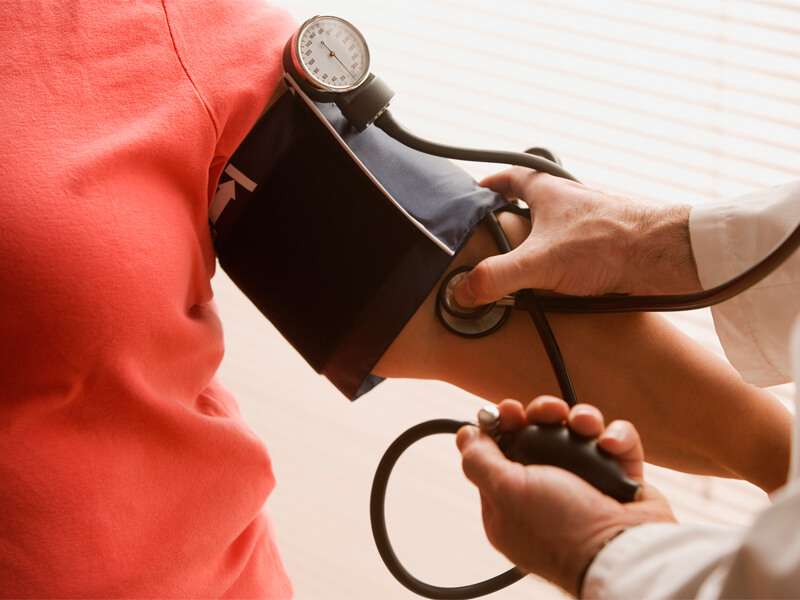
This condition refers to elevated levels of lipids in the blood, particularly cholesterol and triglycerides. Managing lipid levels is essential for overall cardiovascular health.
- Symptoms: Generally asymptomatic but may contribute to more severe conditions like heart disease if not addressed timely.
- Causes: Genetics play a role; however, poor diet, obesity, lack of physical activity, and certain medical conditions can increase risk factors significantly.
- Diagnosis: Routine blood tests called lipid panels help in evaluating lipid levels accurately during check-ups.
- Treatment: Lifestyle changes such as adopting a low-fat diet rich in fruits and vegetables alongside regular exercise are beneficial. Medications might also be recommended based on individual cases.
- What to expect: Consistent monitoring and adjustment of lifestyle measures will help regulate lipid profiles effectively over time.
A committed approach toward managing hyperlipidemia lays the foundation for improved cardiovascular health and overall well-being.
DIABETES MANAGEMENT

Diabetes is a metabolic disorder that affects how your body uses glucose (sugar). Poor management can lead to serious complications; hence understanding it is crucial for maintaining good health.
- Symptoms: Increased thirst, frequent urination, fatigue, and blurred vision are common indicators.
- Causes: Type 1 diabetes is often hereditary; Type 2 diabetes is linked to factors like obesity and sedentary lifestyle.
- Diagnosis: Blood tests assessing glucose levels provide an accurate diagnosis. Regular monitoring of blood sugar levels is essential.
- Treatment: Lifestyle adjustments involving diet modifications and exercise are fundamental. Medications may be prescribed for adequate control of blood sugar levels.
- What to expect: Patients who adhere to treatment plans can manage their condition effectively and reduce risks associated with diabetes-related complications.
A proactive approach towards managing diabetes can empower patients to lead a fulfilling life without letting the condition control them.
HYPERTENSION
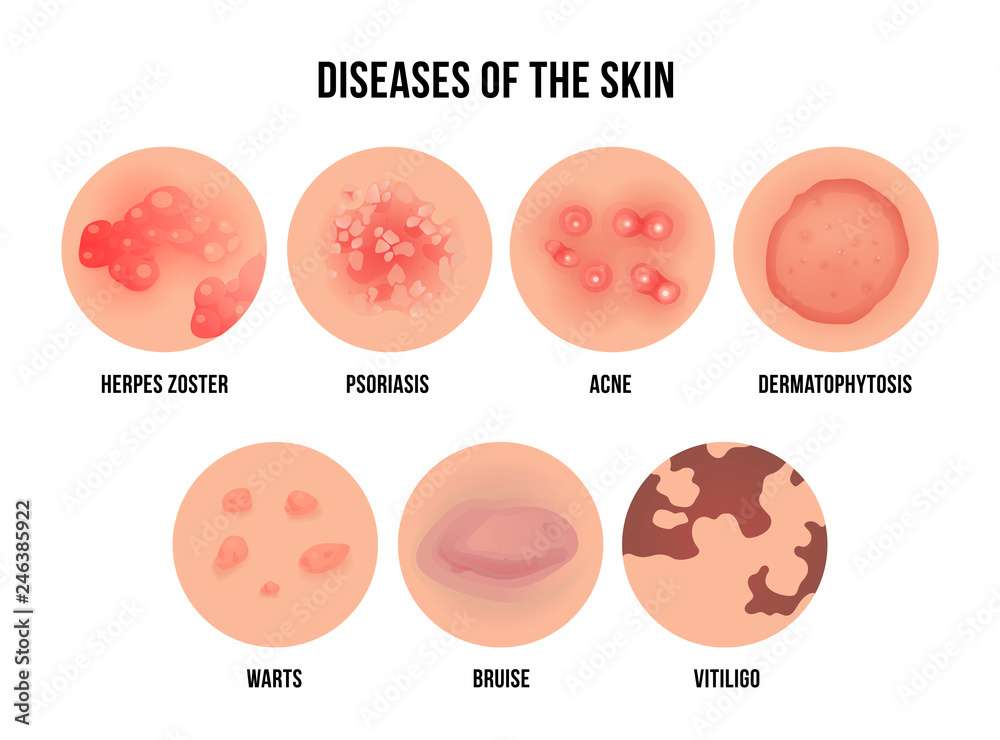
Hypertension, or high blood pressure, is a common condition where the force of the blood against the artery walls is too high. It often develops over many years and can lead to serious health problems if left untreated.
- Symptoms: Many individuals may not experience noticeable symptoms, but severe hypertension can cause headaches, shortness of breath, or nosebleeds.
- Causes: Factors contributing to hypertension include obesity, lack of physical activity, excessive salt intake, and chronic stress.
- Diagnosis: Blood pressure readings taken at regular intervals help in diagnosing this condition. Continuous monitoring may also be necessary.
- Treatment: Management includes lifestyle changes such as a heart-healthy diet, regular exercise, limiting alcohol consumption, and sometimes medication.
- What to expect: With proper management, most patients can maintain healthy blood pressure levels and reduce their risk of complications.
If diagnosed early and managed effectively through lifestyle modifications or medication as needed, you can lead a healthy life with hypertension.