
Dr Disha Gupta
About Me
Dr Disha Gupta
MD
Anesthesiologist
10 Years Experience
Biography
My Clinic
OPD Hours
| Monday | Morning | 10:00 AM | - | 02:00 PM |
| Evening | 06:00 PM | - | 09:00 PM | |
| Tuesday | Morning | 10:00 AM | - | 02:00 PM |
| Evening | 06:00 PM | - | 09:00 PM | |
| Wednesday | Morning | 10:00 AM | - | 02:00 PM |
| Evening | 06:00 PM | - | 09:00 PM | |
| Thursday | Morning | 10:00 AM | - | 02:00 PM |
| Evening | 06:00 PM | - | 09:00 PM | |
| Friday | Morning | 10:00 AM | - | 02:00 PM |
| Evening | 06:00 PM | - | 09:00 PM | |
| Saturday | Morning | 10:00 AM | - | 02:00 PM |
| Evening | 06:00 PM | - | 09:00 PM | |
| Sunday | Morning | 10:00 AM | - | 02:00 PM |
| Evening | 06:00 PM | - | 09:00 PM |
Treatments
Specialised care and treatments offered
OBSTETRIC ANESTHESIA
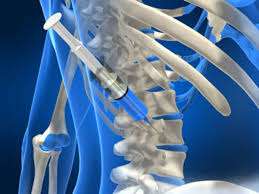
Obstetric anesthesia specializes in managing pain associated with childbirth experiences. Safe methods allow mothers-to-be to undergo labor processes while maintaining comfort throughout delivery stages—ensuring both maternal health and fetal welfare remain paramount objectives!
- Pain Relief Methods : Epidural blocks provide outstanding options – allowing women enhanced control over contractions when delivering naturally without excessive discomfort interfering recovery experiences later!
- Risk Assessments : Every expectant mother must undergo evaluations identifying personal preferences alongside evaluating existing medical histories…a crucial step before embarking on labor-related journeys!
- Monitoring Procedures : Continuous checks conducted throughout labor keep both mother & baby safe while adjusting medication levels supporting optimal situations arise across different deliveries .< br />< br />
ANESTHESIA AWARENESS

Anesthesia awareness occurs when a patient becomes conscious during a procedure but cannot move or communicate. Though rare, it can lead to psychological effects requiring attention post-surgery.
- Causes : Several factors contribute to this phenomenon including inadequate dosage or specific health conditions affecting drug metabolism.
- Diagnostic Measures : Preoperative evaluations focus on risk factors such as weight and previous reactions ensuring tailored anesthesiology approaches mitigate these occurrences.
- Treatment Strategies : Education regarding potential outcomes assists in management; psychological support post-event may also be beneficial if awareness occurs.
- What to Expect : Understanding this reality can assist future patients in navigating options confidently while addressing concerns proactively before undergoing any surgical procedures.
While rare it’s essential that every possible preventive measure taken ensures effective sleep under anesthesia safely facilitating smooth operations upon which many rely daily!
PAIN MANAGEMENT

Pain management encompasses various strategies aimed at alleviating chronic pain through non-invasive techniques. This specialty plays a vital role in improving quality of life for individuals suffering from long-standing pain conditions.
- Causative Factors: Conditions such as arthritis, fibromyalgia, or post-operative pain can necessitate specialized intervention to reduce suffering effectively.
- Evaluation Process: A detailed assessment helps identify sources and triggers of pain aiding in tailored treatment plans that may involve collaboration with other specialists as needed.
- Treatment Approaches: Options include nerve blocks, medication therapy, physical therapy, and counseling focused on pain coping strategies—often integrating multiple modalities for maximum effectiveness.
The objective is not only to control pain but also enhance mobility and functionality through comprehensive support systems designed around patient needs.
SEDATION DENTISTRY

Sedation dentistry utilizes medications to help patients relax during dental procedures. It is particularly beneficial for those who experience anxiety associated with treatment or have difficulty remaining still.
- Benefits: Reduces fear and discomfort, making procedures like tooth extractions or implants more tolerable for anxious patients.
- Treatment Evaluation: Comprehensive assessment helps determine the appropriate level of sedation required based on individual needs and health conditions.
- Anesthetic Agents: Options range from mild sedatives taken orally to deeper forms administered intravenously depending on procedure complexity.
- Patient Monitoring: Vital signs are continuously observed during treatment to ensure safety throughout the sedation process.
This method promotes a stress-free environment that enables effective dental care without undue discomfort for patients who require additional support during their treatments.
REGIONAL ANESTHESIA

Regional anesthesia involves blocking nerve pathways to specific areas of the body, providing pain relief while allowing patients to remain conscious. It is commonly used in procedures involving limbs or lower abdominal surgeries.
- Indications: Effective for surgeries like knee replacements or cesarean sections where complete unconsciousness isn't necessary.
- Assessment: Before regional anesthesia, an evaluation of medical history and current health status is crucial to minimize risks.
- Administration Methods: Techniques include epidural and spinal blocks to target nerve clusters in specific regions.
- Monitoring: Patient awareness allows ongoing communication with medical staff during surgery to adjust anesthetic levels as needed.
- Recovery Experience: Sensation usually returns gradually after surgery, with minimal discomfort expected during recovery.
This approach enhances both safety and comfort during various surgical procedures while minimizing systemic drug effects.
GENERAL ANESTHESIA

General anesthesia is a medically induced state of unconsciousness that eliminates the sensation of pain during surgical procedures. This approach is critical for operations that would otherwise be too painful or distressing for the patient.
- Symptoms: Patients typically do not show any symptoms as they are rendered unconscious, but pre-operative assessments help identify any potential risks.
- Diagnosis: A thorough examination including medical history and physical evaluations ensures the patient is a fit candidate for general anesthesia.
- Treatment Options: The anesthetic agent can be administered via inhalation or intravenously, depending on the procedure's requirements.
- Management: Continuous monitoring of vital signs throughout the surgery helps manage anesthesia levels effectively.
- Expectations: Post-surgery, patients may experience grogginess and disorientation as they recover from anesthesia.
This type of anesthesia is essential for ensuring comfort and safety during complex surgical interventions.