
Dr Divij Khetan
About Me
Dr Divij Khetan
MBBS
General Physician
10 Years Experience
Biography
My Clinic
OPD Hours
| Monday | Morning | 10:00 AM | - | 02:00 PM |
| Evening | 06:00 PM | - | 09:00 PM | |
| Tuesday | Morning | 10:00 AM | - | 02:00 PM |
| Evening | 06:00 PM | - | 09:00 PM | |
| Wednesday | Morning | 10:00 AM | - | 02:00 PM |
| Evening | 06:00 PM | - | 09:00 PM | |
| Thursday | Morning | 10:00 AM | - | 02:00 PM |
| Evening | 06:00 PM | - | 09:00 PM | |
| Friday | Morning | 10:00 AM | - | 02:00 PM |
| Evening | 06:00 PM | - | 09:00 PM | |
| Saturday | Morning | 10:00 AM | - | 02:00 PM |
| Evening | 06:00 PM | - | 09:00 PM | |
| Sunday | Morning | 10:00 AM | - | 02:00 PM |
| Evening | 06:00 PM | - | 09:00 PM |
Treatments
Specialised care and treatments offered
GASTROESOPHAGEAL REFLUX DISEASE (GERD)

This chronic digestive disorder occurs when stomach acid flows back into the tube connecting your mouth and stomach (esophagus). GERD can significantly impact quality of life if not properly managed.
- The main symptom is persistent heartburn which may worsen after meals or when lying down.
- Common Causes: Weak lower esophageal sphincter function alongside obesity , pregnancy habits impact likelihood .
- Diagnosis: Evaluation may include endoscopic examinations alongside lifestyle assessments focused on dietary triggers .
- Treatment Measures :
CHOLESTEROL MANAGEMENT

Elevated cholesterol levels can lead to cardiovascular diseases. Understanding how cholesterol works in the body is vital for managing heart health effectively.
- Dyslipidemia Symptoms: Often asymptomatic but can lead to heart attacks or strokes without warning signs.
- Main Causes: Poor diet high in saturated fats and cholesterol; lack of physical activity contributes significantly as well.
- {@
RESPIRATORY INFECTIONS
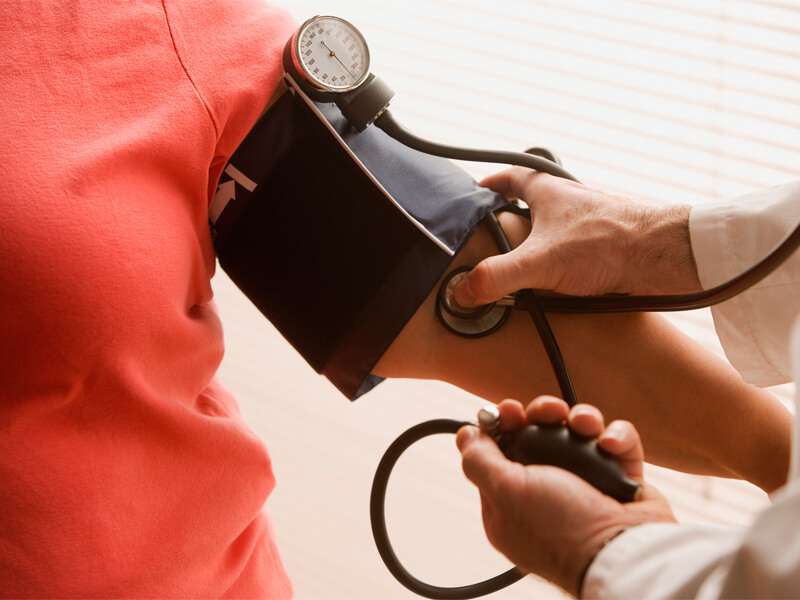
Respiratory infections encompass a range of conditions affecting the lungs and airways. They can be caused by viruses or bacteria and often require careful evaluation for appropriate treatment.
- Symptoms: Coughing, sore throat, fever, nasal congestion can indicate an infection like pneumonia or bronchitis.
- Causes: Exposure to pathogens through respiratory droplets; chronic conditions like COPD may increase susceptibility.
- Diagnosis: Physical examination plus imaging studies or sputum cultures may be required for confirmation.
- Treatment Options: Antibiotics for bacterial infections; symptomatic relief via pain relievers and rest for viral infections are commonly prescribed.
Caring for respiratory infections swiftly helps prevent complications like lung damage or more severe illness.
DIABETES MANAGEMENT

Diabetes is a chronic condition that affects how your body processes blood sugar (glucose). Managing diabetes effectively involves understanding the disease and its implications on daily life.
- Symptoms: Increased thirst, frequent urination, fatigue, blurred vision.
- Causes: Genetics, sedentary lifestyle, poor diet along with metabolic factors play significant roles in development.
- Diagnosis: Blood tests such as fasting glucose levels or HbA1c tests help to diagnose diabetes accurately.
- Treatment Options: Insulin therapy for Type 1; lifestyle modifications and oral medications for Type 2 diabetes are standard treatments.
- Management: Regular glucose monitoring and dietary planning are key components of diabetes management.
The goal of treatment is to maintain normal blood sugar levels to prevent complications related to this condition.
HYPERTENSION

Hypertension, or high blood pressure, is a common condition that can lead to serious health issues if left untreated. It often develops over many years and typically has no symptoms, making regular monitoring essential.
- Symptoms: Often asymptomatic; severe cases might present with headaches, shortness of breath, or nosebleeds.
- Causes: Factors include obesity, lack of physical activity, excessive salt intake, smoking, and stress.
- Diagnosis: Measured using a sphygmomanometer during routine check-ups; multiple readings may be required to confirm.
- Treatment Options: Lifestyle changes such as diet and exercise; medications including diuretics and ACE inhibitors.
- Management: Ongoing monitoring and adjustments in therapy are crucial for effective management.
A proactive approach can greatly reduce the risks associated with hypertension, enhancing overall health outcomes for patients.