
Dr DP Bansal
About Me
Dr DP Bansal
MD
Pulmonologist
10 Years Experience
Biography
My Clinic
OPD Hours
| Monday | Morning | 10:00 AM | - | 02:00 PM |
| Evening | 06:00 PM | - | 09:00 PM | |
| Tuesday | Morning | 10:00 AM | - | 02:00 PM |
| Evening | 06:00 PM | - | 09:00 PM | |
| Wednesday | Morning | 10:00 AM | - | 02:00 PM |
| Evening | 06:00 PM | - | 09:00 PM | |
| Thursday | Morning | 10:00 AM | - | 02:00 PM |
| Evening | 06:00 PM | - | 09:00 PM | |
| Friday | Morning | 10:00 AM | - | 02:00 PM |
| Evening | 06:00 PM | - | 09:00 PM | |
| Saturday | Morning | 10:00 AM | - | 02:00 PM |
| Evening | 06:00 PM | - | 09:00 PM | |
| Sunday | Morning | 10:00 AM | - | 02:00 PM |
| Evening | 06:00 PM | - | 09:00 PM |
Treatments
Specialised care and treatments offered
INTERSTITIAL LUNG DISEASE DIAGNOSIS
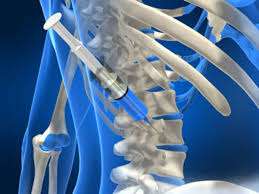
Interstitial Lung Disease (ILD) refers collectively multiple disorders causing progressive scarring of lung tissue effects including pulmonary function decline exhibiting deterioration gradually worsening over time within affected areas occurring through inhalation exposure factors relating environments genetics response ailments triggered recently encountered...
PULMONARY FUNCTION TESTS (PFTS)

Pulmonary function tests are vital tools used to measure how well your lungs work. These tests assess airflow efficiency and help diagnose various respiratory conditions. Healthcare providers utilize PFTs frequently in evaluating patients who exhibit respiratory issues or require pre-surgical assessments.
- The primary tests involved include spirometry (measuring air volume exhaled), lung volumes assessment via body plethysmography among others depending on requirements set forth by provider specifications outlined prior testing started throughout they make diagnosis decisions afterwards assessing results tracked here...{...}
LUNG CANCER SCREENING

Lung cancer screening aims to detect cancer at an early stage when treatment may be more effective. High-risk individuals are often advised to undergo regular screening through imaging techniques like low-dose CT scans. Early detection significantly enhances survival rates from lung cancer diagnoses.
- Risk factors include long-term smoking history or significant exposure to secondhand smoke or occupational hazards like asbestos.
- The screening process generally starts with detailed patient history followed by imaging studies if deemed necessary based on risk assessment criteria.
- If abnormalities are detected on imaging studies further evaluations like biopsies may be required to confirm diagnosis;
SLEEP APNEA EVALUATION

Sleep apnea is a serious sleep disorder where breathing repeatedly stops and starts during sleep. It can lead to fragmented sleep and lower oxygen levels in the blood. Identifying sleep apnea is vital for preventing long-term health complications such as heart disease or high blood pressure.
- Common signs include loud snoring, episodes of stopped breathing during sleep observed by others, daytime fatigue, and difficulty concentrating.
- A comprehensive evaluation typically includes questionnaires about sleep habits followed by overnight monitoring through polysomnography in some cases.
- Treatment options range from lifestyle changes like weight loss to CPAP therapy that keeps airways open during sleep.
- ${management} might also involve dental devices or surgical options for severe cases where other treatments fail to work effectively
If left untreated, sleep apnea can significantly impact overall health; thus timely intervention is crucial for restoring healthy sleeping patterns.
ASTHMA MANAGEMENT

Asthma is a chronic respiratory condition characterized by variable airflow obstruction and inflammation in the airways. Asthma can cause recurrent episodes of wheezing, coughing, chest tightness, and shortness of breath. Triggers can vary widely between individuals.
- Common triggers include allergens like pollen or dust mites and irritants such as smoke or strong odors.
- Diagnosis often involves a thorough medical history review and pulmonary function tests to evaluate airway responsiveness.
- Treatment generally includes quick-relief medications for acute symptoms and long-term control medications to prevent attacks.
- A personalized asthma action plan helps patients manage their condition effectively on a day-to-day basis.
- {@link 'What to expect'}: Regular follow-ups can help maintain good control over asthma symptoms and improve overall quality of life.
Efficacious asthma management empowers patients to lead more active lives while minimizing flare-ups.
CHRONIC OBSTRUCTIVE PULMONARY DISEASE (COPD)

Chronic Obstructive Pulmonary Disease, commonly known as COPD, is a progressive lung condition that includes chronic bronchitis and emphysema. Individuals suffering from COPD experience obstructed airflow, making it challenging to breathe. This condition is primarily caused by long-term exposure to irritants, particularly tobacco smoke.
- Symptoms include persistent cough, excessive mucus production, wheezing, and shortness of breath.
- The diagnosis typically involves lung function tests, chest imaging, and evaluation of symptoms.
- Treatment options may include bronchodilators, inhaled steroids, and oxygen therapy.
- Management strategies often focus on lifestyle changes such as smoking cessation, pulmonary rehabilitation, and regular exercise.
- {@link 'What to expect'}: Patients can manage symptoms effectively with proper treatment but should prepare for a gradual decline in lung function over time.
Understanding the nature of COPD is essential for effective management and improving quality of life.