
Dr Dushyant Pandit
About Me
Dr Dushyant Pandit
Dermatologist
Biography
My Clinic
OPD Hours
| Tuesday | Morning | 10:00 AM | - | 02:00 PM |
| Evening | 06:00 PM | - | 09:00 PM | |
| Wednesday | Morning | 10:00 AM | - | 02:00 PM |
| Evening | 06:00 PM | - | 09:00 PM | |
| Thursday | Morning | 10:00 AM | - | 02:00 PM |
| Evening | 06:00 PM | - | 09:00 PM | |
| Friday | Morning | 10:00 AM | - | 02:00 PM |
| Evening | 06:00 PM | - | 09:00 PM | |
| Saturday | Morning | 10:00 AM | - | 02:00 PM |
| Evening | 06:00 PM | - | 09:00 PM | |
| Sunday | Morning | 10:00 AM | - | 02:00 PM |
| Evening | 06:00 PM | - | 09:00 PM | |
| Thursday | Morning | 10:00 AM | - | 02:00 PM |
| Evening | 06:00 PM | - | 09:00 PM |
Treatments
Specialised care and treatments offered
ACNE SCARRING
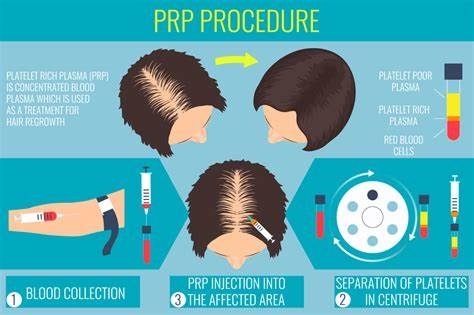
Persistent acne can leave behind scars when lesions heal improperly due to inflammation damaging deeper layers of the dermis layer beneath our surface cover..
.- 'Management Approaches: Available treatments range microdermabrasion chemical peels laser therapy subsicion injecting fillers which seek rejuvenate smooth out irregularities formed.' 'Additional Support' : Collaborating closely with experienced specialists ensures confidence throughout entire journey towards recovery fostering positive self-image restoration process overall!
SKIN INFECTIONS
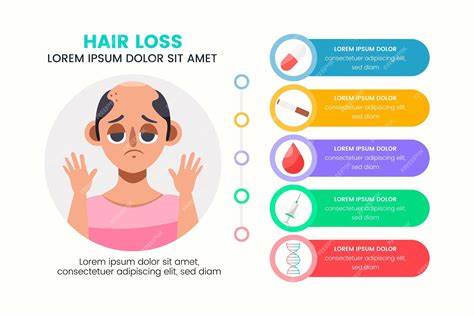
A variety of infectious agents such as bacteria or fungi can lead to different types of skin infections. These conditions demand prompt diagnosis and treatment depending on severity and cause type.
The sooner these conditions receive care after onset ,the more favorable prognosis tends emerge enhancing patient satisfaction accordingly!
SEBORRHEIC KERATOSIS
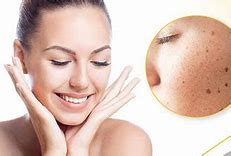
This non-cancerous growth arises from an overproduction of skin cells. Seborrheic keratosis often appears as raised lesions that vary in color from light tan to dark brown or black.
- Symptoms: Typically asymptomatic; however some patients report mild itching or irritation
- Causes: The exact etiology remains unclear but sun exposure may play a role alongside genetic factors.
- Diagnosis: Dermatologists utilize visual inspection for diagnosis; biopsies are rarely necessary unless concerning features are present.
- Management Options: While treatment isn't usually required unless lesions are bothersome; options include cryotherapy or curettage techniques.
- What to Expect: Most seborrheic keratosis remain benign; still it's always best practice to monitor changes in size or appearance regularly.
Regular check-ups can offer peace of mind regarding these growths as they are generally harmless.
ACNE VULGARIS
This prevalent skin condition primarily affects adolescents but can occur at any age. Acne vulgaris results from clogged hair follicles due to oil buildup and dead skin cells.
- Symptoms: Patients generally experience whiteheads, blackheads, pimples, or cysts on various parts of the body including the face, neck, back, shoulders, and chest.
- Causes: Hormonal changes during puberty or menstrual cycles are common causes; however, diet and certain medications can also contribute.
- Diagnosis: Dermatologists diagnose acne based on clinical evaluation of the skin’s appearance without needing complex tests.
- Treatment Options: Treatment may incorporate topical retinoids, antibiotics for inflammation reduction, hormonal therapies for women, or isotretinoin in more severe cases.
- Coping Strategies: Consistent skincare routines along with prescribed medications can lead to significant improvements over time.
If managed properly under professional guidance, most patients achieve substantial improvements in their condition with reduced flare-ups.
ECZEMA
Eczema is a common inflammatory skin condition characterized by itchy, inflamed patches. It's often chronic and can fluctuate in severity over time.
- Symptoms: Symptoms typically include intense itching, dry and sensitive skin, redness, and swelling.
- Causes: Factors such as allergens, irritants, and genetic predisposition may trigger eczema outbreaks.
- Diagnosis: Diagnosis usually involves a thorough medical history review along with an examination of the affected areas.
- Treatment Strategies: Treatment focuses on moisturizing creams, topical steroids, antihistamines for itching relief, and avoiding known triggers.
- What to Expect: Although eczema cannot be cured completely, adhering to a personalized skincare regimen can greatly alleviate symptoms and prevent exacerbations.
Your dermatologist will work closely with you to identify triggers and develop an effective management plan tailored to your needs.
PSORIASIS
Psoriasis is a chronic autoimmune condition that manifests on the skin, leading to red, flaky patches often covered with thick, silvery scales. It can be uncomfortable and may appear anywhere on the body.
- Symptoms: Common symptoms include dry, cracked skin that may bleed, itching or burning sensations, and red patches of skin topped with silver scales.
- Causes: The exact cause is not fully understood but is believed to be related to immune system dysfunction and genetics.
- Diagnosis: A dermatologist typically diagnoses psoriasis through a physical examination of the skin and sometimes a biopsy for confirmation.
- Treatment Options: Management may include topical treatments like corticosteroids, phototherapy, and systemic medications for severe cases.
- What to Expect: While there is no cure for psoriasis, effective treatments can help control symptoms and improve the patient’s quality of life.
A comprehensive approach to treatment and management can significantly reduce flare-ups and enhance overall well-being.