
Dr Ekta A Thakkar
About Me
Dr Ekta A Thakkar
Urologists
Biography
My Clinic
OPD Hours
| Tuesday | Morning | 10:00 AM | - | 02:00 PM |
| Evening | 06:00 PM | - | 09:00 PM | |
| Wednesday | Morning | 10:00 AM | - | 02:00 PM |
| Evening | 06:00 PM | - | 09:00 PM | |
| Thursday | Morning | 10:00 AM | - | 02:00 PM |
| Evening | 06:00 PM | - | 09:00 PM | |
| Friday | Morning | 10:00 AM | - | 02:00 PM |
| Evening | 06:00 PM | - | 09:00 PM | |
| Saturday | Morning | 10:00 AM | - | 02:00 PM |
| Evening | 06:00 PM | - | 09:00 PM | |
| Sunday | Morning | 10:00 AM | - | 02:00 PM |
| Evening | 06:00 PM | - | 09:00 PM | |
| Thursday | Morning | 10:00 AM | - | 02:00 PM |
| Evening | 06:00 PM | - | 09:00 PM |
Treatments
Specialised care and treatments offered
VASECTOMY
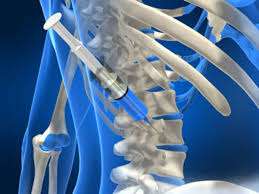
A vasectomy is a surgical procedure performed as a form of permanent birth control for men. This simple yet effective procedure prevents sperm from mixing with semen during ejaculation without affecting testosterone levels or sexual performance negatively!
- Indications : The decision often follows couples' evaluations weighing childbearing desires against current family needs - vasectomies prove reliable ensuring no unplanned pregnancies arise post-operatively !
- Procedure Overview : The operation typically takes place under local anesthesia within an outpatient setting ensuring rapid discharge afterward - techniques employed minimize discomfort allowing individuals quick recovery times post-op in most cases observed lately !
- Recovery Expectations : Pain management generally consists only minimal medication taken initially following surgery; returning home soon after operation permits rest leading back towards daily routines efficiently without major interruptions occurring afterwards .
INTERSTITIAL CYSTITIS

This chronic bladder condition leads to recurring pelvic pain associated with bladder pressure. Interstitial cystitis affects women more often than men but requires recognition regardless of gender for compassionate care options available today!
- Symptoms: Frequent urination urgency coupled with discomfort encompasses common presentations seen amongst patients who might feel embarrassed discussing their issues openly .
- Causes: While its origin remains unclear , factors such as autoimmune responses/infections could result - further investigations would yield personalized insights !
- Diagnosis: Evaluating symptom histories alongside cystoscopy aided assessments offer clarity into diagnosis confirmation when suspected by medical professionals .
- Treatment Approaches: Lifestyle modifications combined with targeted therapies improve overall bladder function while providing symptomatic relief - many benefit from medications aimed specifically towards managing inflammation/pressure buildup .
- Anticipated Outcomes : Developing coping mechanisms assists individuals’ adaptation journey ; engaging support networks enhances resilience promoting better wellness transitions moving forward!
Your road toward healing starts here—reach out today if interstitial cystitis resonates clearly throughout your experiences!
ERECTILE DYSFUNCTION

Erectile dysfunction (ED) is a condition where achieving or maintaining an erection becomes challenging. It’s important for patients to recognize that this common issue affects many men at different ages and can be treated effectively with appropriate interventions.
- Symptoms: Persistent difficulties in sustaining an erection during sexual activity characterize ED; some may also experience reduced sexual desire alongside these symptoms.
- Causative Factors: Underlying health conditions such as diabetes or cardiovascular problems contribute significantly; psychological issues like anxiety or stress can also play a role.
- Diagnosis Process:A comprehensive medical history overview along with physical examinations help professionals pinpoint potential causes before recommending tests like blood work if needed.
Seeking timely assistance regarding erectile dysfunction encourages open discussions about intimate health while uncovering suitable solutions too .
KIDNEY STONES

Kidney stones are hard mineral deposits that form in the kidneys and may cause significant pain if they obstruct the urinary tract. These stones vary in size and composition but can usually be managed effectively.
- Symptoms: Symptoms often include severe side or back pain, blood in urine, intense pain during urination, and nausea or vomiting.
- Causes: Dehydration, certain dietary habits, and metabolic disorders can contribute to stone formation.
- Diagnosis: Imaging techniques such as CT scans or ultrasounds assist in identifying stone presence and size. Urinalysis may also indicate crystalline structures indicative of stones.
- Treatment Options: Smaller stones may pass naturally with increased fluid intake; larger stones might require procedures like extracorporeal shock wave lithotripsy (ESWL) for non-invasive removal.
- What to Expect: Post-treatment recovery varies based on the method used but typically includes manageable discomfort followed by gradual resumption of normal activities.
If kidney stones are a concern for you, understanding your treatment options can lead to swift relief and prevent future occurrences.
BENIGN PROSTATIC HYPERPLASIA (BPH)

Benign Prostatic Hyperplasia (BPH) refers to the non-cancerous enlargement of the prostate gland that occurs commonly as men age. This condition can lead to bothersome urinary symptoms that affect overall well-being.
- Symptoms: Common indicators include difficulty starting urination, weak urine stream, or frequent urge to urinate at night.
- Causes: Although the precise cause is not fully understood, hormonal changes and growth factors play significant roles as men age.
- Diagnosis: Diagnosis typically involves a symptom questionnaire (IPSS), digital rectal exam (DRE), and possibly a prostate-specific antigen (PSA) test.
- Treatment Options: Mild cases may benefit from lifestyle changes; moderate to severe cases might require medications or minimally invasive procedures like laser therapy or TURP.
- What to Expect: With proper management, relief from urinary symptoms is achievable, thereby enhancing quality of life significantly.
If you're experiencing discomfort due to BPH, consulting with a specialist can provide valuable insights into effective treatment methods.
URINARY INCONTINENCE

Urinary incontinence is a common condition characterized by the involuntary leakage of urine. It can significantly impact daily life and may stem from various underlying causes. Understanding this condition is crucial for those affected, as effective management options exist.
- Symptoms: Patients may experience sudden urges to urinate, leaks during physical activities, or frequent nighttime urination.
- Causes: Factors include weak pelvic floor muscles, neurological disorders, or urinary tract infections.
- Diagnosis: A thorough history review, bladder diaries, and urodynamic studies help determine the cause.
- Treatment Options: Management includes pelvic floor exercises, medications, or minimally invasive surgical procedures for severe cases.
- What to Expect: Patients can anticipate tailored treatment plans aimed at improving quality of life and achieving better control over their symptoms.
If you are dealing with urinary incontinence, know that effective treatments are available to help regain control and confidence.