Dr. Enoch Sundaram
About Me
Dr. Enoch Sundaram
MBBS, DIP. DIAB, F. DIAB, DIP. LIFESTYLE MEDICINE
Consultant Physician & Diabetologist
26 Years Experience
Biography
Dr. Sundaram’s clinical and research focus is based on the understanding that the majority of chronic lifestyle diseases arise from the complex interaction of three core determinants:
1. Unhealthy mental and emotional health patterns
2. Unhealthy dietary practices
3. Unhealthy lifestyle behaviors
Through decades of clinical observation, patient outcomes, and applied research, he has systematically examined how these determinants interact at biological, metabolic, inflammatory, hormonal, and psychosocial levels, leading to chronic disease manifestation.
CLINICAL & RESEARCH CONTRIBUTIONS
Dr. Sundaram has developed structured, safe, and evidence-informed non-pharmacological intervention protocols, using the same three determinants that cause disease as tools to halt disease progression and support reversal of disease processes.
His intervention models are based on:
* Naturally occurring phytochemicals found in edible plants and functional foods
* Evidence-aligned dietary modifications
* Targeted lifestyle practices (sleep, physical activity, circadian rhythm, stress regulation)
* Mental and emotional health practices that support neuro-immune and hormonal balance
These protocols are designed to:
* Reduce systemic inflammation
* Restore metabolic and physiological balance
* Support the body’s intrinsic healing mechanisms
* Move beyond symptom control toward sustainable disease reversal.Â
Using these approaches, Dr. Sundaram has assisted thousands of patients across the globe in achieving significant improvement and, in many cases, clinical reversal of conditions such as diabetes, hypertension, cardiovascular disease, autoimmune disorders, arthritis, and other chronic lifestyle-related illnesses, particularly where conventional modalities alone had limited success.
INTERNATIONAL SPEAKING & INSTITUTIONAL CONTRIBUTIONS
Dr. Enoch S. Sundaram is an international speaker on Lifestyle Medicine, having been invited to share his clinical insights, protocols, and outcomes at medical conferences, universities, hospitals, and professional forums across:
India, the United States, Europe, Singapore, Malaysia, Thailand, and Africa
His work has influenced numerous medical professionals and healthcare institutions to integrate lifestyle medicine as a core component of treatment and prevention strategies.
Notably, he has assisted reputed medical institutions, including Christian Medical College (CMC), Vellore, in establishing and strengthening Lifestyle Medicine departments and programs.
COMMUNITY & SOCIAL INVOLVEMENT
Dr. Sundaram has been deeply involved in community health education and preventive healthcare initiatives, conducting large-scale programs aimed at increasing awareness of lifestyle diseases such as diabetes, hypertension, heart disease, and metabolic disorders.
His seminars, workshops, and training programs have reached diverse audiences, including:
* Indian Army
* Tamil Nadu Police
* Schools and Colleges
* Corporate organizations
* NGOs such as Red Cross, Rotary Club, and Lions Club
Through these initiatives, thousands have adopted lifestyle-based preventive strategies, …
My Clinic
OPD Hours
| Monday | Morning | 10:00 AM | - | 02:00 PM |
| Evening | 06:00 PM | - | 09:00 PM | |
| Tuesday | Morning | 10:00 AM | - | 02:00 PM |
| Evening | 06:00 PM | - | 09:00 PM | |
| Wednesday | Morning | 10:00 AM | - | 02:00 PM |
| Evening | 06:00 PM | - | 09:00 PM | |
| Thursday | Morning | 10:00 AM | - | 02:00 PM |
| Evening | 06:00 PM | - | 09:00 PM | |
| Friday | Morning | 10:00 AM | - | 02:00 PM |
| Evening | 06:00 PM | - | 09:00 PM | |
| Saturday | Morning | 10:00 AM | - | 02:00 PM |
| Evening | 06:00 PM | - | 09:00 PM | |
| Sunday | Morning | 10:00 AM | - | 02:00 PM |
| Evening | 06:00 PM | - | 09:00 PM |
Treatments
Specialised care and treatments offered
GESTATIONAL DIABETES

This type occurs during pregnancy when the body cannot produce enough insulin or effectively use it due to hormonal changes. Understanding Gestational Diabetes is crucial for both maternal and fetal health outcomes during childbirth processes involving risk factors linked back towards being overweight previously before conception times!
- Risk factors include family history of diabetes , previous gestational diabetes occurrence , excessive weight gain during pregnancies etc .
- Diagnosis involves screening techniques using glucose tolerance tests , especially between weeks 24-28
- Management relies primarily on dietary modifications; however medication therapy might become needed if lifestyle changes aren't sufficient adequately controlling high sugars consistently!
- Regular check-ups throughout pregnancy ensure timely identification & action taken against potential complications arising before delivery point arrives !
Preventive measures play an essential role in enhancing overall experiences throughout every stage involved here so mothers always stay informed about their health statuses well within normal ranges too !
PROTEINURIA (DIABETIC NEPHROPATHY)
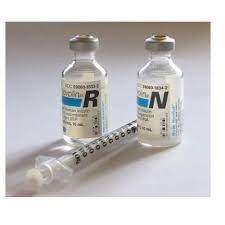
This condition signifies kidney damage caused by prolonged high blood sugar levels seen mainly in people with diabetes. It reflects a progressive loss of kidney function which can lead to end-stage renal disease if left unmanaged over time.
- Main
DIABETIC FOOT ULCERS
Foot ulcers represent a severe complication for individuals with diabetes due to nerve damage (neuropathy) or poor circulation. They develop when injuries don’t heal properly because of impaired healing mechanisms associated with chronic high blood sugar levels.
- Common causes include minor cuts or blisters that go unnoticed until they progress into ulcers due to neuropathy's effects on sensation.
- A thorough physical examination will help diagnose ulcers; imaging studies may be necessary in some cases to assess bone involvement.
- Treatment typically involves cleaning the wound regularly and applying appropriate dressings while addressing any underlying issues like blood flow problems.
- Podiatric referrals might be needed for more complex cases where surgical intervention could be required if infections are present or there's significant tissue damage.
An effective prevention strategy includes routine foot care checks as part of diabetes management programs to minimize risks associated with diabetic foot ulcers.
HYPOGLYCEMIA
Hypoglycemia refers to abnormally low blood sugar levels, which can be dangerous if not promptly addressed. It often occurs in diabetics who take medications that increase insulin production or those who miss meals after taking these medications.
- The signs of hypoglycemia may include sweating, shaking, increased heart rate, irritability, confusion, and in severe cases loss of consciousness.
- The diagnosis generally entails checking blood glucose levels during symptomatic episodes.
- Treatment usually starts with consuming fast-acting carbohydrates such as glucose tablets or sugary drinks to quickly raise blood sugar levels.
- Long-term management may involve adjusting medications or eating regular meals with an adequate balance of carbohydrates.
A proactive approach is essential; awareness of symptoms allows for timely intervention and better management of diabetes overall.
HYPERGLYCEMIC HYPEROSMOLAR STATE (HHS)
This acute condition primarily affects individuals with Type 2 diabetes. HHS occurs when blood glucose levels rise significantly without the presence of ketones, leading to severe dehydration and other metabolic disturbances.
- The most common symptoms include extreme thirst, dry mouth, confusion, and frequent urination.
- Diagnosis involves checking blood sugar levels alongside assessments of hydration status and blood electrolyte concentrations.
- Treatment focuses on rehydration via intravenous fluids coupled with insulin administration to reduce hyperglycemia.
- Ongoing monitoring is essential to prevent complications like kidney failure or seizures that can arise from this condition.
Understanding HHS is vital for managing diabetes effectively, especially during illness or stress when glucose control can deteriorate rapidly.
DIABETIC KETOACIDOSIS (DKA)
Diabetic Ketoacidosis is a serious and potentially life-threatening condition that can occur in individuals with diabetes, particularly Type 1. It arises when the body starts breaking down fats at an excessive rate, leading to the production of high levels of ketones in the blood.
- Symptoms often include excessive thirst, frequent urination, nausea, abdominal pain, weakness, and confusion.
- Diagnosis is made through physical examination and laboratory tests showing high blood sugar levels and elevated ketone bodies in urine or blood.
- Treatment typically involves intravenous fluids to rehydrate the patient and insulin therapy to lower blood sugar levels.
- Additional management includes monitoring electrolytes and addressing any underlying conditions that may have triggered DKA.
If untreated, DKA can result in severe complications. Early recognition and prompt treatment are crucial for a positive outcome.