
Dr F F Pardiwala
About Me
Dr F F Pardiwala
General Physician
Biography
My Clinic
OPD Hours
| Tuesday | Morning | 10:00 AM | - | 02:00 PM |
| Evening | 06:00 PM | - | 09:00 PM | |
| Wednesday | Morning | 10:00 AM | - | 02:00 PM |
| Evening | 06:00 PM | - | 09:00 PM | |
| Thursday | Morning | 10:00 AM | - | 02:00 PM |
| Evening | 06:00 PM | - | 09:00 PM | |
| Friday | Morning | 10:00 AM | - | 02:00 PM |
| Evening | 06:00 PM | - | 09:00 PM | |
| Saturday | Morning | 10:00 AM | - | 02:00 PM |
| Evening | 06:00 PM | - | 09:00 PM | |
| Sunday | Morning | 10:00 AM | - | 02:00 PM |
| Evening | 06:00 PM | - | 09:00 PM | |
| Thursday | Morning | 10:00 AM | - | 02:00 PM |
| Evening | 06:00 PM | - | 09:00 PM |
Treatments
Specialised care and treatments offered
INFECTIOUS DISEASE CONSULTATION
This area focuses on diagnosing and treating diseases caused by pathogens including bacteria, viruses fungi parasites etc., some which require immediate attention while others demand careful monitoring over time given their potential severity
.- Common Conditions : Examples encompass influenza pneumonia tuberculosis hepatitis these illnesses pose varying degrees threat public health warranting prompt identification containment measures implemented effectively .
- Symptoms Assessment : Symptoms vary widely based upon infectious agent involved yet common indicators consist fever chills malaise/or localised pain indicating underlying infection necessitating further evaluation diagnostics tests conducted suggested physicians ascertain causative organism .
- Diagnosis Approaches : Diagnostic methods range laboratory-confirmatory tests imaging studies aimed confirming diagnoses whilst ruling out alternate explanations ensuring appropriate targeted therapies employed thereafter .
- Treatment Modalities : Therapeutic regimens depend largely upon identified organisms susceptibility profiles tailored according clinical guidelines encompassing antivirals antibiotics antifungals whenever indicated ; supportive care fundamentals included throughout process upholding robust recovery trajectories among afflicted patients . Expertise intricate nature infectious diseases enables practitioners navigate complexities optimally ensuring timely interventions safeguarding both individual/community wellbeing minimising ramifications associated outbreaks emerging threats promptly contained !< / p
HYPERLIPIDEMIA TREATMENT

This condition refers to elevated levels of lipids (fats) in the bloodstream which can lead to cardiovascular disease if not properly managed. Awareness about hyperlipidemia is fundamental since it often goes unnoticed until significant damage occurs.
- Indications: High cholesterol usually presents no symptoms; therefore regular screenings are crucial for early detection—particularly among at-risk populations.
- Risk Factors: Factors include family history of heart disease, poor diet high in saturated fats/trans fats coupled with sedentary lifestyle choices contributing to weight gain/obesity further aggravating the situation .
- Diagnostic Tests: Lipid panels measure total cholesterol levels including low-density lipoprotein (LDL) & high-density lipoprotein (HDL)—assisting physicians determining appropriate interventions where necessary .
- Therapeutic Approaches: Lifestyle modifications focusing on dietary improvements paired with increased physical activity typically form first-line treatments; statins might be prescribed alongside these changes depending severity .
Timely intervention plays an instrumental role mitigating risks associated hyperlipidemia thus enhancing overall heart health promoting longevity amongst affected individuals! / p
ASTHMA CONTROL

Asthma is a chronic respiratory condition characterized by inflammation of the airways leading to wheezing, breathlessness, chest tightness, and coughing. Managing asthma effectively requires understanding triggers and maintaining control over symptoms
.- Symptoms: Common signs include recurrent wheezing episodes especially at night or early morning; these may worsen due to triggers like allergens or exercise.
- Triggers: Asthma can be exacerbated by allergens such as pollen or dust mites as well as respiratory infections or pollution.
- Diagnosis: A detailed medical history combined with lung function tests proves essential in confirming an asthma diagnosis; peak flow meters are often used for ongoing monitoring.
- Management Strategies: Treatment typically consists of inhaled corticosteroids for inflammation control along with beta-agonists for quick relief during flare-ups; avoiding known triggers also plays a vital role in effective management.
Through appropriate management plans tailored specifically for each patient’s needs—patients find it possible to live active fulfilling lives despite their asthma condition.
CHRONIC OBSTRUCTIVE PULMONARY DISEASE (COPD) MANAGEMENT
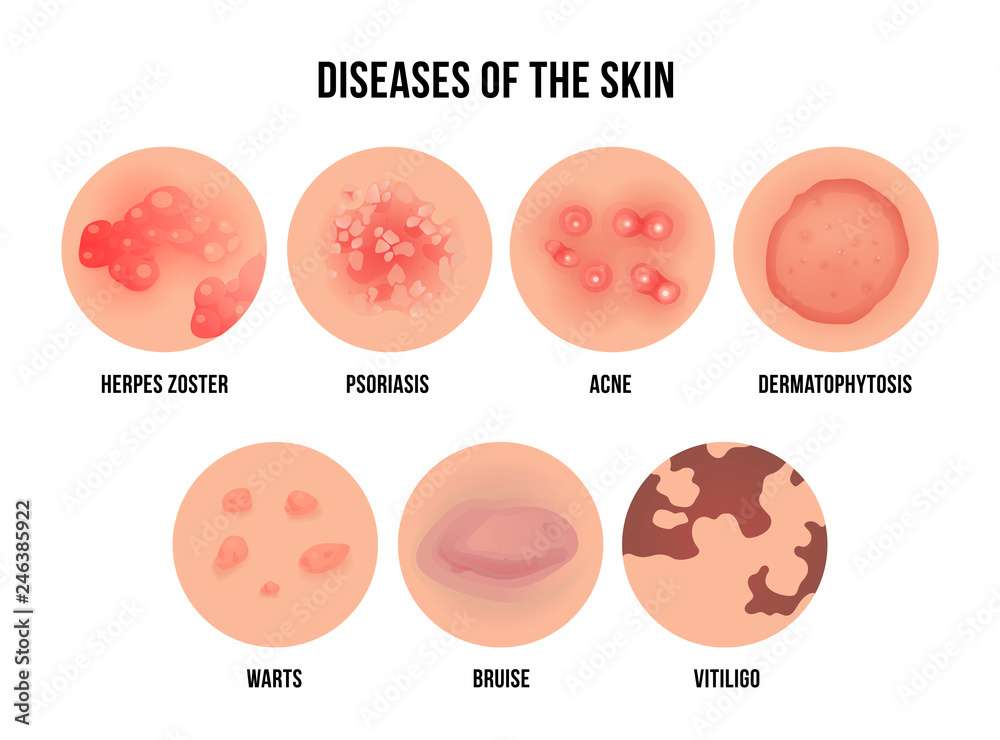
COPD encompasses a group of lung diseases that block airflow and make breathing difficult. This progressive condition often stems from long-term exposure to irritating gases or particulate matter, most commonly from smoking.
- Main Symptoms: Patients may experience chronic cough, sputum production, wheezing, and difficulty breathing during physical activities.
- Causative Factors: Primary contributors include smoking history and exposure to environmental pollutants or occupational hazards.
- Disease Diagnosis: Diagnosis usually involves pulmonary function tests that measure lung capacity alongside imaging studies like chest X-rays.
- Treatment Options: Management includes cessation of smoking, bronchodilators, corticosteroids inhalation therapy, and pulmonary rehabilitation programs.
The goal in managing COPD is to improve quality of life by minimizing symptoms and preventing exacerbations through comprehensive care strategies tailored to patient needs.
DIABETES MELLITUS TREATMENT

Diabetes mellitus is a metabolic disorder characterized by high blood sugar levels over a prolonged period. It requires careful management to prevent complications that can affect various organs in the body.
- Types: The two main types are Type 1 (insulin-dependent) and Type 2 (often lifestyle-related).
- Symptoms: Common symptoms include excessive thirst, frequent urination, fatigue, and blurred vision.
- Diagnosis: Diagnosing diabetes typically involves blood tests measuring glucose levels or HbA1c tests which reflect average blood sugar over months.
- Treatment Approaches: Management includes lifestyle changes like diet modification and exercise along with medications or insulin therapy when needed.
- Complication Prevention: Regular monitoring of blood glucose levels and routine checkups help prevent long-term complications such as neuropathy or retinopathy.
A proactive approach toward diabetes management helps individuals maintain optimal health and quality of life through informed decision-making and regular healthcare support.
HYPERTENSION MANAGEMENT
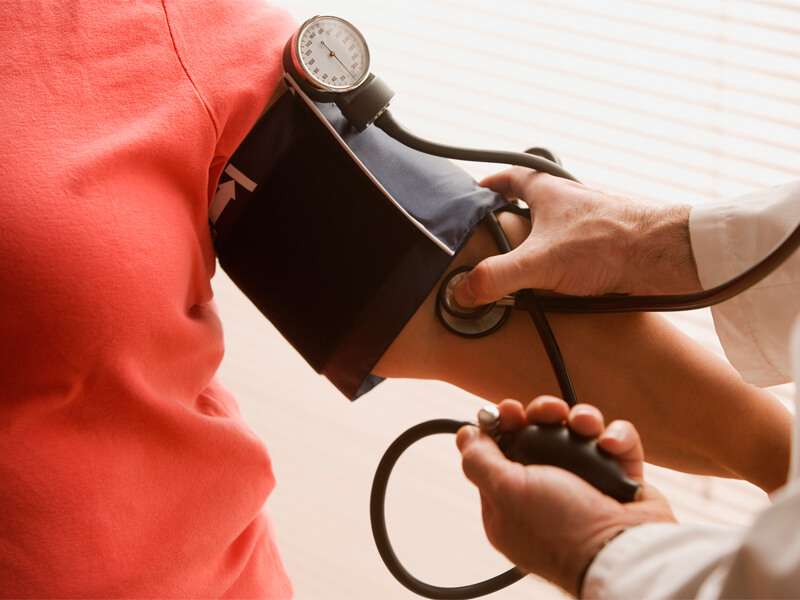
Hypertension, or high blood pressure, is a common health condition that can lead to serious complications if left untreated. It is often referred to as a silent killer because many individuals experience no symptoms. Understanding hypertension is crucial for maintaining good health.
- Symptoms: Many people with high blood pressure don't exhibit noticeable symptoms, but some may experience headaches, shortness of breath, or nosebleeds.
- Causes: Factors contributing to hypertension include genetics, poor diet, lack of physical activity, and stress.
- Diagnosis: Blood pressure is measured with a sphygmomanometer; multiple readings on different days are often required for accurate diagnosis.
- Treatment Options: Management may involve lifestyle modifications such as diet changes and exercise, as well as medications like ACE inhibitors or diuretics.
- Monitoring: Regular follow-ups are essential to track blood pressure levels and adjust treatment as necessary.
Effective control of hypertension can significantly reduce the risk of heart disease and stroke. With proper management strategies in place, patients can lead healthy lives.