
Dr Falak Chowdhary
About Me
Dr Falak Chowdhary
Obstetrician
Biography
My Clinic
OPD Hours
| Tuesday | Morning | 10:00 AM | - | 02:00 PM |
| Evening | 06:00 PM | - | 09:00 PM | |
| Wednesday | Morning | 10:00 AM | - | 02:00 PM |
| Evening | 06:00 PM | - | 09:00 PM | |
| Thursday | Morning | 10:00 AM | - | 02:00 PM |
| Evening | 06:00 PM | - | 09:00 PM | |
| Friday | Morning | 10:00 AM | - | 02:00 PM |
| Evening | 06:00 PM | - | 09:00 PM | |
| Saturday | Morning | 10:00 AM | - | 02:00 PM |
| Evening | 06:00 PM | - | 09:00 PM | |
| Sunday | Morning | 10:00 AM | - | 02:00 PM |
| Evening | 06:00 PM | - | 09:00 PM | |
| Thursday | Morning | 10:00 AM | - | 02:00 PM |
| Evening | 06:00 PM | - | 09:00 PM |
Treatments
Specialised care and treatments offered
PRETERM LABOR
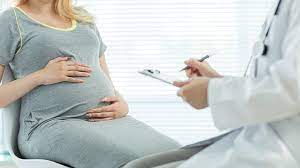
Preterm labor refers to contractions leading up to childbirth that occur before 37 weeks of gestation. Early identification plays an essential role in managing risks associated with premature birth effectively.
- Symptoms typically include frequent contractions accompanied by lower back pain or pelvic pressure before reaching full term.
- Diagnosis may involve examination findings along with monitoring contraction frequency using fetal heart rate monitors.
- Treatment options vary from medications aimed at stopping contractions (tocolytics) alongside recommendations for rest or bed rest depending on individual circumstances.
- If labor progresses despite interventions aimed at delaying it further management focuses primarily on ensuring neonatal care preparedness upon arrival.
Understanding signs associated with preterm labor empowers expectant mothers with knowledge regarding when & how best seek assistance should they arise during their pregnancies effectively?
HYPEREMESIS GRAVIDARUM
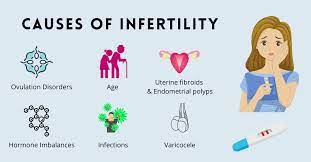
This severe form of morning sickness includes persistent nausea and vomiting that can lead to dehydration and nutritional deficiencies. Hyperemesis gravidarum significantly impacts daily functioning during pregnancy.
- The primary symptom is excessive vomiting resulting in weight loss; women may struggle with maintaining fluid intake due to nausea as well.
- A diagnosis involves confirming symptoms alongside weight loss benchmarks; healthcare providers will also evaluate hydration status through blood tests or physical examinations.
- Treatment focuses on managing symptoms through hydration via IV fluids if oral intake isn’t sufficient; medications might also be prescribed for nausea relief.
This condition should not be underestimated; seeking timely intervention can improve quality of life during pregnancies affected by hyperemesis gravidarum significantly while ensuring proper care throughout this challenging period?
PLACENTA PREVIA
Placenta previa occurs when the placenta partially or completely covers the cervix as the baby develops. This condition can lead to significant complications during labor if not properly managed.
- Symptoms often include painless vaginal bleeding during the second or third trimester. Some women may remain asymptomatic until delivery approaches.
- A pelvic ultrasound is essential for diagnosing placenta previa accurately; this procedure allows assessment of placental placement relative to the cervical opening.
- Treatment strategies vary based on bleeding severity but may involve bed rest or avoiding certain activities; cesarean delivery might be planned in severe cases where the cervix remains obstructed at term.
Close monitoring by a healthcare professional ensures that both mother and baby remain safe throughout the progression of this condition during pregnancy.
PREECLAMPSIA
Preeclampsia is a serious condition characterized by high blood pressure and potential damage to other organ systems during pregnancy. It usually occurs after 20 weeks of gestation and requires vigilant monitoring.
- The hallmark symptoms include high blood pressure, swelling in the hands and face, sudden weight gain, headaches, and changes in vision.
- Diagnosis is based on the presence of elevated blood pressure readings combined with protein in the urine or other signs indicating organ impairment.
- Treatment typically involves close monitoring; in severe cases, early delivery may be necessary to protect both mother and baby’s health.
- A long-term follow-up might be required due to possible lasting effects on maternal health post-delivery.
If you notice symptoms suggestive of preeclampsia during your pregnancy, it’s vital to consult with your healthcare provider for timely intervention and management strategies.
GESTATIONAL DIABETES
Gestational diabetes develops during pregnancy when the body cannot produce enough insulin. It typically resolves after childbirth but requires careful management throughout pregnancy.
- This condition may present with frequent urination, increased thirst, and fatigue; however, many women may have no noticeable symptoms at all.
- A glucose tolerance test performed between the 24th and 28th weeks of pregnancy is used to diagnose this form of diabetes.
- Management includes dietary modifications, regular exercise, blood sugar monitoring, and sometimes insulin injections to maintain healthy glucose levels.
- If left untreated, gestational diabetes can affect both mother and baby, potentially leading to larger birth weights or premature delivery.
Your healthcare provider will guide you on managing blood sugar levels effectively throughout your pregnancy for a healthy outcome.
ECTOPIC PREGNANCY
An ectopic pregnancy occurs when a fertilized egg implants outside the uterus, often in a fallopian tube. This condition can lead to serious complications if not diagnosed and treated promptly.
- Symptoms may include sharp pelvic pain, vaginal bleeding, or shoulder pain. Early identification is crucial.
- An ectopic pregnancy is diagnosed through pelvic exams, ultrasound imaging, and blood tests measuring hormone levels.
- Treatment options range from medication (like methotrexate) to surgical interventions if necessary.
- It is essential to monitor for potential complications such as internal bleeding.
- Following treatment, routine follow-ups are important to ensure complete recovery and address any concerns related to fertility.
If you experience symptoms of an ectopic pregnancy, seek medical attention immediately for a comprehensive evaluation and appropriate care.
FAQs
What happens if I go past my due date?
'Can genetic testing be done during my pregnancy?
'What pain relief options are available during labor?
supportive positions—to epidural anesthesia/pain-relief medication—discussing preferences early helps create personalized birth plan incorporating comfort measures!
Are there any dietary restrictions I should follow?
to limit or avoid ensures optimal nutrition supporting yours & babe's needs as well!
What are signs that indicate I should call my doctor?
or sudden swelling nowhere else—the aim being always prioritize safety!