
Dr Farida Modi
About Me
Dr Farida Modi
Dermatologist
Biography
My Clinic
OPD Hours
| Tuesday | Morning | 10:00 AM | - | 02:00 PM |
| Evening | 06:00 PM | - | 09:00 PM | |
| Wednesday | Morning | 10:00 AM | - | 02:00 PM |
| Evening | 06:00 PM | - | 09:00 PM | |
| Thursday | Morning | 10:00 AM | - | 02:00 PM |
| Evening | 06:00 PM | - | 09:00 PM | |
| Friday | Morning | 10:00 AM | - | 02:00 PM |
| Evening | 06:00 PM | - | 09:00 PM | |
| Saturday | Morning | 10:00 AM | - | 02:00 PM |
| Evening | 06:00 PM | - | 09:00 PM | |
| Sunday | Morning | 10:00 AM | - | 02:00 PM |
| Evening | 06:00 PM | - | 09:00 PM | |
| Thursday | Morning | 10:00 AM | - | 02:00 PM |
| Evening | 06:00 PM | - | 09:00 PM |
Treatments
Specialised care and treatments offered
ROSACEA
This chronic condition primarily affects facial skin resulting in redness accompanied sometimes by visible blood vessels or bumps. Rosacea tends to worsen with triggers commonly experienced daily
.- Symptoms: Hello rosy flushes that last minutes/hours also intense burning/itching may occur as behavior worsens
- e.g . Erythematotelangiectatic rosacea presents persistent redness.
- Papule/pustular form mimics acne presentations (often tricky)
- [" - Often triggered after strenuous activities (ex ">Diet choices previously noted too”) –Difficulty diagnosing arises (Common misunderstanding confusing w/ acne) opting skincare tailored individually-->Pharmaceutical options available aiding regimen’s effects improving overall symptoms--”( Add consistency through focused self-care strides—in control feeling good alongside those external influences! “)
HYPERPIGMENTATION
This condition manifests as darkened patches on the skin due to excess melanin production. Hyperpigmentation can arise from various factors including sun exposure or hormonal changes during pregnancy.
- Symptoms:Patches appear darker than surrounding areas—common sites include the face,hands & shoulders according too light exposure
- Causes: Sunlight exposure,hormonal fluctuations,and certain medications might trigger this increase in pigmentation.”
- Diagnosis: Visual inspection alone usually suffices; doctors might employ dermatological tools for deeper insights.”
- Treatment Options: Solutions like hydroquinone creams,sunscreen usage,and laser treatments exist that aim towards evening out tonality without invasive measures.”
- What To Expect: Naturally varying timelines exist depending upon severity; routine care yields gradual improvement yet follow-up consultations keep progress on track.
Achieving balance through targeted strategies reveals brighter healthier complexion!
SUN DAMAGE
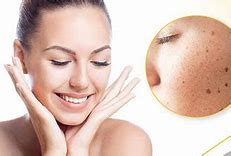
The impact of prolonged sun exposure often results in sun damage manifesting as wrinkles, age spots, or an increase in skin cancers. Protecting your skin from UV rays is critical for maintaining healthy skin over time.
- Symptoms: Signs include fine lines around the eyes or mouth along with brown spots on sun-exposed areas like hands and face.
- Causes:The main culprit is ultraviolet radiation from sunlight which accelerates aging processes in the skin cells
- Diagnosis: A dermatologist assesses changes in the skin’s appearance during a physical examination.
- Treatment Options: Treatments range from topical antioxidants and sunscreens to chemical peels aimed at rejuvenation.
- What to Expect: Results vary; consistent sunscreen use can prevent further damage while treatments improve existing issues.
Prioritizing sun safety enhances both appearance and long-term health.
PSORIASIS
This chronic autoimmune condition leads to the rapid growth of skin cells that form scales and red patches. Psoriasis varies from mild to severe forms and significantly affects quality of life due to its visibility.
- Symptoms: Silver scales on elbows or knees alongside painful patches characterize psoriasis appearances.
- Causes: It is believed to be influenced by genetic factors as well as environmental triggers like infections or stress.
- Diagnosis: Diagnosis typically involves physical exams by a specialist who may perform a biopsy for confirmation if needed.
- Treatment Options: Treatments include topical treatments such as corticosteroids, phototherapy or systemic medications in more severe cases for better control over flares.
A comprehensive management plan is essential for living comfortably with psoriasis and minimizing flare-ups.
ECZEMA
Eczema is a chronic inflammatory skin disorder characterized by itchy and red patches. It often shows up in children but can occur at any age. Understanding the triggers is essential for management.
- Symptoms: Dryness, severe itching, redness, and irritation are typical symptoms associated with eczema.
- Causes: Factors like allergens (dust mites), irritants (soaps), climate changes, and even stress can exacerbate the condition.
- Diagnosis: A thorough examination of the affected areas along with medical history helps in confirming eczema.
- Treatment Options: Use of emollients to hydrate the skin along with topical steroids assists in reducing inflammation and itchiness.
- What to Expect: Consistent skincare routines can lead to longer periods of remission between flare-ups.
A proactive approach is crucial in managing symptoms effectively over time.
ACNE
Acne is a common skin condition that affects many individuals during their teenage years and can persist into adulthood. It occurs when hair follicles become clogged with oil and dead skin cells, leading to pimples, cysts, and potentially scarring.
- Symptoms: Red, inflamed lesions, blackheads, whiteheads, and deep cysts are common signs of acne.
- Causes: Hormonal changes, certain medications, diet, and stress can contribute to acne outbreaks.
- Diagnosis: A dermatologist evaluates the skin's appearance and may inquire about personal and family medical history.
- Treatment Options: Topical retinoids, benzoyl peroxide products, oral antibiotics, or hormonal therapies can effectively manage acne.
- What to Expect: Regular treatment can reduce breakouts; however, results may take several weeks as the skin heals.
By following a tailored treatment plan, individuals can achieve clearer skin and enhanced confidence.