
Dr Farokh E Udwadia
About Me
Dr Farokh E Udwadia
General Physician
Biography
My Clinic
OPD Hours
| Tuesday | Morning | 10:00 AM | - | 02:00 PM |
| Evening | 06:00 PM | - | 09:00 PM | |
| Wednesday | Morning | 10:00 AM | - | 02:00 PM |
| Evening | 06:00 PM | - | 09:00 PM | |
| Thursday | Morning | 10:00 AM | - | 02:00 PM |
| Evening | 06:00 PM | - | 09:00 PM | |
| Friday | Morning | 10:00 AM | - | 02:00 PM |
| Evening | 06:00 PM | - | 09:00 PM | |
| Saturday | Morning | 10:00 AM | - | 02:00 PM |
| Evening | 06:00 PM | - | 09:00 PM | |
| Sunday | Morning | 10:00 AM | - | 02:00 PM |
| Evening | 06:00 PM | - | 09:00 PM | |
| Thursday | Morning | 10:00 AM | - | 02:00 PM |
| Evening | 06:00 PM | - | 09:00 PM |
Treatments
Specialised care and treatments offered
ANEMIA
Anemia refers to a deficiency in red blood cells or hemoglobin within those cells. It can lead to fatigue and various other symptoms affecting an individual's quality of life significantly over time!
- Common causes include nutrient deficiencies (like iron), chronic diseases & genetic disorders impacting RBC production thus increasing prevalence rates among populations globally! < ly diagnostics work primarily stem from testing hemoglobin concentrations via CBCs enabling proper classification based upon severity patterns experienced accordingly!-Treatment routes vary accordingly including dietary enhancements focusing notably on iron-rich foods complemented potentially by supplementation routes prescribed depending upon individual needs thereafter aiming ultimately restore optimal counts back toward healthy ranges once again likely reducing onset fatigue observed previously following therapeutic continuity & collaboration ensuring recovery progresses steadily onward towards greater vitality achieved moving forward together adapting methods personally tailored toward specific situations throughout this journey ahead all around us continuously growing stronger than ever before!
-Addressing anemia conscientiously yields significant improvements within daily experiences leading towards more vibrant lifestyles truly filled joyfully once more!
GASTROESOPHAGEAL REFLUX DISEASE (GERD)

Gastroesophageal Reflux Disease (GERD) occurs when stomach acid frequently flows back into the esophagus. This reflux can irritate the lining causing discomfort over time if not addressed appropriately!
- Symptoms typically encompass heartburn after meals or when lying down alongside regurgitation experienced post eating.
- Diagnosis often entails endoscopic examinations alongside symptom assessments followed by pH testing where warranted!
- Management may require lifestyle alterations like reducing trigger foods coupled with medications such as antacids/H2 blockers aimed at easing acidity respectively!
- Monitoring dietary habits significantly aids reduction frequency related incidents enabling better quality life overall!
By addressing GERD early on through holistic approaches ensures long-term relief from bothersome digestive irregularities & improved general well-being!
HYPERLIPIDEMIA

Hyperlipidemia refers to elevated levels of lipids (fats) in the bloodstream. It is a significant risk factor for cardiovascular diseases if not managed properly over time.
- This condition typically presents no clear symptoms; therefore routine screening plays a crucial role in its identification through lipid panels in blood tests.
- A healthcare provider will evaluate total cholesterol levels along with LDL ('bad') cholesterol and HDL ('good') cholesterol ratios for effective diagnosis.
- Treatment options may include dietary modifications focusing on healthy fats intake combined with exercise regimens; some patients may also need statin medications based on severity levels.
- Lifestyle changes are critical components for lowering cholesterol levels while also improving overall heart health metrics.
ASTHMA
Asthma is a chronic respiratory condition characterized by inflammation of the airways. It leads to periodic episodes of wheezing, coughing, chest tightness, and difficulty in breathing.
TYPE 2 DIABETES

Type 2 diabetes is a chronic condition that affects the way the body processes glucose. This metabolic disorder leads to insulin resistance or inadequate insulin production over time.
- Main symptoms include increased thirst, frequent urination, extreme fatigue, and blurred vision.
- The diagnosis typically involves blood tests to measure glucose levels, such as fasting blood sugar tests and A1C tests.
- Effective management includes a balanced diet, regular physical activity, and sometimes oral medications or insulin therapy if necessary.
- Monitoring blood sugar levels regularly helps in making lifestyle adjustments for better control of the disease.
- With proper management, individuals can achieve stable blood sugar levels and reduce their risk of complications related to diabetes.
A proactive approach can significantly improve overall health outcomes for those living with Type 2 diabetes.
HYPERTENSION
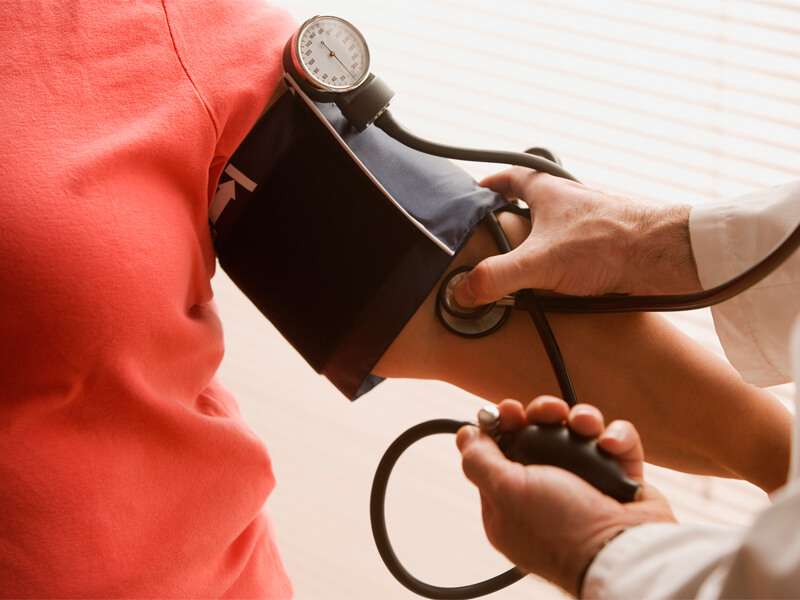
Hypertension, or high blood pressure, is a common condition that affects many individuals. It occurs when the force of the blood against the artery walls is consistently too high, which can lead to serious health issues if left untreated.
- Symptoms often include headaches, shortness of breath, and nosebleeds, but many people may not experience any noticeable signs.
- The condition is usually diagnosed through routine blood pressure measurements during medical check-ups.
- Treatment options may involve lifestyle changes such as a healthier diet and regular exercise, as well as medications that help lower blood pressure.
- Management typically requires regular monitoring and doctor visits to adjust treatment plans as needed.
- If hypertension is controlled effectively, patients can lead healthy lives with minimal risk of complications.
Understanding and managing hypertension is crucial for maintaining heart health and preventing further complications.