
Dr Fateh Singh
About Me
Dr Fateh Singh
General Physician
Biography
My Clinic
OPD Hours
| Tuesday | Morning | 10:00 AM | - | 02:00 PM |
| Evening | 06:00 PM | - | 09:00 PM | |
| Wednesday | Morning | 10:00 AM | - | 02:00 PM |
| Evening | 06:00 PM | - | 09:00 PM | |
| Thursday | Morning | 10:00 AM | - | 02:00 PM |
| Evening | 06:00 PM | - | 09:00 PM | |
| Friday | Morning | 10:00 AM | - | 02:00 PM |
| Evening | 06:00 PM | - | 09:00 PM | |
| Saturday | Morning | 10:00 AM | - | 02:00 PM |
| Evening | 06:00 PM | - | 09:00 PM | |
| Sunday | Morning | 10:00 AM | - | 02:00 PM |
| Evening | 06:00 PM | - | 09:00 PM | |
| Thursday | Morning | 10:00 AM | - | 02:00 PM |
| Evening | 06:00 PM | - | 09:00 PM |
Treatments
Specialised care and treatments offered
INFECTIOUS DISEASE SCREENING
Screening for infectious diseases is critical for public health management as it aids early detection and control of potential outbreaks. Many infectious diseases exhibit minimal initial symptoms but pose substantial risks if undiagnosed.
- Symptoms can range widely depending on the pathogen but may include fever , chills , fatigue , or localized pain areas .
- Diagnostic approaches typically involve specific laboratory tests tailored towards suspected infections based on patients' clinical presentation during appointment visits .
- Treatment may vary significantly – encompassing antibiotic courses , antiviral medications , vaccination programs according to disease type identified through screening efforts .
- Proactive screening significantly curtails transmission rates among populations while promoting overall awareness regarding prevalent infectious threats actively encountered today .
Participating regularly ensures sustainable community health outcomes enhancing both personal awareness safety levels amid ongoing discussions surrounding infectious agents influencing habits around self-care practices moving forward each season .
ANEMIA EVALUATION

Anemia refers to a deficiency in red blood cells or hemoglobin which impairs oxygen transport within the body. Evaluating anemia is essential since it can indicate underlying health concerns that require attention promptly.
- The most common symptoms include fatigue, weakness, pale skin, and shortness of breath during exertion—though they often develop gradually over time.
- A complete blood count (CBC) along with specific iron studies usually helps diagnose anemia type accurately during examinations by assessing hemoglobin concentration and red cell indices
- Treatment varies from dietary supplementation with iron-rich foods or oral supplements to more advanced interventions like transfusions based on severity level noted in lab results
An early evaluation can lead you toward effective management strategies that enhance energy levels while addressing any root causes contributing to anemia's onset over time.
THYROID FUNCTION TESTS
The thyroid gland plays a crucial role in regulating metabolism and hormonal balance in the body. Thyroid function tests assess how well this gland operates by measuring hormone levels in the bloodstream.
- Common symptoms of thyroid dysfunction include weight fluctuations, fatigue, changes in skin/hair texture, and mood disturbances.
- A physician typically orders blood tests to measure levels of TSH (Thyroid Stimulating Hormone) along with T3 and T4 hormones for accurate diagnosis.
- Treatment options may vary from medication adjustments to lifestyle changes aimed at restoring hormonal balance depending on whether it’s overactive or underactive thyroid function.
- Catching thyroid issues early through screening allows for timely intervention preventing further complications related to metabolic disorders or cardiovascular risks associated with imbalances.
An understanding of your thyroid health equips you with vital knowledge for making informed decisions regarding your overall well-being.
CHOLESTEROL TESTING
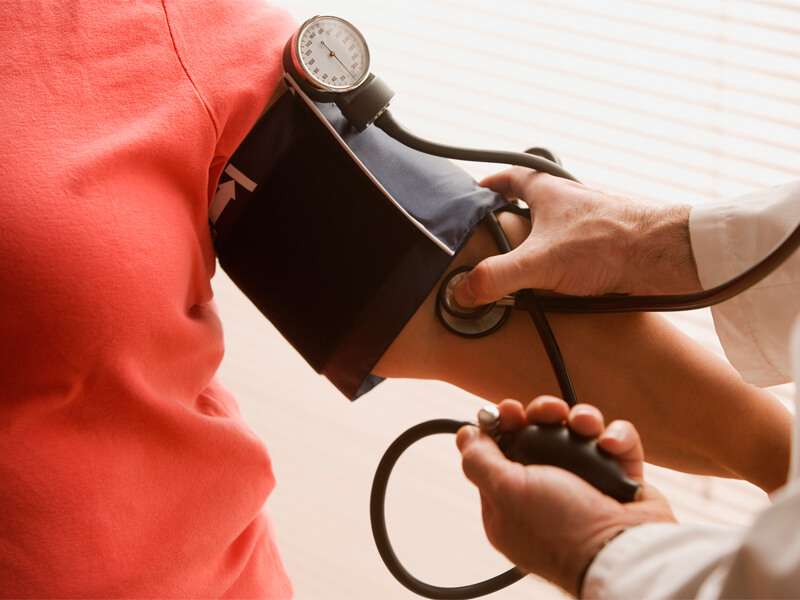
Regular cholesterol testing is vital in assessing heart health and identifying risks associated with cardiovascular disease. Understanding cholesterol levels helps individuals take proactive steps toward maintaining optimal heart function.
- The most common signs of high cholesterol are none—it's frequently silent until significant damage occurs.
- A blood test, also known as a lipid panel or lipid profile, measures levels of LDL (bad cholesterol), HDL (good cholesterol), and triglycerides in the bloodstream.
- If high cholesterol is detected, treatment options may include lifestyle changes such as diet modification and exercise alongside possible medications like statins.
- A regular screening schedule is key for those with risk factors such as obesity or family history of heart disease to mitigate future cardiovascular issues.
By staying informed about your cholesterol levels through consistent testing, you can take charge of your heart health effectively.
DIABETES SCREENING

Diabetes screening is essential for early detection of diabetes mellitus, a chronic condition that affects how the body metabolizes glucose. Early diagnosis can help in managing the disease effectively and preventing long-term health issues.
HYPERTENSION MANAGEMENT
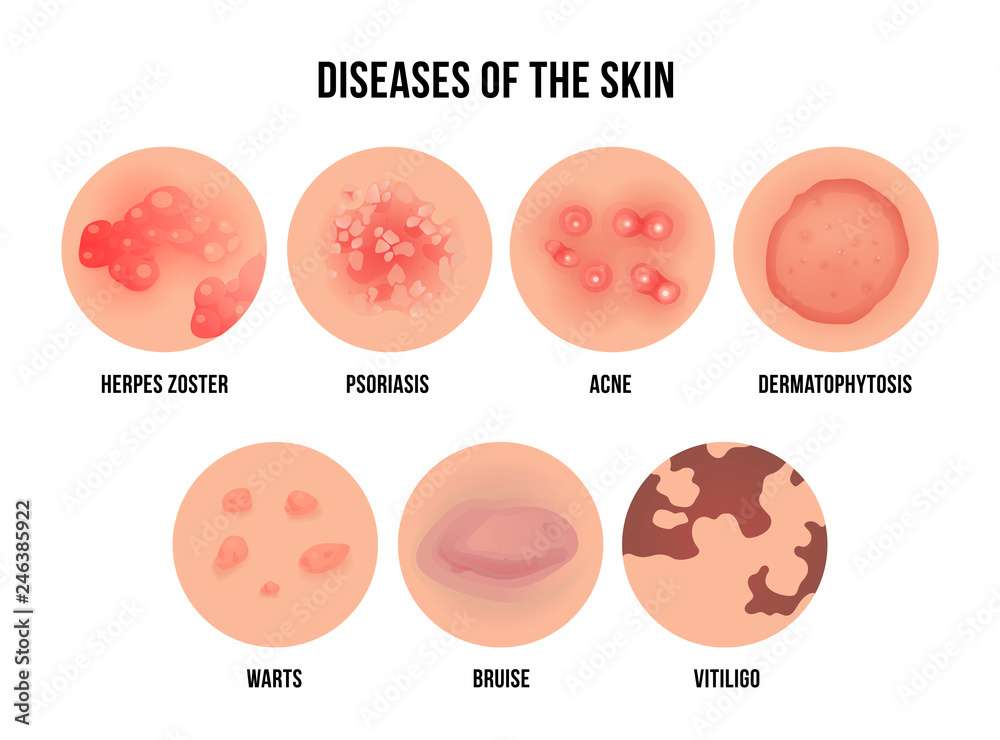
Hypertension, commonly referred to as high blood pressure, is a significant health concern affecting millions globally. It often progresses silently without noticeable symptoms and can lead to serious complications if left untreated.
- Symptoms are frequently absent; however, severe cases may cause headaches, dizziness, or nosebleeds.
- This condition can be diagnosed through regular blood pressure measurements using a sphygmomanometer during routine check-ups.
- Treatment typically involves lifestyle modifications such as dietary changes, increased physical activity, and medications like diuretics or ACE inhibitors.
- Managing hypertension is crucial to prevent complications like heart disease and stroke; regular monitoring is advised.
- Patients should expect to have follow-up appointments for periodic blood pressure checks and adjustments to treatment plans as necessary.
With appropriate management strategies, living with hypertension can be effectively controlled, allowing individuals to enjoy a healthy life.